Shoe Insoles
Supportive, cushioning shoe insoles for foot pain relief, arch support, and posture—available as full-length, metatarsal, heel, and custom-fit inserts. This Health & Wellness category indexes 951 products (avg rating 4.35) with mid-range to premium pricing (avg ~(price varies)) and notable brands like PowerStep
Top Products

PowerStep Original Insoles with Neutral Arch Support
PowerStep
Mid-Range
PowerStep Original Insoles with neutral arch support
PowerStep
Mid-Range
PowerStep Original Insoles for neutral arch support
PowerStep
Mid-Range
PowerStep Original Insoles - Neutral Arch Support, Moderate Cushioning
PowerStep
Mid-Range
PowerStep Pinnacle Maxx orthotic insoles
Powerstep
Mid-Range
PowerStep Original Insoles - Arch Support & Plantar Fasciitis
PowerStep
Mid-Range
PowerStep Pinnacle Maxx Orthotic Insoles
Powerstep
Mid-Range
Powerstep Pinnacle Maxx orthotic insoles
Powerstep
Mid-Range
Pinnacle Maxx Orthotic Insoles for stability and comfort
Powerstep
Mid-Range
PowerStep Pinnacle Maxx Orthotic Insoles
Powerstep
Mid-Range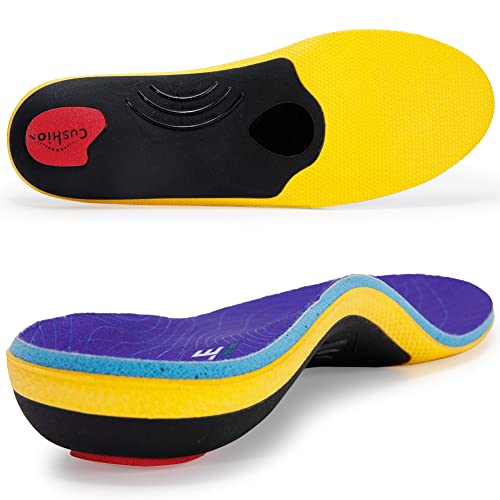
VALSOLE Heavy Duty Support Orthotics for foot pain relief
VALSOLE
Budget
PowerStep Pinnacle insoles for plantar fasciitis relief
PowerStep
Mid-Range
PowerStep Original Insoles with Arch Support
PowerStep
Mid-Range
PowerStep Original Insoles for arch pain relief
PowerStep
Mid-Range
VALSOLE Heavy Duty Support Orthotics for 220+ lbs
VALSOLE
Budget
PowerStep Pinnacle Insoles for plantar fasciitis relief
PowerStep
Mid-Range
PowerStep Pinnacle insoles for plantar fasciitis relief
PowerStep
Mid-Range
PowerStep Pinnacle insoles for plantar fasciitis relief
PowerStep
Mid-Range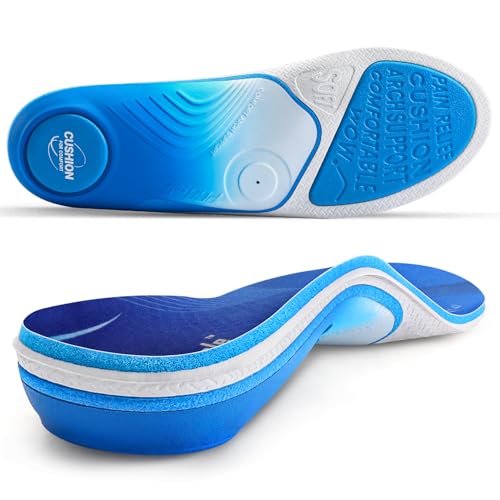
Orthotic insoles for plantar fasciitis relief with arch support
PCSsole
Mid-Range
PCSsole orthotic insoles for plantar fasciitis relief with high arch support
PCSsole
Mid-Range
Orthotic insoles for plantar fasciitis relief with high arch support
PCSsole
Mid-Range
Orthotic insoles for plantar fasciitis relief with high arch support
PCSsole
Mid-Range
VALSOLE heavy duty support insoles
VALSOLE
Mid-Range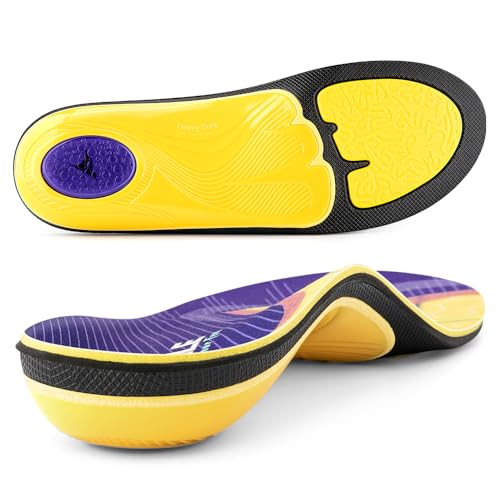
VALSOLE Heavy Duty Orthotics with high arch support
VALSOLE
Mid-RangeRoundups
Frequently Asked Questions
How do I choose the right insole for my foot type and activity?
Match insoles to your arch type (low, medium, high) and primary activity: cushioning for running or standing all day, firm support or orthotic-style for pronation and plantar fasciitis, and thin, low-profile insoles for dress shoes. Measure arch height with a wet test or consult a podiatrist for persistent issues
What materials and features should I look for based on comfort and durability?
Common materials include foam for cushioning, EVA for balanced support and durability, gel for shock absorption, and carbon or plastic shells for structured arch support; look for breathable top layers and removable/heatable options if you need custom trimming or orthotic adjustments
How much can I expect to spend, and are pricier insoles worth it?
Insoles typically range from budget options under $20 to specialized orthotic-style inserts over $100, with many well-reviewed mainstream choices around $30–$70; higher-cost models often offer more advanced materials, longer durability, or clinical design but value depends on your needs and how often you use them
How do I know if an insole will fit my shoes and how do I trim them?
Most insoles come in size ranges and include trim lines matching shoe sizes; remove your shoe’s existing insole to compare shapes, trim carefully along the recommended guide with scissors, and start slightly larger—test fit and trim more if needed until the insole sits flush without bunching
Can insoles help foot conditions like plantar fasciitis or overpronation?
Yes, structured insoles or orthotic-style inserts that provide arch support and heel cushioning can reduce strain associated with plantar fasciitis and help control overpronation, but for chronic or severe conditions consult a healthcare professional for personalized treatment
How long do insoles last and how should I care for them?
Longevity varies by material and use—foam insoles may wear out in 3–6 months with daily use, while higher-quality EVA or molded orthotics can last 12–24 months; air out after use, hand-wash with mild soap when needed, and replace when support or cushioning noticeably decreases
Are custom orthotic insoles necessary or are over-the-counter options sufficient?
Over-the-counter insoles often provide adequate relief for common issues like mild pronation, general cushioning, or comfort improvements; custom orthotics, prescribed by a professional, are recommended for complex biomechanical problems, severe pain, or when OTC options fail to provide relief