Shoulder Supports & Immobilizers
This category includes shoulder braces, slings, immobilizers and compression supports for injury recovery, post-op care, and joint stabilization. About 29 products span budget to mid-range prices (average ~(price varies)) and feature brands such as FIGHTECH. Average customer rating is 4.13 across the assortment
Top Products

Arctic Flex Shoulder Ice Pack Brace
Arctic Flex
Budget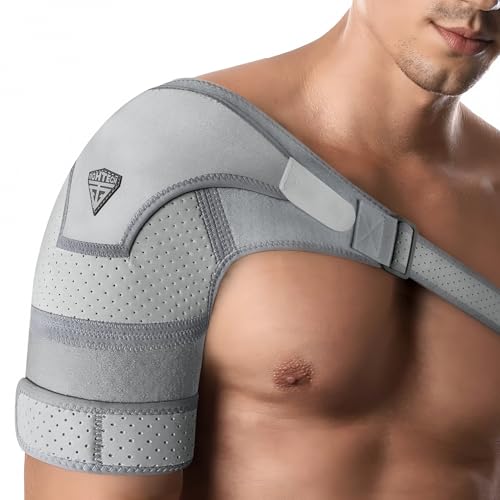
FIGHTECH Shoulder Brace for rotator cuff – large/x-large, gray
FIGHTECH
Budget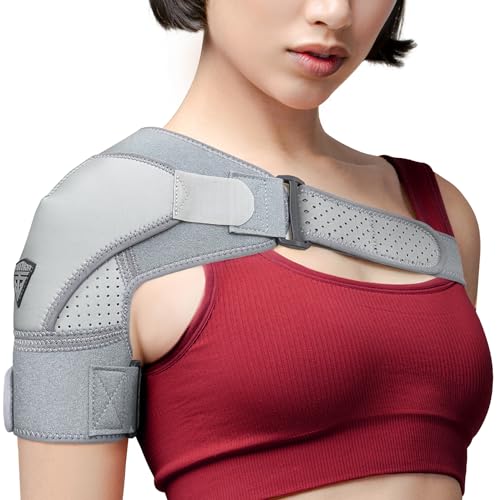
FIGHTECH Shoulder Brace for Torn Rotator Cuff
FIGHTECH
Budget
FIGHTECH Shoulder Brace for compression support
FIGHTECH
Mid-Range
Shoulder brace support & injury prevention (pink, L-XL)
FIGHTECH
Mid-Range
FIGHTECH Shoulder Brace for rotator cuff (Nude) Large/X-Large
FIGHTECH
Mid-Range
FIGHTECH Shoulder Brace for rotator cuff support (2 sizes)
FIGHTECH
Mid-Range
FIGHTECH Shoulder Brace for rotator cuff (Copper Black, L/XL)
FIGHTECH
Mid-Range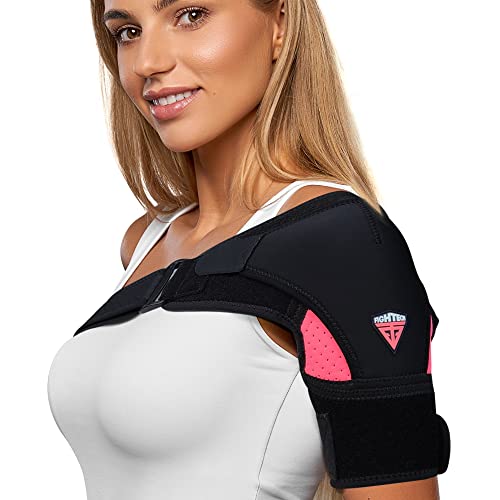
Shoulder brace with adjustable compression strap
FIGHTECH
Mid-Range
Wonder Care Shoulder Immobilizer Arm Sling (Left/Right) 58-62"
Wonder Care
Budget
POAGL Shoulder Brace for Left/Right Arm
POAGL
Mid-Range
Polar Active Ice Targeted Shoulder Therapy Pad with Belts
Polar Products
Mid-Range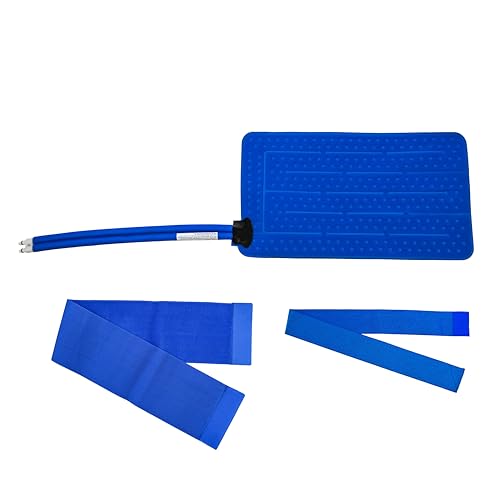
Polar Active Ice Hip Extended Coverage Therapy Pad
Polar Products
Mid-Range
Vive Shoulder Abduction Sling with Pocket
Vive
Mid-Range
Polar Active Ice Shoulder & Upper Arm Therapy Pad
Polar Products
Mid-Range
POAGL Shoulder Brace for Men (Left/Right) – Small, Black
POAGL
Mid-Range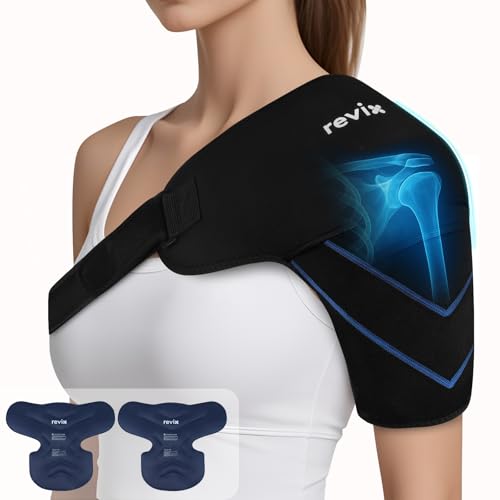
REVIX shoulder ice pack wrap with 2 gel packs and brace
REVIX
Mid-Range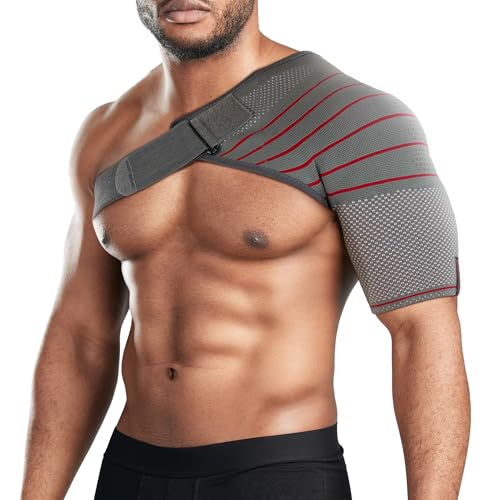
ORTONYX shoulder stability brace sleeve
ORTONYX
Budget
POAGL Shoulder Brace for Left/Right Arm
POAGL
Mid-Range
POAGL Shoulder Brace for Men (Left/Right) – Large, Black
POAGL
Mid-Range
Cordless heated shoulder wrap massager
YUANBO
Mid-Range
REVIX Shoulder Ice Pack Wrap with 2 gel packs and shoulder brace
REVIX
Mid-Range
Ortonyx Shoulder Stability Brace – Rotator Cuff Support
ORTONYX
Budget
Shock Doctor shoulder brace for rotator cuff support
Shock Doctor
PremiumRoundups
- Best Shoulder Supports & Immobilizers for Rotator Cuff Support (2026)
- Best Shoulder Supports & Immobilizers for Rotator Cuff Recovery (2026)
- Best Shoulder Supports & Immobilizers Under $200 (2026)
- Best Shoulder Supports & Immobilizers Under $100 (2026)
- Best Shoulder Supports & Immobilizers Under $50 (2026)
- Best Shoulder Supports & Immobilizers (2026 Guide)
Frequently Asked Questions
How do I choose the right type of shoulder support or immobilizer for my injury?
Match the device to your diagnosis and activity level: soft braces and sleeves provide compression and mild support for strains or mild instability; slings and immobilizers restrict motion after dislocation or surgery; and rigid braces with straps are for greater stabilization. Follow your clinician’s recommendation and consider adjustable fit, range-of-motion control, and whether you need bilateral or removable options for hygiene
What size and fit considerations are most important when buying a shoulder support?
Measure chest circumference and, if provided, arm length according to the manufacturer’s sizing chart; look for adjustable straps and closures to fine-tune compression and immobilization. A proper fit is snug but not painful, should not cut off circulation or cause numbness, and must allow prescribed shoulder positions (e.g., neutral or abducted) without slipping
How much do shoulder supports and immobilizers typically cost and are there budget options?
Prices vary by design and materials; typical consumer options cover budget soft supports under $50, midrange immobilizers and braces around $50–$100, and higher-end or specialized devices above that. Consider the device’s intended use and durability when comparing price ranges
What features should I look for if I need adjustable immobilization or rehab progression?
Seek models with removable or adjustable stays, multi-point straps, and modular components that allow you to change degrees of motion restriction. Look for clear range-of-motion markings or detents and compatibility with physical-therapy protocols so you can gradually increase mobility per clinician guidance
How do I care for and clean a shoulder support or immobilizer?
Follow the manufacturer’s instructions, but generally detach removable pads or stays and hand-wash straps and fabric in mild detergent, then air-dry flat away from direct heat. Regularly inspect fasteners and padding for wear, and replace the support if structural elements lose integrity
Can I wear a shoulder support while sleeping or during exercise?
Some slings and soft supports are designed for nighttime or low-activity wear, while rigid immobilizers are typically prescribed for rest and protection rather than vigorous exercise. Confirm with your clinician which activities are safe and choose a breathable, properly fitted device for extended wear to minimize skin irritation
What materials and construction differences affect comfort and durability?
Breathable, moisture-wicking fabrics and padded straps improve comfort for long wear; reinforced straps, molded splints, and hook-and-loop closures increase durability and stability. Consider hypoallergenic liners if you have sensitive skin and removable washable liners for easier maintenance