Soy Sauce
A collection of soy sauces and related condiments focused on health-conscious formulations, including reduced-sodium, organic, and specialty fermented options. Nineteen products are indexed with an average rating of 4.55, spanning budget to premium price tiers and featuring brands such as Kikkoman and MOMOFUKU
Top Products

Otafuku Sushi Eel Sauce for Sushi Rolls
Otafuku
Mid-Range
Kikkoman Ponzu Soy Sauce, Citrus, 64 Oz (2-pack) Food Service
Kikkoman
Mid-Range
Kikkoman Lime Ponzu Citrus Dressing & Sauce (64 fl oz, pack of 2)
Kikkoman
Budget
Kikkoman Unagi Sushi Sauce, 11.8 oz, pack of 9
Kikkoman
Budget
Kikkoman Lime Ponzu Citrus Dressing & Sauce, 64 Fl Oz (Pack of 3)
Kikkoman
Mid-Range
Yamaroku Shoyu Pure Artisan Dark Sweet Soy Sauce 18oz 2-Pack
Yamaroku
Premium
Q-Rapha Doenjang & Gochujang 2-pack
Q-Rapha
Budget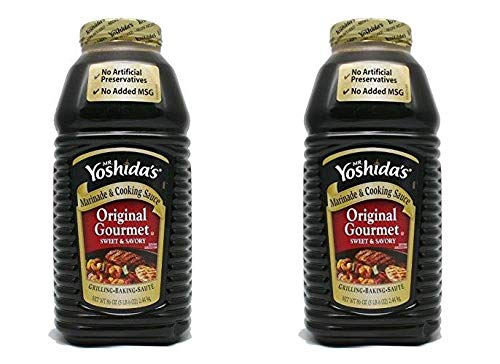
Mr. Yoshida's Original Gourmet Sauce 1 Pack (86 Ounce) Pack of 2
Accpo
Mid-Range
Pacific Island Naturally Fermented Soy Sauce – Low-Sodium, Gluten-Free
PACIFIC ISLAND AMERICAN SOY SAUCE GUAM, USA
Mid-Range
Momofuku Umami Essentials Starter Pack
MOMOFUKU
Mid-Range
Daisho Sukiyaki Warishita Hotpot Sauce - 21.16 fl oz
DAISHO
Mid-Range
Momofuku Original Starter Pack – Chili Crunch, Ramen, Soy Sauce & Salt
MOMOFUKU
Mid-Range
Q-Rapha Premium Korean Ganjang Soy Sauce, gluten-free
Q-Rapha
Mid-Range
Lay Choy Soy Sauce (6 Pack), 10 oz bottles
NOSH PACK
Budget
Q-Rapha Premium Korean Ganjang Soy Sauce (gluten-free, non-GMO, unpasteurized)
Q-Rapha
Mid-Range
Pacific Island Naturally Fermented Soy Sauce, Low-Sodium & Gluten-Free
PACIFIC ISLAND AMERICAN SOY SAUCE GUAM, USA
Premium
Spicy Momofuku Starter Pack: Chili Crunch, Soy Ramen, Soy Sauce & Salt
MOMOFUKU
Mid-Range
Q-Rapha Premium Korean Ganjang Soy Sauce
Q-Rapha
Premium
Pacific Island Naturally Fermented Soy Sauce, Low-Sodium
PACIFIC ISLAND AMERICAN SOY SAUCE GUAM, USA
PremiumRoundups
Frequently Asked Questions
How do I choose the right type of soy sauce for health-focused cooking?
Pick based on sodium content, fermentation method, and ingredient list: naturally brewed or traditionally fermented soy sauce typically has fewer additives; low-sodium or reduced-salt versions cut sodium by about 25–50%; look for minimal ingredients (soybeans, wheat, water, salt) if you want fewer additives
What should I look for on the label regarding allergens and dietary restrictions?
Check for wheat and soy as common allergens; gluten-free options are labeled and usually use tamari (soy-only) or specially processed soy sauces; also review sodium levels and whether any flavor enhancers or preservatives are added if you have dietary sensitivities
Are there healthier alternatives to regular soy sauce and how do they compare?
Alternatives include tamari (usually wheat-free), low-sodium soy sauce, coconut aminos (soy-free, lower in sodium but different flavor), and reduced-sodium blends; each varies in taste and sodium—tamari preserves more soy flavor with less wheat, while coconut aminos are milder and often lower in sodium
How much does soy sauce typically cost and what affects the price?
Price varies by brand, production method, and bottle size; traditionally fermented and small-batch brands often cost more while mass-produced or blended varieties are cheaper, with average prices in this category leaning toward mid- to high-range due to specialty and imported options
How should I store soy sauce to maintain flavor and shelf life?
Keep unopened bottles in a cool, dark place; after opening, store tightly capped in the refrigerator to preserve flavor and reduce oxidation—most soy sauces remain safe for months but flavor can gradually change over time
Will using low-sodium soy sauce significantly change the taste of my dishes?
Low-sodium soy sauce reduces saltiness but retains many umami and fermented notes; you may need to adjust seasoning or use slightly more sauce to achieve the same salty profile, and some brands also alter sweetness or acidity to balance flavor
What quantity or bottle size should I buy for home use versus occasional cooking?
For regular home cooking, medium bottles (250–500 ml) balance freshness and value; for occasional use, smaller bottles help avoid long-term flavor degradation, while bulk or larger bottles suit frequent cooks but require refrigeration after opening to maintain quality