Sports Nutrition Electrolyte Replacement Drinks
Sports Nutrition Electrolyte Replacement Drinks includes powders, ready-to-drink mixes, and tablets formulated to restore electrolytes and support hydration during exercise or illness. The category spans budget to mid‑range options (459 products, average rating 4.42) with brands like DripDrop and Liquid I.V. Average price is about (price varies)
Top Products

SaltStick Electrolyte FastChews - 120 Mixed Berry Chewable Tablets
SaltStick
Budget
SaltStick Electrolyte FastChews - Watermelon 120 ct
SaltStick
Budget
LMNT Zero Sugar Grapefruit Electrolyte Drink Mix
Drink LMNT
Mid-Range
SaltStick Electrolyte FastChews Lemon Lime (120 ct)
SaltStick
Budget
DripDrop Hydration Packets Berry - Electrolyte Powder
DripDrop
Budget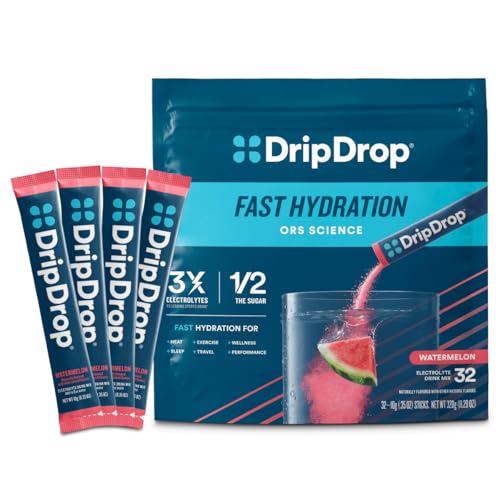
DripDrop Hydration Packets – Watermelon Electrolyte Powder
DripDrop
Budget
DripDrop Hydration Packets Lemon - Electrolyte Powder
DripDrop
Budget
DripDrop Hydration Packets - Juicy Variety Pack
DripDrop
Budget
Pedialyte AdvancedCare Plus Electrolyte Powder (Berry Frost & Strawberry Freeze) 24 packets
Pedialyte
Mid-Range
KEY NUTRIENTS Multivitamin Electrolytes Powder Fruity Acai Berry
KEY NUTRIENTS
Mid-Range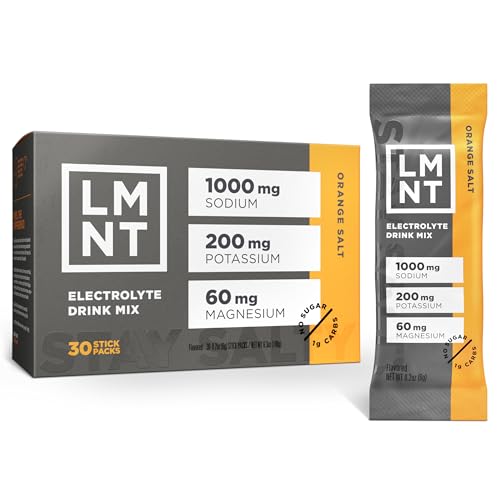
LMNT Zero Sugar Electrolytes Orange Salt Drink Mix
Drink LMNT
Mid-Range
DripDrop Hydration Packets Lemon Lime - Electrolyte Powder
DripDrop
Budget
DripDrop Hydration Packets - Bold Variety Pack
DripDrop
Budget
DripDrop Hydration Packets - Fruit Punch - 32 sticks
DripDrop
Budget
DripDrop Tropical Hydration Packets - 32 sticks
DripDrop
Budget
Ultima Replenisher Daily Electrolyte Powder Cherry Pomegranate
Ultima Replenisher
Mid-Range
Liquid I.V. Hydration Multiplier Watermelon, 3 Pack
Liquid I.V.
Mid-Range
Liquid I.V. Hydration Multiplier Strawberry Lemonade - 3 Pack
Liquid I.V.
Mid-Range
LMNT Zero Sugar Mango Chili Salt Electrolyte Drink Mix
Drink LMNT
Mid-Range
LMNT Zero Sugar Electrolytes Watermelon Salt Drink Mix
Drink LMNT
Mid-Range
Liquid I.V. Hydration Multiplier Acai Berry 3 Pack
Liquid I.V.
Mid-Range
Liquid I.V. Hydration Multiplier - Lemon Lime (3 Pack, 48 Servings)
Liquid I.V.
Mid-Range
Liquid I.V. Hydration Multiplier – Passion Fruit
Liquid I.V.
Mid-Range
GoodSense Electrolyte Oral Solution, Unflavored (6-pack)
GoodSense
BudgetRoundups
- Best Sports Nutrition Electrolyte Replacement Drinks for Outdoor Activities (2026)
- Best Sports Nutrition Electrolyte Replacement Drinks for Post-Workout Hydration (2026)
- Best Sports Nutrition Electrolyte Replacement Drinks Under $200 (2026)
- Best Sports Nutrition Electrolyte Replacement Drinks Under $100 (2026)
- Best Sports Nutrition Electrolyte Replacement Drinks Under $50 (2026)
- Best Sports Nutrition Electrolyte Replacement Drinks (2026 Guide)
Frequently Asked Questions
How do I choose the right electrolyte replacement drink for my activity?
Pick a drink based on sweat rate, exercise duration, and intensity: light activity or short workouts often only need water or low-sodium formulas, while prolonged or intense exercise benefits from higher-sodium and carbohydrate-containing options to replace electrolytes and provide energy
What key ingredients should I look for on the label?
Look for sodium and potassium as primary electrolytes, chloride and magnesium when possible, and decide if you want added carbohydrates (glucose, sucrose, maltodextrin) for energy; check sugar content, nonnutritive sweeteners, and any allergens or artificial colors
Are powdered mixes or ready-to-drink bottles better?
Powdered mixes are usually more cost-effective and portable for customizing concentration, while ready-to-drink bottles are convenient for on-the-go use; both can provide equivalent electrolyte profiles depending on formulation
How much should I drink before, during, and after exercise?
General guidance: 400–600 mL (13–20 oz) 2–3 hours before exercise, 150–300 mL (5–10 oz) every 15–20 minutes during exercise depending on sweat rate, and enough post-exercise to replace fluid losses—monitor body weight and urine color for individualized needs
Do electrolyte drinks help with hangovers or illness-related dehydration?
Electrolyte drinks can aid rehydration by providing sodium and potassium lost during vomiting, diarrhea, or alcohol consumption, but they do not treat underlying illness; choose low-sugar, oral rehydration-style formulas when recovering from illness
Are there any safety concerns or populations that should avoid certain formulas?
People with kidney disease, uncontrolled hypertension, or those on sodium-restricted diets should consult a clinician before using high-sodium formulas; also be cautious with high-sugar beverages if you have diabetes
How do I compare cost-effectiveness across products?
Compare cost per serving and servings per container, and consider concentration (servings reconstituted from powder versus single-use bottles); powders often lower per-serving cost but factor in portability and prep time