Sports Nutrition Pea Protein Powders
Plant-based pea protein powders and blends formulated for athletes, recovery, and general protein supplementation, ranging from single-ingredient isolates to flavored mixes. The category includes 113 indexed products with an average rating of 4.22 and brands like Truvani among mid-range to premium price options
Top Products
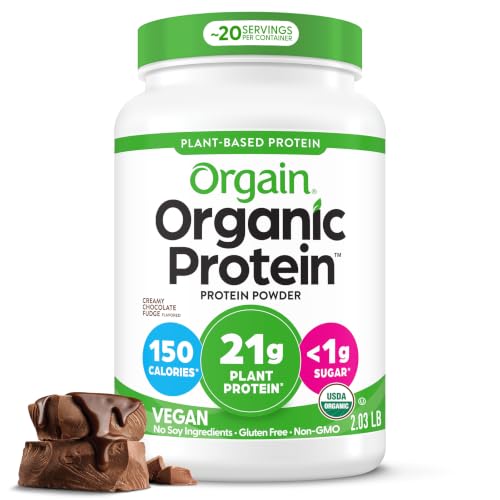
Orgain Organic Vegan Protein Powder, Creamy Chocolate Fudge
Orgain
Budget
Vega Protein + Greens Powder, Berry, 20g Plant-Based Protein
Vega
Budget
Vega Protein + Greens, 20g Plant Protein, Creamy Vanilla
Vega
Budget
Vega Protein + Supergreens Chocolate 20g Plant-Based Protein 25 Servings
Vega
Mid-Range
Falcon Vegan Protein Powder Organic (Chocolate)
BIRDMAN
Budget
KOS Plant Based Protein Powder - Blueberry Muffin
KOS
Budget
KOS Plant Based Protein Powder, Chocolate (Organic) – 20g protein, vegan
KOS
Mid-Range
KOS Organic Plant Based Protein Powder – Chocolate Peanut Butter
KOS
Budget
Orgain Organic Vegan Protein Powder + Greens, Creamy Chocolate Fudge
Orgain
Mid-Range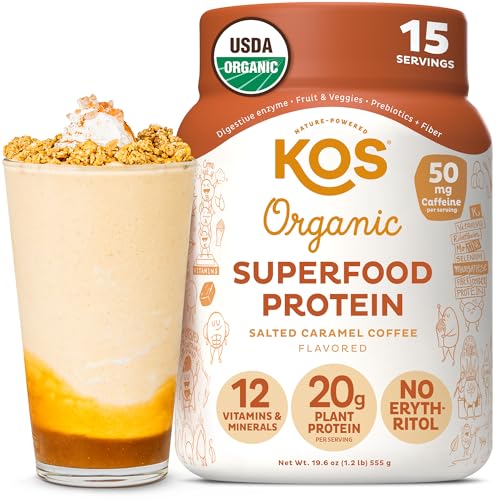
KOS vegan protein powder - salted caramel coffee flavor
KOS
Mid-Range
Orgain Organic Vegan Protein Powder + Greens, Vanilla Bean
Orgain
Mid-Range
Truvani vegan pea protein powder vanilla
Truvani
Mid-Range
EarthChimp Organic Vegan Protein Powder with Probiotics
EarthChimp
Mid-Range
Garden of Life Vegan Protein Powder (Chocolate) with Probiotics & Digestive Enzymes
Garden of Life
Budget
Vega Protein Made Simple Plant-Based Pea Protein, Chocolate
Vega
Mid-Range
Sunwarrior Classic Plus protein powder (vegan, chocolate) 30 servings
Sunwarrior
Mid-Range
Falcon vegan protein powder (vanilla) – organic pea protein, sugar free
BIRDMAN
Mid-Range
TB12 Plant Based Protein Powder – Vanilla, 24g Pea Protein, 12-pack
TB12
Budget
KOS vegan protein powder chocolate
KOS
Mid-Range
Truvani Vegan Pea Protein Powder Banana Cinnamon
Truvani
Mid-Range
Garden of Life Organic Vegan Protein Powder with Probiotics
Garden of Life
Mid-Range
Truvani Protein + Energy Drink Mix Chocolate Mocha
Truvani
Mid-Range
Falcon Vegan Protein Powder Organic Chocolate (Pea Protein) - 37 Servings
BIRDMAN
Mid-Range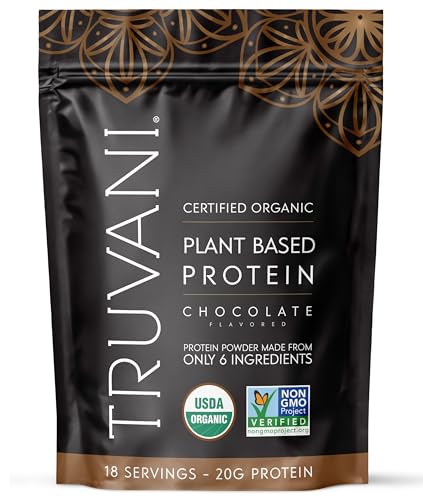
Truvani vegan pea protein powder - chocolate
Truvani
Mid-RangeRoundups
- Best Sports Nutrition Pea Protein Powders for On-The-Go Nutrition (2026)
- Best Sports Nutrition Pea Protein Powders for Meal Replacement Option (2026)
- Best Sports Nutrition Pea Protein Powders for Post-Workout Recovery (2026)
- Best Sports Nutrition Pea Protein Powders for Post-Workout Shake (2026)
- Best Sports Nutrition Pea Protein Powders Under $200 (2026)
- Best Sports Nutrition Pea Protein Powders Under $100 (2026)
- Best Sports Nutrition Pea Protein Powders Under $50 (2026)
- Best Sports Nutrition Pea Protein Powders (2026 Guide)
Frequently Asked Questions
How do I choose the right pea protein powder for sports and recovery?
Look for a powder with at least 20 grams of protein per serving, a complete amino acid profile or complemented with other plant proteins for leucine content, minimal added sugars, and clear third-party testing or ingredient transparency; match serving size and flavor options to your taste and mixing needs
Are pea protein powders effective for building muscle compared with whey?
Pea protein can support muscle growth when total daily protein and leucine intake are adequate; it may require slightly higher servings than whey to match leucine, but studies show it can be comparable when consumed in sufficient amounts as part of a resistance-training program
What should I look for on the label regarding purity and allergens?
Check for allergen statements, soy- or dairy-free claims if needed, simple ingredient lists (pea protein isolate/concentrate), absence of unnecessary fillers or artificial sweeteners if you prefer, and notes on cross-contamination or facility handling for common allergens
How much should I expect to spend, and are higher prices always better?
Pea protein powders vary widely; many fall into a mid-range price point with an average around $50, but budget options under $30 and premium formulations above that exist; price alone doesn’t guarantee quality—compare protein per serving, ingredient transparency, and third-party testing
Can I use pea protein if I'm on a restricted diet (vegan, gluten-free, low-FODMAP)?
Pea protein is naturally vegan and often gluten-free, but verify the product label for certified gluten-free status and low-FODMAP claims; some individuals sensitive to legumes may experience digestive discomfort and should start with smaller servings
How should I mix and store pea protein powder for best results?
Mix with water, plant milk, or into smoothies using a shaker or blender; store in a cool, dry place with the lid tightly sealed to prevent moisture and clumping, and follow the manufacturer's recommended use-by date after opening
What performance-related claims should I trust and which should I be cautious about?
Trust verifiable facts on protein content, amino acid profile, and third-party testing; be cautious of broad claims like rapid fat loss or guaranteed performance enhancement without supporting clinical evidence and beware of vague terms such as 'superformula' without ingredient specifics