Sports Nutrition Protein Bars
This category covers protein bars formulated for sports, recovery, and on-the-go nutrition, including whey, plant-based, high-protein, and meal-replacement bars. It indexes 214 products averaging a 4.35 rating and mid-range pricing (about (price varies) average), with brands like NuGo and Fit Crunch among top sellers
Top Products

Pumpkin Pie Protein Bar - 20g Protein, 4g Net Carbs
Quest Nutrition LLC
Budget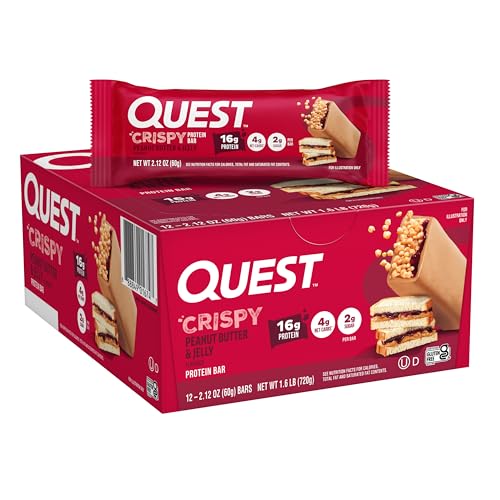
Quest Crispy PB&J Protein Bar, 16g Protein, Gluten Free
Quest Nutrition
Budget
Peppermint Bark Protein Bar - 21g Protein, 4g Net Carbs
Quest Nutrition LLC
Budget
FITCRUNCH Snack Size 6-Layer Bar, Mint Chocolate Chip
Fit Crunch
Mid-Range
FITCRUNCH Snack Size 6-Layer Protein Bars, Chocolate Chip Cookie Dough
Fit Crunch
Mid-Range
Barebells Protein Bars Variety Pack (12 bars) – 20g protein each
Barebells
Budget
Power Crunch Chocolate Mint Protein Wafer Bars (12 x 1.4 oz)
Power Crunch
Budget
FITCRUNCH Snack Size Protein Bars, 6-Layer Baked Bar (Strawberry Strudel)
Fit Crunch
Mid-Range
FITCRUNCH Lemon Cake 6-Layer Protein Bars (18 bars)
Fit Crunch
Mid-Range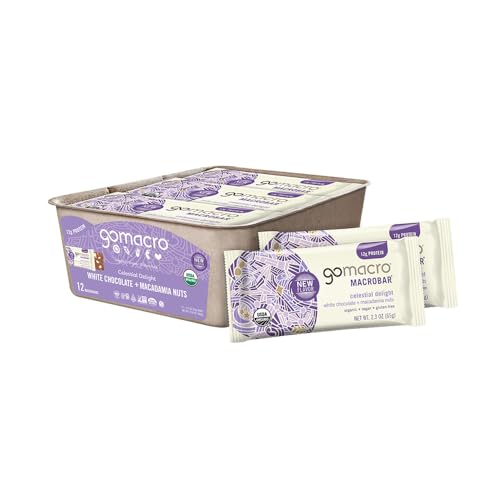
GoMacro MacroBar Organic Vegan Protein Bars: White Chocolate + Macadamia
GoMacro
Budget
PROBAR Meal Bar - Original Trail Mix (12 count)
Probar
Mid-Range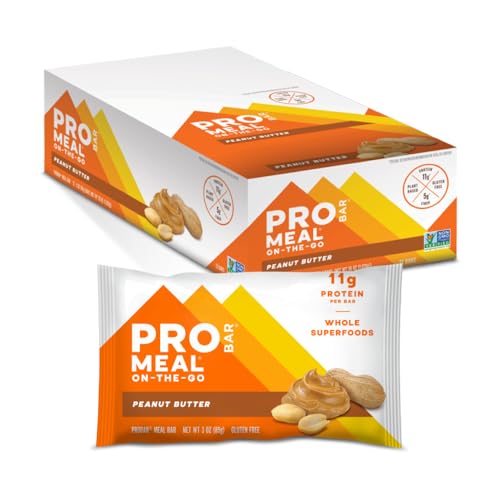
PROBAR Meal Bar - Peanut Butter, Non-GMO, gluten-free, plant-based
Probar
Mid-Range
PROBAR MEAL Bar - Superfruit Slam (12 Count)
Probar
Mid-Range
FITCRUNCH Cinnamon Twist 6-Layer Protein Bars (18 bars)
Fit Crunch
Mid-Range
Power Crunch Protein Wafer Bars Peanut Butter Creme, 1.4 oz each (12 count) (pack of 2)
Power Crunch
Mid-Range
PROBAR Meal Bar 12 Flavor Variety Pack (3 oz each) – Plant-based, gluten-free
Probar LLC
Mid-Range
FITCRUNCH 6-layer baked bar Apple Pie, 18 bars
Fit Crunch
Mid-Range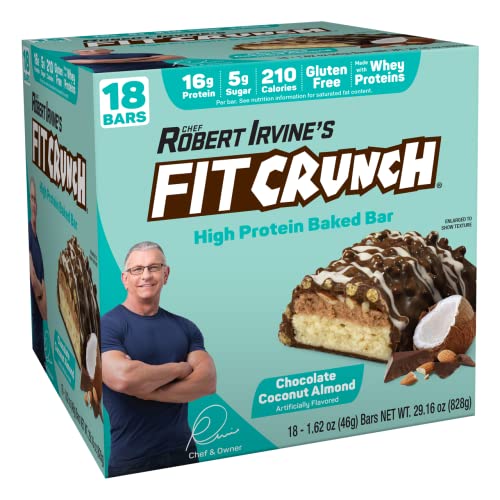
FITCRUNCH Snack Size Protein Bars, 6-Layer Baked Bar, Chocolate Coconut Almond
Fit Crunch
Mid-Range
PROBAR MEAL Bar - Chocolate Coconut, Non-GMO, gluten-free
Probar LLC
Mid-Range
Barebells Coconut Caramel Almond Protein Bars (12 bars)
Barebells
Mid-Range
PROBAR Meal Bar - Superfood Slam, gluten-free plant-based snack
Probar
Budget
PROBAR Meal Bar - Wholeberry Blast, gluten-free & plant-based
Probar
Mid-Range
NuGo Dark Chocolate Chip Protein Bar, 12g Vegan Protein, Gluten Free
NuGo
Mid-Range
MacroBar Organic Vegan Protein Bars - Salted Caramel + Chocolate Chips
GoMacro
Mid-RangeRoundups
- Best Sports Nutrition Protein Bars for On-The-Go Snack (2026)
- Best Sports Nutrition Protein Bars for Travel-Friendly Snack (2026)
- Best Sports Nutrition Protein Bars for Post-Workout Recovery (2026)
- Best Sports Nutrition Protein Bars for Post-Workout Snack (2026)
- Best Sports Nutrition Protein Bars Under $200 (2026)
- Best Sports Nutrition Protein Bars Under $100 (2026)
- Best Sports Nutrition Protein Bars Under $50 (2026)
- Best Sports Nutrition Protein Bars (2026 Guide)
Frequently Asked Questions
How do I choose the right protein bar for my fitness goals?
Match macro balance to your goal: choose higher-protein, lower-carb bars (15–30 g protein, <10–20 g carbs) for muscle recovery; higher-carb or mixed-macro bars for meal replacement or endurance energy. Also consider ingredient quality (whole-food proteins, minimal added sugars) and serving calories relative to whether the bar is a snack (~150–250 kcal) or meal substitute (~300–450 kcal)
What protein sources should I look for if I have dietary restrictions?
Look at the protein source label: whey or milk proteins for omnivores, soy or pea protein for plant-based diets, and egg- or nut-based proteins for other preferences; check allergen statements for dairy, soy, nuts, and gluten. Many brands offer clearly labeled vegan and allergen-free options
How can I evaluate sugar, sweeteners, and clean ingredients?
Check total and added sugars on the nutrition panel and ingredient list; many bars use sugar alcohols (erythritol, maltitol) or non-nutritive sweeteners (stevia, monk fruit) to reduce sugar. Prefer bars that list recognizable whole-food ingredients and limit long lists of artificial additives if you want cleaner formulations
How should I use and store protein bars for best quality?
Store unopened bars in a cool, dry place away from direct sunlight; follow the package best-by date. Once opened, consume within a day or two depending on ingredients; refrigerated bars or bars with fresh ingredients (e.g., nut butters, dairy) may require refrigeration after opening
What should I check on labels for sports performance and recovery?
Look for protein amount per serving (typically 10–30 g), presence of branched-chain amino acids (often inherent in dairy/animal proteins), carbohydrate content for glycogen replenishment if used post-endurance, and sodium if you need electrolyte replacement. Also note serving calories relative to workout intensity and timing
Do protein bars fit into weight-loss plans, and what should I watch for?
Protein bars can help satiety if they provide sufficient protein and fiber, but watch total calories, sugars, and liquid calories consumed alongside them. Use them as planned snacks or meal replacements within your daily calorie and macronutrient targets rather than assuming they are inherently low-calorie