Sports Nutrition Rice Protein Powders
Rice protein powders for sports nutrition: plant-based protein isolates and blends designed for muscle support, recovery, and allergen-friendly diets. This category includes 10 indexed products averaging a 4.18 rating and mid-range pricing (about $33–$85, avg ~(price varies)), with brands like Happy Viking and ALOHA represented
Top Products

ALOHA organic plant-based protein powder, chocolate
ALOHA
Budget
Happy Viking Cookies & Cream Plant Protein Powder
Happy Viking
Mid-Range
Brown Rice Protein Powder with Bcaa & Amino Acids
Sunwarrior
Mid-Range
Isopure Plant-Based Protein Powder Vanilla
Isopure
Mid-Range
NutriBiotic Rice Protein Plain, Organic, 3 lb
NutriBiotic
Mid-Range
Happy Viking Strawberry Protein + Superfoods Powder
Happy Viking
Mid-Range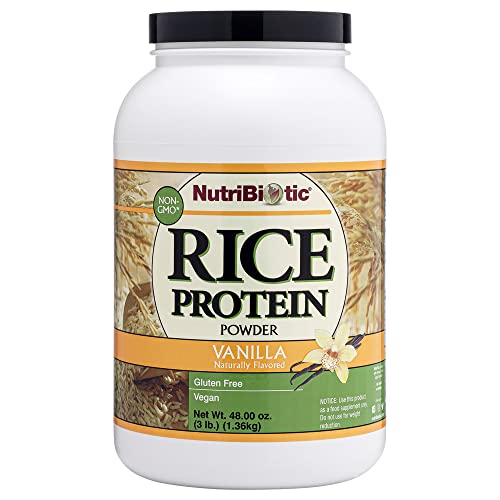
NutriBiotic Vanilla Rice Protein Powder
NutriBiotic
Mid-Range
Happy Viking Vanilla Plant Protein Powder
Happy Viking
Mid-Range
NutriBiotic Chocolate Rice Protein powder
NutriBiotic
Mid-Range
Naked Organic Brown Rice Protein Powder - 5Lb
NAKED
PremiumRoundups
- Best Sports Nutrition Rice Protein Powders for Meal Replacement Option (2026)
- Best Sports Nutrition Rice Protein Powders for Post-Workout Shake (2026)
- Best Sports Nutrition Rice Protein Powders for Post-Workout Recovery (2026)
- Best Sports Nutrition Rice Protein Powders Under $200 (2026)
- Best Sports Nutrition Rice Protein Powders Under $100 (2026)
- Best Sports Nutrition Rice Protein Powders Under $50 (2026)
- Best Sports Nutrition Rice Protein Powders (2026 Guide)
Frequently Asked Questions
How do I choose a rice protein powder for my goals (muscle gain, weight loss, or general protein boost)?
Choose by protein content per serving, amino acid profile, and calorie/carbohydrate count: look for higher protein grams and complete or complemented amino acid profiles for muscle gain, lower calories and carbs for weight loss, and moderate protein with added vitamins or blends for general use
Is rice protein as effective as whey or soy for supporting workouts and recovery?
Rice protein is a plant-based option that supplies a good amount of protein but is typically lower in certain essential amino acids (notably lysine) than whey; combining it with other plant proteins or lysine-containing foods can improve its effectiveness for muscle repair
What should I check on the label for allergens, additives, and purity?
Check for allergen statements (gluten, soy, dairy), presence of artificial sweeteners or flavors, third-party testing or certifications (e.g., NSF or USP), and whether the ingredient list is mainly rice protein isolate/concentrate versus long proprietary blends
How much rice protein powder should I take daily and when is the best time to use it?
Typical servings provide 15–30 g of protein; consume a serving post-workout to support recovery or spread servings across the day to meet total protein targets, aiming for 20–40 g of protein per meal depending on your goals and body weight
Are there taste and mixability differences I should expect between brands?
Yes—rice protein powders vary in texture, sweetness, and solubility; flavored formulas and added emulsifiers mix more smoothly and mask graininess, while unflavored isolates may be chalkier and blend better in smoothies than in plain water
Is rice protein a good choice for people with dietary restrictions?
Rice protein is naturally dairy-free and typically vegan and hypoallergenic, making it suitable for many with lactose intolerance or dairy allergies, but always verify the label for cross-contamination warnings if you have severe allergies
What price range should I expect and does higher price always mean better quality?
Rice protein powders commonly fall within a moderate price range; higher price can reflect organic sourcing, higher protein concentration, flavoring, or third-party testing, but compare nutrition facts and certifications rather than price alone