Stir-Fry Sauces
Stir-fry sauces for health-conscious cooks, including lower-sodium, gluten-free, and plant-based options for seasoning quick vegetable and protein stir-fries. The niche indexes 11 products (avg rating 4.42) from brands like Lee Kum Kee and San-J, with mid-range pricing (about $33–$72, avg $42)
Top Products
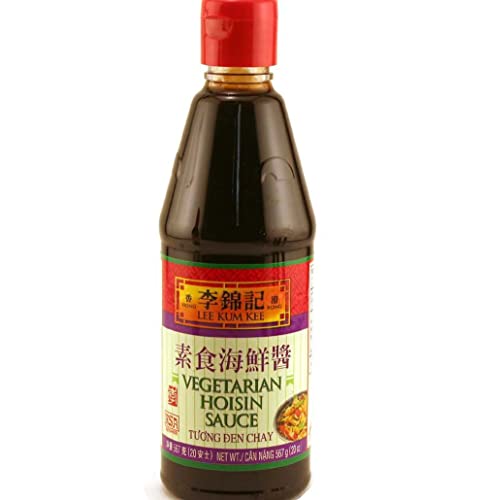
Lee Kum Kee Vegetarian Hoisin Sauce 20oz (Pack of 3)
LKK
Budget
Lee Kum Kee Gluten Free Hoisin Sauce (6-pack) 9.2 oz
Lee Kum Kee
Budget
San-J Gluten Free Mongolian Sauce, 10 oz (pack of 6)
San-J
Budget
Lee Kum Kee Vegetarian Hoisin Sauce, 20 oz Bottles (Pack of 12)
Lee Kum Kee
Mid-Range
House Foods Mabo Tofu Sauce, Medium Hot (5.29 oz) – case of 10
House
Mid-Range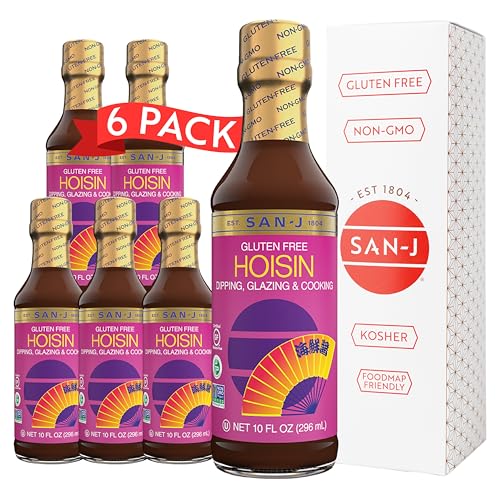
San-J Hoisin Sauce Gluten Free 10 oz (6 Pack)
San-J
Budget
Organic Asian Fusion Sesame Teriyaki Sauce - Gluten Free & Organic
Asian Fusion
Mid-Range
Mr. Spice Organic Ginger Stir Fry Sauce
Mr. Spice
Budget
Asian Fusion General Tso Sauce, 15 oz, non-GMO, organic, kosher & gluten free
Asian Fusion
Mid-Range
Hoisin Sauce for Pho Noodle Soup - 2 Pack - Tuong An
Generic
Budget
Thai Kitchen Pad Thai Sauce (Gluten Free) – 8 fl oz (Pack of 12)
Thai Kitchen
PremiumRoundups
Frequently Asked Questions
How do I choose the right stir-fry sauce for health and wellness goals?
Pick sauces that align with your goals: look for low-sodium or reduced-sugar labels if managing salt or carbs, choose gluten-free or tamari-based products for gluten sensitivity, and favor sauces with simple ingredient lists and recognizable oils if you want minimally processed options
What nutritional factors should I compare between different stir-fry sauces?
Compare serving size, calories, sodium, total sugars, and saturated fat per serving, plus checks for added MSG, preservatives, or allergens; also review ingredient order to see if sugar or high-sodium ingredients are listed near the top
Are there common allergens in stir-fry sauces I should watch for?
Common allergens include soy (soy sauce, tamari), wheat (regular soy sauce), sesame, shellfish (oyster sauce), and sometimes peanuts; always read the label for explicit allergen statements and cross-contact warnings
How does price typically vary for health-focused stir-fry sauces?
Health-focused or specialty sauces generally range from budget-friendly bottles under $10 to premium small-batch or organic options at higher prices; across similar products shoppers in this category often see mid-range averages rather than extreme price differences
Can I use stir-fry sauces as marinades or condiments, and does that affect nutrition?
Yes—many stir-fry sauces double as quick marinades or finishing sauces; using them as marinades may concentrate flavor so you can use less, but nutrition per serving remains the same, so adjust portion sizes if sodium or sugar is a concern
How should I store sauces to preserve quality and safety?
Store unopened bottles in a cool, dark pantry; after opening, refrigerate if the label advises it and use within the manufacturer’s recommended timeframe to maintain flavor and prevent spoilage
What flavor profiles and ingredients should I expect for healthier options?
Health-conscious sauces often emphasize tamari or low-sodium soy, rice vinegar, ginger, garlic, and natural sweeteners like mirin or small amounts of cane sugar or brown rice syrup; they may use sesame oil or neutral oils sparingly for flavor rather than heavy oils