Sugar Substitutes
Sugar substitutes for health-conscious cookery and baking, including stevia, monk fruit, erythritol, and powdered blends across budget through mid-range price tiers. Ten indexed products average a 4.51 rating; brands include Lakanto among others. Price range roughly $38–$220 (avg ~(price varies))
Top Products

Lakanto Golden Monkfruit Sweetener with Erythritol (3 pk, 1.8 lb each)
Lakanto
Mid-Range
Equal 0 Calorie Powdered Sweetener (Pack of 6)
Equal
Mid-Range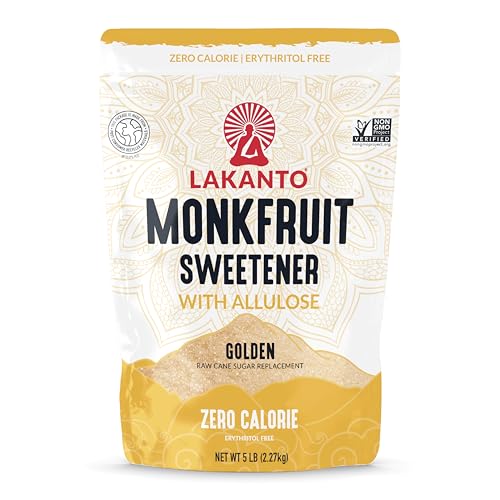
Lakanto Golden Monk Fruit Sweetener with Allulose
Lakanto
Mid-Range
EQUAL zero calorie sweetener packets (2000 ct) - aspartame & acesulfame-K
Equal
Mid-Range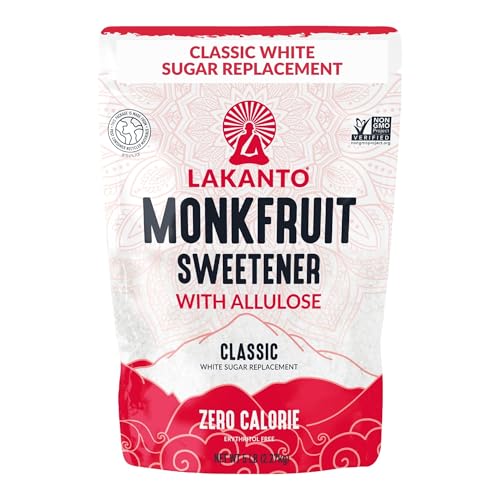
Lakanto Classic Monk Fruit Sweetener (White) 5 lb
Lakanto
Mid-Range
Organic Raw Blue Agave Nectar, 11.75 oz, 6 pack
Wholesome
Mid-Range
Monk fruit extract sweetener, 100% pure, no erythritol
Morning Pep
Mid-Range
Smart Monkfruit Extract - 100% Monk Fruit Sweetener (3oz / 85g)
Smart138
Mid-Range
Lakanto Monkfruit Sweetener with Allulose (Classic White) bulk
Lakanto
Premium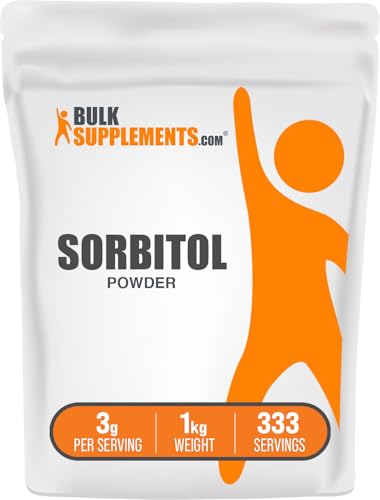
Sorbitol Powder - Sugar Substitute, 5kg (11 lbs) by BulkSupplements
BulkSupplements
PremiumRoundups
- Best Sugar Substitutes for Tea Sweetening (2026)
- Best Sugar Substitutes for Cooking (2026)
- Best Sugar Substitutes for Sweetening Beverages (2026)
- Best Sugar Substitutes for Baking (2026)
- Best Sugar Substitutes Under $200 (2026)
- Best Sugar Substitutes Under $100 (2026)
- Best Sugar Substitutes Under $50 (2026)
- Best Sugar Substitutes (2026 Guide)
Frequently Asked Questions
How do I choose which type of sugar substitute is right for me?
Choose based on taste preference (tabletop vs. bulk baking), dietary needs (calorie-free vs. nutritive sweeteners), and health conditions (e.g., diabetes, phenylketonuria). Check ingredient lists for sugar alcohols, stevia, monk fruit, sucralose, or aspartame and select the form (powder, liquid, packets) that fits your typical use
Are sugar substitutes safe for people with diabetes or on a low-carb diet?
Many nonnutritive sweeteners (stevia, monk fruit, sucralose, aspartame) have negligible impact on blood glucose and are commonly used by people with diabetes or on low-carb diets, but individual responses vary and you should monitor blood sugar and consult your healthcare provider for personalized advice
What should I look for on the label regarding calories, carbs, and digestive side effects?
Compare calorie and carbohydrate amounts per serving—nonnutritive sweeteners usually list zero or minimal calories and carbs; sugar alcohols (erythritol, xylitol) contribute some carbs and can cause digestive upset in sensitive people. Look for serving size, total carbs, and any warning about gastrointestinal effects
How do I decide between powdered, liquid, or packet forms?
Use powdered or granular forms for baking and bulk recipes, liquid concentrates for beverages and cold applications, and packets for single-serve convenience; consider conversion ratios on the label since potency differs across types
Can sugar substitutes be used in cooking and baking, and do they behave like sugar?
Some substitutes work well in baking but may require recipe adjustments—nutritive sweeteners and certain erythritol blends provide bulk and browning similar to sugar, while high-intensity sweeteners often need bulking agents or modified recipes to match texture and volume
Are there any interactions or safety considerations with medications or conditions?
Certain sweeteners may be contraindicated for people with phenylketonuria (aspartame) or may affect gut microbiota; always review ingredient specifics and consult a healthcare professional if you have chronic conditions or take medications
What price range should I expect for quality sugar substitutes and how to shop for value?
Prices vary by type and quantity; expect budget options under $50 and premium or bulk specialty blends at higher price points. Compare cost per serving, ingredient purity, and concentration to assess value rather than unit price alone