Vegetable Juice Beverages
This category covers bottled and shelf-stable vegetable juice beverages focused on nutrition and wellness, including cold-pressed, blended, and tomato-based options. There are 42 indexed products averaging a 4.48 rating and mid-range pricing (about $32–$76), with brands like ALLWELLO and V8 represented
Top Products

V8 Original 100% Vegetable Juice, 5.5 fl oz can (48 pack)
V8
Budget
V8 Original 100% Vegetable Juice, 46 fl oz Can (12 Pack)
V8
Budget
V8 Original 100% Vegetable Juice, 5.5 fl oz Can (48 Pack)
V8
Budget
V8 Original 100% Vegetable Juice, 46 fl oz Bottle (12 Pack)
V8
Budget
Campbell's 100% Tomato Juice, 46 fl oz Can (12 Pack)
Campbell's
Budget
Campbell's 100% Tomato Juice, 11.5 oz Cans (24 Pack)
Campbell's
Budget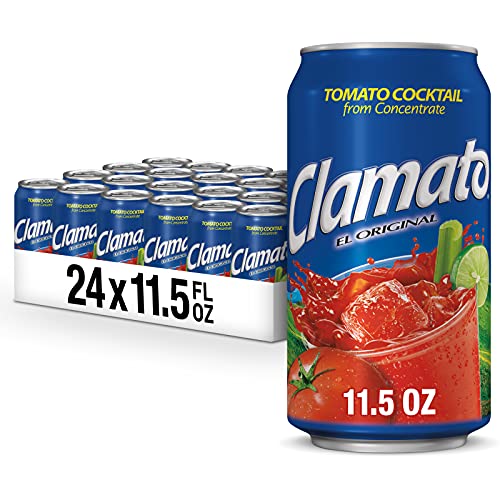
Clamato Original Tomato Cocktail, 11.5 fl oz can (Pack of 24)
Clamato
Mid-Range
Clamato Original Tomato Cocktail - 64 fl oz bottles (Pack of 8)
Clamato
Mid-Range
Lucy's Organic Turmeric Juice - FreshPressed 34 oz
Lucy's
Mid-Range
Lucy's Organic Ginger Juice - fresh pressed in glass 34oz
Lucy's
Mid-Range
Smartfruit Harvest Greens + Detox 100% Fruit Puree (Smoothie Mix) 48 Fl Oz (2 Pack)
Smartfruit
Mid-Range
Pomona Organic Carrot Juice, Cold Pressed, 12 pack
Pomona Organic Juices
Mid-Range
Iberia Aloe Vera Drink with Aloe Pulp, Original (16.9 fl oz) - Pack of 24
Iberia
Mid-Range
Pomona Organic Beet Juice - cold pressed, 2-ingredient, pack of 12
Pomona Organic Juices
Mid-Range
Pomona Organic Tomato Juice - 8.4 fl oz bottles, cold-pressed, non-GMO
Pomona Organic Juices
Mid-Range
BEET IT Organic Beet Juice 25.4 Fl oz (6 Pack)
BEET IT
Mid-Range
Mott's 100% Tomato Juice, 11.5 fl oz Can (24 ct)
Mott's
Budget
R.W. Knudsen Very Veggie Juice, 1 qt (pack of 5)
R.W. Knudsen
Premium
Biotta Breuss Organic Vegetable Juice 100% juice, 16.9 fl oz (pack of 6)
Biotta
Mid-Range
Iberia Aloe Vera Juice Drink, Pineapple
Iberia
Mid-Range
Biotta Organic Beet Juice - 100% Natural Beetroot
Biotta
Mid-Range
Clamato Picante Tomato Cocktail 32 oz bottle (pack of 12)
Clamato
Premium
AllJeup Natural Cabbage Juice - 100% Cabbage Extract
AllJeup
Mid-Range
Juice Performer Beet Juice with Vitamin B12
Juice Performer
Mid-RangeRoundups
- Best Vegetable Juice Beverages for On-The-Go Hydration (2026)
- Best Vegetable Juice Beverages for Breakfast Drink (2026)
- Best Vegetable Juice Beverages for Afternoon Snack (2026)
- Best Vegetable Juice Beverages Under $200 (2026)
- Best Vegetable Juice Beverages Under $100 (2026)
- Best Vegetable Juice Beverages Under $50 (2026)
- Best Vegetable Juice Beverages (2026 Guide)
Frequently Asked Questions
How do I choose the right vegetable juice for health and wellness?
Choose based on ingredient transparency (100% vegetable juice vs. blends), nutrient priorities (e.g., high sodium for savory needs vs. low-sodium for blood pressure concerns), added sugars or fruit concentrates, and any dietary preferences such as organic, cold-pressed, or shelf-stable
What should I look for on the label to compare nutrition?
Compare serving size, calories, sodium, sugar, fiber, and percent Daily Value for vitamins like A, C, and potassium; check the ingredient list for whole-vegetable juices first and avoid products with added sugars, artificial flavors, or long lists of preservatives if you prefer minimally processed options
Are vegetable juices a good substitute for eating whole vegetables?
Vegetable juice can help increase vegetable intake and provide vitamins and minerals, but it typically lacks the fiber of whole produce and can be higher in sodium; use juices to supplement—not fully replace—a diet that includes whole vegetables
How do brands and price relate in this category?
Brands vary by processing method (cold-pressed, pasteurized), organic certification, and bottle size; prices in the category span a wide range, with many health-oriented or organic options costing more than conventional concentrates or mixes, and average prices clustering around higher-end juice products
What should I know about sodium and added ingredients?
Many vegetable juices, especially tomato-based or savory blends, contain significant sodium—check mg per serving and choose low-sodium versions if necessary; also review for added sugars, citric acid, or natural flavors if you have sensitivities
How should I store and serve vegetable juice for best quality?
Store unopened shelf-stable juices at room temperature per label; refrigerate after opening and consume within the manufacturer’s recommended timeframe (usually a few days to two weeks); serve chilled and shake well if separation occurs
Are there common allergens or interactions to watch for?
Vegetable juices may include celery, tomato, or other botanicals that can trigger allergic reactions in some people; if you take blood-thinning medication or have potassium-sensitive conditions, consult a healthcare provider because concentrated juices can affect sodium, potassium, and vitamin K intake