Vitamins, Minerals & Supplements
This category covers vitamins, minerals, and dietary supplements for general health and targeted needs—multivitamins, omega-3s, vitamin D/K combos, and specialty formulations. About 27 products average a 4.40 rating, with prices typically $32–$105 and brands like Life Extension represented
Top Products

Goli Apple Cider Vinegar Gummies - 2x60 count, vegan & non-GMO
Goli
Budget
Rephresh Pro-B Probiotic + vH Essentials feminine health duo
Rephresh
Mid-Range
Nature Made Flaxseed Oil 1000 mg Softgels (180-count) – 2-pack
Nature Made
Mid-Range
up4 Kids Probiotic Gummies for digestion and wellness
up4
Budget
TrueSeaMoss Wildcrafted Irish Sea Moss Gel - Mango/Pineapple
TrueSeaMoss
Budget
Qunol CoQ10 200mg Softgels + Turmeric Curcumin with 95% Curcuminoids
Qunol
Mid-Range
Nutricost NAD+ Supplement 1000mg | 120 capsules
Nutricost
Mid-Range
Methylene Blue Pharmaceutical Grade Capsules (120) for Cognitive Support
tuunio
Mid-Range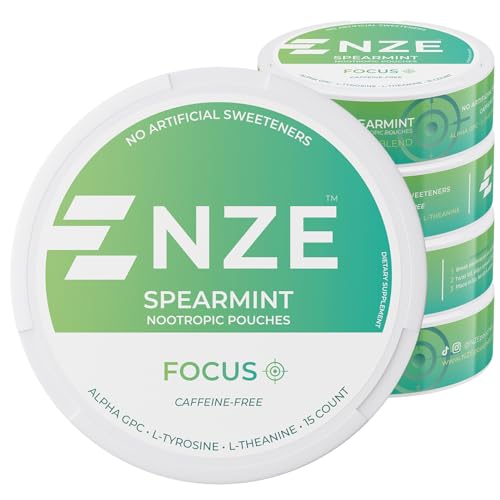
NZE Caffeine Free Nootropic Pouches (Spearmint)
NZE
Budget
O Positiv FLO PMS Gummies for Women
O Positiv
Budget
NZE Caffeine Free Nootropic Pouches (Lemon Cherry) – 15 Pouches
NZE
Budget
NZE Caffeine Free Nootropic Pouches (Wintergreen) 15 Pouches
NZE
Budget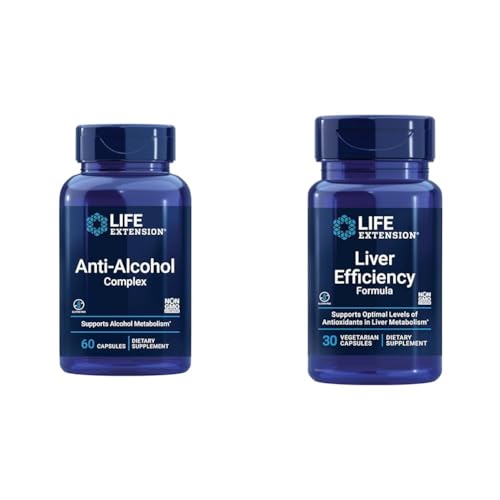
Life Extension Liver Health Support Bundle
Life Extension
Budget
Life Extension Ultra Prostate Formula & Magnesium Caps
Life Extension
Mid-Range
Life Extension Ultra Prostate Formula & Zinc Caps
Life Extension
Mid-Range
Boobie Mother of All Greens | Daily super greens powder for moms & families
Boobie Brands
Budget
Mushroom hot cocoa melatonin sleep supplement
RYZE SUPERFOODS
Mid-Range
Regenerative Organic Probiotics for Women, 30 Count
Ancient Nutrition
Mid-Range
FBDAZOLE 444mg 120 Capsules (99% Purity) - vegan, non-GMO
phenbendazole
Mid-Range
mykind Organic Multivitamin for Women & Men One Daily Whole Food Vitamin
Garden of Life
Premium
NZE Caffeine Free Nootropic Pouches (Black Cherry) 5 Pack
NZE
Budget
Life Extension Ultra Prostate Formula & Omega-3
Life Extension
Mid-Range
BioMatrix DHEA Liquid Supplement for Adrenal & Brain
BioMatrix
Mid-Range
Isopure colostrum & collagen peptides bundle, unflavored
Isopure
Mid-RangeRoundups
Frequently Asked Questions
How do I choose which vitamins or supplements I need?
Decide based on your diet, health goals, and any diagnosed deficiencies; consult blood tests and a healthcare professional to confirm needs and dosage, and prioritize evidence-backed ingredients (e.g., vitamin D for low levels, B12 for vegans)
What should I look for on labels to assess quality and potency?
Check active ingredient amounts and compare them to Recommended Dietary Allowances (RDAs) or therapeutic doses, look for third-party testing seals (USP, NSF, ConsumerLab), clear ingredient lists with forms (e.g., methylcobalamin vs. cyanocobalamin), and expiration dates
Are there safety concerns or interactions I should consider?
Yes — some supplements interact with prescription drugs or medical conditions (e.g., vitamin K can affect blood thinners, high-dose vitamin A or iron can be harmful); review possible interactions with your clinician or pharmacist before starting
How much should I expect to spend for quality supplements?
Prices vary widely; budget options often cost under $25, while mid-range formulations commonly fall between $25 and $75; assess cost per serving and ingredient concentrations rather than only sticker price
How long before I see results, and how should I take them?
Timing depends on the nutrient and goal: some effects (e.g., correcting a deficiency) may take weeks to months; follow label directions for timing (with food or on an empty stomach) and maintain consistent daily use as advised by a professional
What differences matter between supplement forms (pill, capsule, liquid, powder)?
Form affects absorption, convenience, and dose flexibility: liquids and powders can allow easier dose adjustments and faster absorption for some nutrients, while capsules/tablets are more portable and have longer shelf stability
How should I store supplements to preserve potency?
Store in a cool, dry place away from direct sunlight and humidity; follow any label instructions (some probiotics or fish oils may require refrigeration) and keep products in their original, tightly closed containers