Wood Polish
This category covers wood polishes and restorative oils for furniture and floors, including creams, sprays, and paste waxes. Twelve products are indexed with an average rating of 4.58 and mid-range prices around $35–$63; brands include Method and The Original Bee's Wax
Top Products
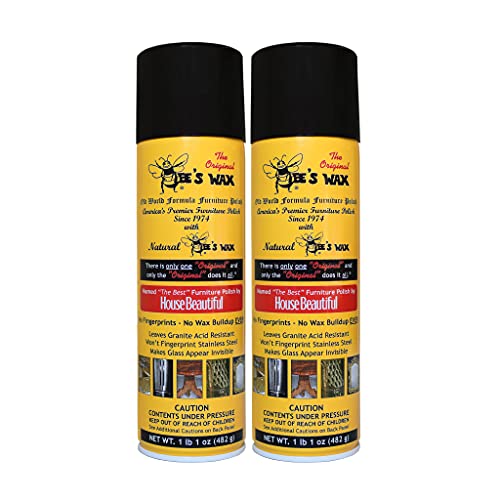
The Original Bee's Wax Old World Furniture Polish (2 pack)
The Original Bee's Wax
Budget
Method Wood Polish Almond for Wood Surfaces 14 oz (Pack of 6)
Method
Mid-Range
The Original Bee's Wax Old World Formula Furniture Polish - 4 Pack
The Original Bee's Wax
Mid-Range
Kitchen Cabinet Creme cleaner for wood surfaces
Parker & Bailey
Mid-Range
Method Daily Wood Cleaner – Almond, plant-based formula (8-pack, 28 oz bottles)
Method
Mid-Range
Pledge Polish and Shine for Wood Furniture, Lemon Scent, 14.2 oz (6 pack)
SC Johnson Professional
Mid-Range
Bayes Teak Cleaner & Restorer – cleans, shines, protects (16 oz x 6)
Bayes
Mid-Range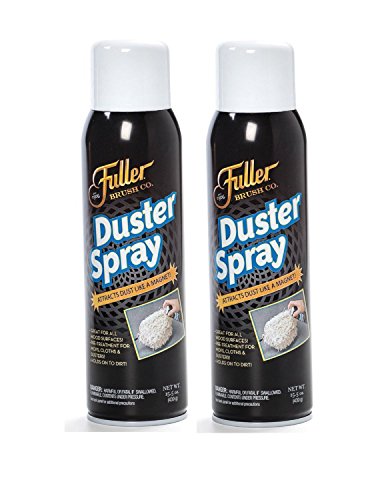
Fuller Brush Duster Spray (Pack of 2)
Fuller Brush
Mid-Range
Trade Secret Wood Furniture & Floor Restoration Kit - Scratch Repair and Polish System
Trade Secret
Mid-Range
Rejuvenate Wood Floor Restorer (1 gallon) for satin finish
Rejuvenate
Mid-Range
Pledge Revive It Wood & Surface Polish, 14.2 oz Aerosol (Pack of 6)
SC Johnson Professional
Mid-Range
Southeast Softwash Wood Wizard – Wood Floor Cleaner & Stain Remover
Southeast Softwash
Mid-RangeRoundups
Frequently Asked Questions
How do I choose the right wood polish for my furniture or floors?
Match the polish to the finish (e.g., wax for antique or hand-rubbed finishes, oil for penetrating natural wood, and spray polishes for sealed or polyurethane surfaces), check for compatibility with your wood type, and look for water-based or low-VOC formulas if indoor air quality is a concern
What should I expect to pay for quality wood polish in health & wellness–focused brands?
Products in this category commonly range from budget options under $20 to higher-end specialty formulations; averages fall around mid-range prices, so expect typical purchases to be near the category average rather than extremely cheap or expensive items
Are there health or safety considerations when using wood polish indoors?
Yes — use polishes with low volatile organic compounds (VOCs) or water-based formulas for better indoor air quality, ensure good ventilation during and after application, and follow label warnings to avoid skin contact or inhalation of solvents
How often should I apply wood polish to maintain wood surfaces?
Frequency depends on use and finish: high-touch furniture may need polishing every 1–3 months, while less-used pieces or well-sealed floors often require treatment every 6–12 months; monitor dryness, appearance, and water beading to gauge timing
Can I use the same polish on different wood finishes or should I test first?
Always test any polish on an inconspicuous area first because some products can alter sheen or build up over time; avoid using wax-based polishes on surfaces intended for later refinishing or on some veneer tops unless the label specifies compatibility
Do natural or eco-friendly wood polishes perform as well as traditional formulas?
Many natural or eco-focused polishes (plant-based oils, beeswax, water-based blends) effectively clean and protect wood, though their durability and shine profile may differ from solvent-based products; performance can vary by formulation and intended use
How should I store wood polish to keep it effective and safe?
Store products in a cool, dry place away from direct heat or sunlight, keep containers tightly sealed to prevent evaporation or contamination, and follow disposal instructions on the label for leftover product and empty containers