Zinc Mineral Supplements
This category features zinc mineral supplements—tablets, capsules, lozenges, and chelated/compound formulations—aimed at supporting immune and metabolic health. It includes 29 indexed products with an average rating of 4.62 and mid-range pricing (about $33–$77), with brands like Vimergy represented
Top Products
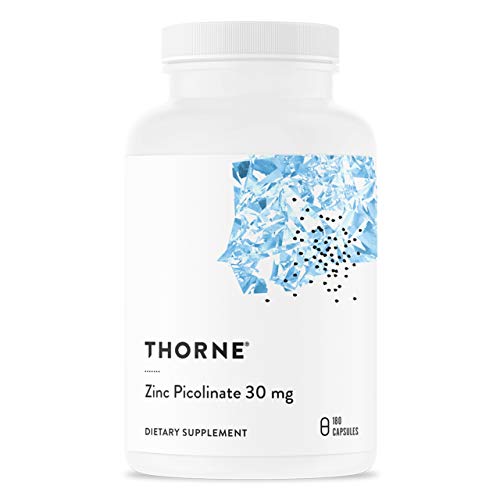
Thorne Zinc Picolinate 30 mg - 180 capsules
THORNE
Mid-Range
Zinc 15 mg Picolinate by Pure Encapsulations
Pure Encapsulations
Budget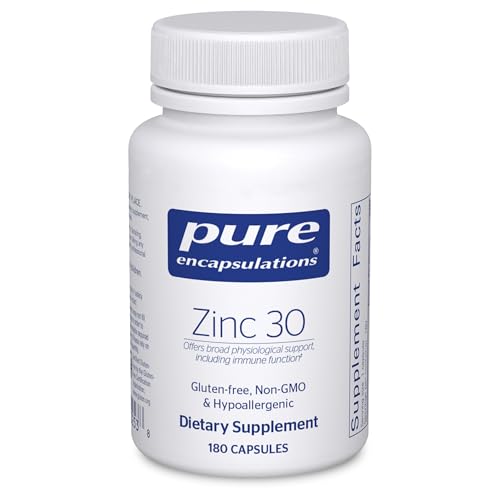
Zinc 30 mg supplement with zinc picolinate
Pure Encapsulations
Mid-Range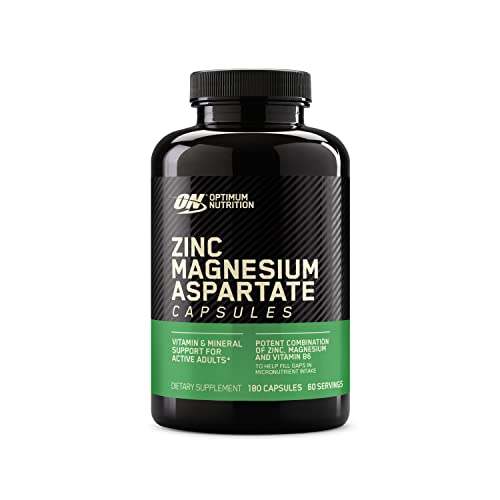
Optimum Nutrition zinc magnesium aspartate supplement
Optimum Nutrition
Mid-Range
Vimergy Kids Organic Liquid Zinc Sulfate - 55 mL
Vimergy
Budget
Nutricost Zinc Picolinate 50mg - 2x240 Veggie Caps
Nutricost
Mid-Range
NEW AGE Zinc Gummies - 2 Pack 50mg Immune Support
NEW AGE
Budget
Nature's Way Zinc Gummies, Adult & Kids 9+ Immune Support, 100% DV per Serving
Nature's Way
Budget
Ivory Caps Immune Support with Quercetin, C, Zinc, D3
Ivory Caps
Mid-Range
Zinc Chelate - supports immune & skin health, gluten-free
Standard Process Inc.
Mid-Range
Zinc Quercetin 500mg with Vitamin C D3 Bromelain
SPARTIS
Budget
Vimergy Liquid Zinc Supplement for Immune Support
Vimergy
Mid-Range
ZMA JYM Zinc & Magnesium Supplement with vitamin B6
JYM Supplement Science
Budget
Metagenics Zinc A.G. with arginine & glycine chelates
Metagenics
Mid-Range
Oyster Extract 500 mg - Vitality Span, 60 veg capsules
Vitality Span
Budget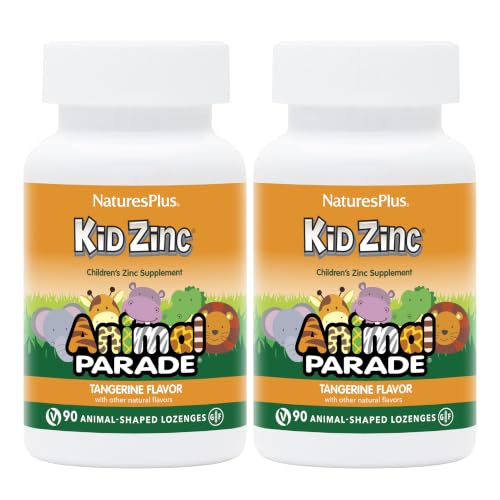
Natures Plus Animal Parade KidZinc Tangerine 90 lozenges (x2) zinc for kids
NaturesPlus
Mid-Range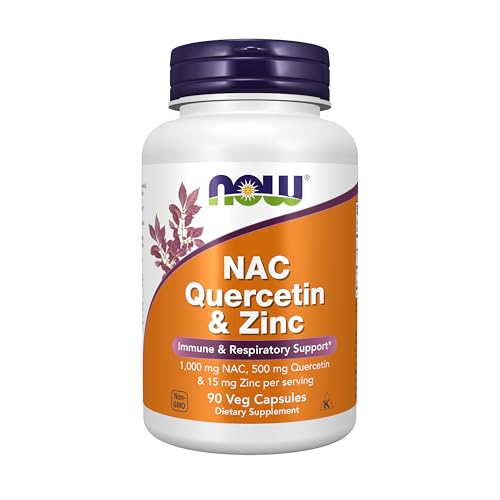
NOW Foods NAC Quercetin and Zinc immune support
NOW Foods
Mid-Range
Zinc Quercetin with Bromelain Immune Support Capsules
Mt. Angel Vitamins
Mid-Range
Vimergy Total Immune Blend Liquid Supplement
Vimergy
Mid-Range
Zinc Gummies with Copper & Vitamins C & D3 (2 Pack)
LILICARE
Budget
Vimergy Organic liquid zinc for immune support
Vimergy
Premium
EyePromise Macular Health Eye Vitamin - 60 Softgels
EyePromise
Mid-Range
Zinc Magnesium Aspartate Gummies for Recovery
NEVISS
Mid-Range
Viteyes AREDS 2 Zinc Free Macular Support
Viteyes
Mid-RangeRoundups
- Best Zinc Mineral Supplements for Wound Healing Support (2026)
- Best Zinc Mineral Supplements for Daily Immune Support (2026)
- Best Zinc Mineral Supplements Under $200 (2026)
- Best Zinc Mineral Supplements Under $100 (2026)
- Best Zinc Mineral Supplements Under $50 (2026)
- Best Zinc Mineral Supplements (2026 Guide)
Frequently Asked Questions
How do I choose the right form and dose of zinc supplement?
Choose a form (zinc gluconate, zinc picolinate, zinc citrate, zinc oxide) based on absorption and tolerance—picolinate and citrate are often better absorbed; oxide is less bioavailable. Typical daily supplemental doses range from 15–30 mg elemental zinc for general support; higher therapeutic doses should be used short-term and under healthcare supervision
Are there interactions or safety concerns I should know about?
Zinc can interfere with absorption of copper and, at high doses, may cause nausea or immune effects; long-term supplementation above recommended levels can cause copper deficiency. Zinc can also interact with certain antibiotics and diuretics, so consult a healthcare professional if you take prescription medications
How do I compare product quality across brands?
Compare by zinc form and elemental zinc per serving, third-party testing or certification (e.g., USP, NSF, or other independent labs), ingredient transparency, and allergen or excipient lists. Look at customer ratings and reviews for tolerability but prioritize verified testing and clear labeling
What should I expect in terms of cost and package sizes?
Zinc supplements for adults commonly fall into budget categories under $50 for typical bottle sizes; prices vary with brand, potency, and formulation (single-mineral vs. combined formulas). Consider cost per serving to compare value across different bottle sizes
When is the best time to take zinc and can I take it with food?
Zinc is often best taken with a meal to reduce stomach upset, but avoid taking it with high-phytate foods (large amounts of whole grains/legumes) or high-calcium meals which can reduce absorption. If taking with antibiotics, separate dosing by 2–4 hours based on guidance for the specific antibiotic
Are there specific populations who should avoid or modify zinc supplementation?
Pregnant and breastfeeding people, children, and people with certain medical conditions should follow healthcare guidance for dosing; children require much lower doses and specific pediatric formulations. People with compromised copper status or on long-term high-dose zinc should monitor with a clinician
How long does it take to see effects and how should I assess benefit?
Timing depends on the reason for use—improvements in immune-related symptoms or zinc deficiency markers may be seen in weeks to a few months; blood tests can confirm correction of deficiency. Track symptom changes and consult a healthcare provider for objective testing if using zinc therapeutically