Art Paints
A range of art paints for home comfort and decor projects, including acrylics, oils, watercolors and specialty mediums for walls, canvases, and furniture. The category spans budget through premium options (about $32–$325, avg $53) and features brands like Liquitex and Winsor & Newton among 510 indexed products with an average rating of 4.61
Top Products

Cotman Water Colour 12-colour Set with 3 brush
Winsor & Newton
Budget
Winsor & Newton Cotman Pocket Watercolor Set (12 half pans) with brush
Winsor & Newton
Budget
Winsor & Newton Cotman Field Travel Watercolor Set (12 half pans)
Winsor & Newton
Budget
Winsor & Newton Winton Oil Colour Cadmium Red Medium 200ml
Winsor & Newton
Budget
GANSAI Tambi Watercolor Paint Set 24 Colors II
Kuretake
Budget
Liquitex BASICS Acrylic Paint, Light Blue Permanent (946ml/32oz jar)
Liquitex
Budget
Winsor & Newton Cotman Watercolor Paint Set, 12 Colors
Winsor & Newton
Mid-Range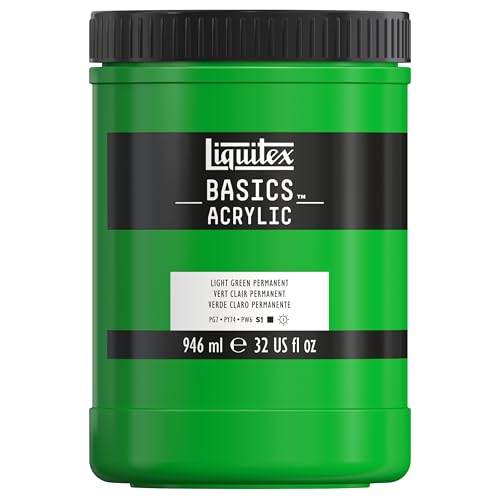
Liquitex BASICS Acrylic Paint, 946ml Light Green Permanent
Liquitex
Budget
Winsor & Newton Cotman Water Colour Set, 12x8ml tubes
Winsor & Newton
Budget
Liquitex BASICS Acrylic Paint, 946ml Mars Black
Liquitex
Budget
Winsor & Newton Cotman Water Colour Studio Set, 24 Half Pans
Winsor & Newton
Mid-Range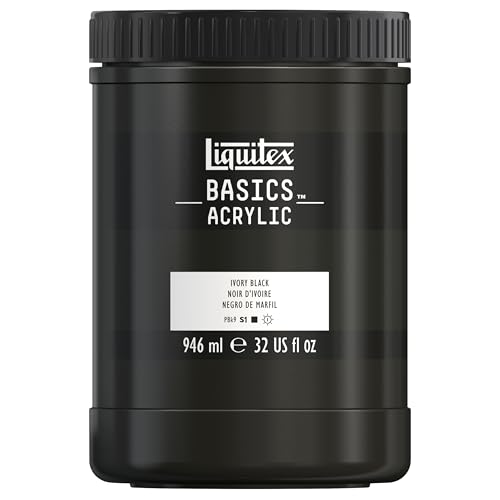
Liquitex Basics Acrylic Paint 946ml Ivory Black
Liquitex
Budget
Winton Oil Colour Zinc White 37ml tube
Winsor & Newton
Budget
Delta Creative Ceramcoat Acrylic Paint Assorted Colors (2 oz) – Oyster White (Pack of 5)
Delta Creative
Budget
Liquitex BASICS Acrylic Paint 32-oz Jar, Primary Blue
Liquitex
Budget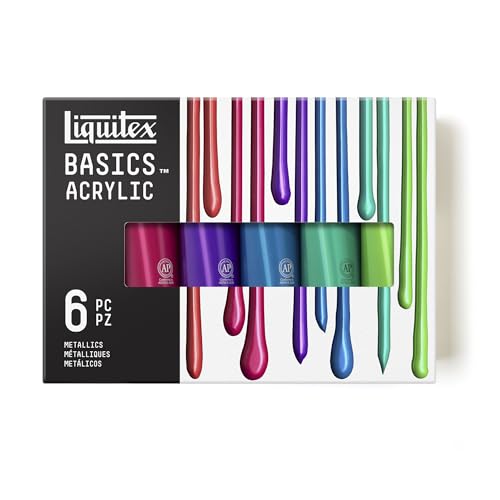
Liquitex BASICS Metallic Acrylic Paint Set, 6 x 118ml
Liquitex
Budget
Liquitex BASICS Acrylic Paint Set, 8 x 75ml tubes
Liquitex
Budget
55pcs Acrylic Paint Set with 36 Colors & 12 Brushes
HissiCo
Budget
Liquitex BASICS Acrylic Paint, 946ml Jar, Primary Red
Liquitex
Budget
Liquitex BASICS Acrylic Paint Set, 6 x 118ml tubes
Liquitex
Budget
Winsor & Newton Winton Oil Colour Cadmium Yellow Light 200ml
Winsor & Newton
Budget
Grabie 100 Colors Watercolor Paint Set with Case and Accessories
Grabie
Mid-Range
Liquitex Gloss Gel Medium, 473ml
Liquitex
Budget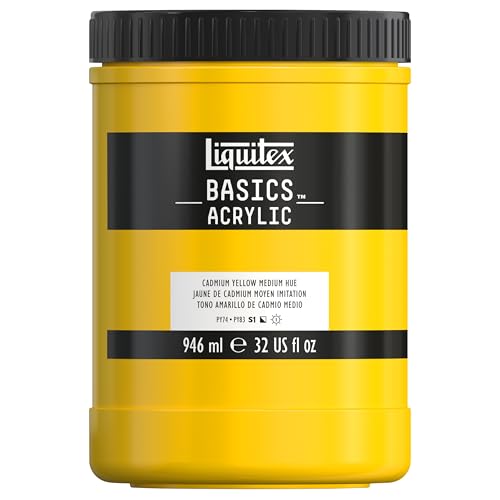
Liquitex BASICS Acrylic Paint Cadmium Yellow Medium Hue 946ml
Liquitex
BudgetRoundups
Frequently Asked Questions
What should I look for in paint quality and pigment information?
Check pigment labels (single pigment codes or names) and lightfastness ratings to gauge color permanence, and look for artist- vs. student-grade designations—artist-grade typically has higher pigment concentration and better permanence. Also review opacity/transparency and binder type for consistency and coverage
What are reasonable budget expectations for art paints in this category?
Prices vary widely; student-grade sets and basic acrylics often fall under $50, while artist-grade tubes and specialty paints can range from around $25 to several hundred dollars depending on pigment and tube size; the average price across similar products is about $50–$60
How much paint will I need for typical home decor projects?
Small canvases (8x10 to 16x20) can be covered with a few 60–120 ml tubes or a couple of ounces of paint; larger wall art or furniture may require several 250 ml jars or multiple tubes. Start with a basic palette of primary colors, white, and black, and scale up based on surface area and layering technique
What tools and surfaces are compatible with common art paints?
Acrylics work with synthetic brushes, palette knives, and a wide range of primed surfaces (canvas, wood, paper); oils require natural-bristle brushes, solvents or mediums, and properly primed canvas or wood; watercolors need watercolor paper and soft brushes, while gouache uses watercolor paper and can be reworked when damp
How should I store and care for paints to maintain quality?
Keep tubes and jars sealed, stored upright in a cool, dry place away from direct sunlight; refrigerating is not necessary but can extend opened acrylics briefly—avoid freezing. Clean brushes immediately after use with appropriate cleaners (water for acrylic/watercolor, solvent then soap for oils) and reshape bristles for storage
Are there safety or ventilation considerations when using art paints at home?
Use adequate ventilation, especially with oil paints, solvents, and certain mediums that emit fumes; wear gloves or a barrier cream to avoid prolonged skin contact and follow label instructions for disposal. For indoor projects choose low-odor or water-based formulations where possible and keep materials away from children and pets