Beading Cords & Threads
Beading cords and threads for home decor and craft projects, including nylon, waxed, elastic, and specialty beading lines for stringing and macramé. Catalog spans budget to mid-range options (avg price (price varies)) with 23 items and a 4.63 average rating; notable brands include The Beadsmith
Top Products
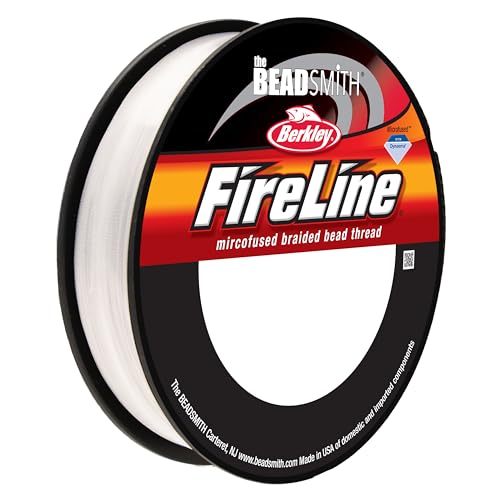
Beadsmith Fireline Micro-Fused Braided Thread, 6lb Test, 0.15mm, 300 yd
The Beadsmith
Mid-Range
Mandala Crafts Faux Suede Cords – 25 Assorted Color Leather Cords
Mandala Crafts
Mid-Range
S-Lon Bead Cord 0.5 mm Twisted Nylon, 12-pack
The Beadsmith
Mid-Range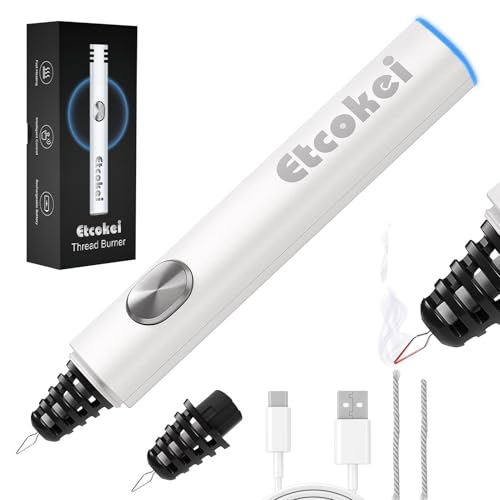
Thread Burner with Replacement Tip – Rechargeable Cautery Pen
Etcokei
Budget
Opelon Stretch Cord 0.7 mm, white, 100 m spool
The Beadsmith
Budget
Beadsmith Pure Silk Cord Pink (E, F, FF & FFF) 4 sizes
The Beadsmith
Budget
S-Lon Bead Cord 0.5mm Twisted Nylon 77yd Spool, 12-pack Saturation Mix
The Beadsmith
Mid-Range
Graduation cords 20pcs sky blue & white honors cords
FFNMU
Mid-Range
Griffin Silk Bead Cord Size 8 (0.80mm) 21 Colors 2m Card
Griffin
Mid-Range
S Sensy 10 Skeins 2mm Macrame Cord
S SENSY
Mid-Range
Nymo Thread size B, black, 0.20mm cone
The Beadsmith
Budget
SENSY Sparkle Polyester Rope 2mm Macrame Cord 251 yd (10 skeins) Latte Sparkle
S SENSY
Mid-Range
SENSY Sparkle 2mm Macrame Cord 10 Skeins
S SENSY
Mid-Range
Sensy Sparkle 2mm Macrame Cord, 251 yd (10 skeins) black
S SENSY
Mid-Range
Nymo Thread Beading Cord, Nylon, .35mm, 3oz cone
The Beadsmith
Budget
Nymo Thread 0 Size White .15mm 3oz cone
The Beadsmith
Budget
Caydo Lanyard String Kit with 40 Rolls and Tools
Caydo
Mid-Range
Lanyard String Kit with 48 Rolls and hardware (11 yards each)
Wesnoy
Mid-Range
Graduation Honor Cord - Pack of 10
Honors Graduation
Mid-Range
Sensy Premium Macrame Cord - 8 Skeins, 3mm, 109 Yards, 100% Cotton
S SENSY
Mid-Range
SENSY 8 Skeins 5mm Macrame Cord Navy
S SENSY
Premium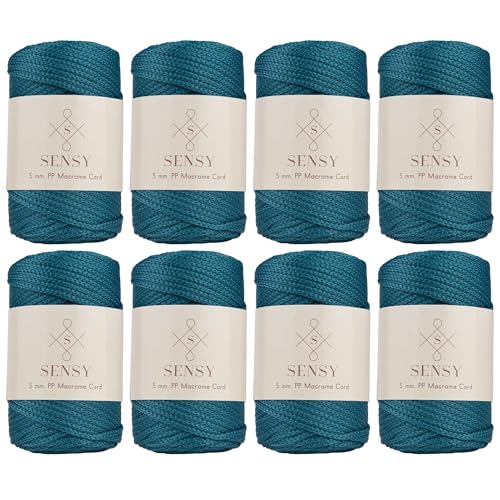
SENSY 8 Skeins 5mm Macrame Cord Peacock
S SENSY
Premium
Graduation Honor Cord - Pack of 10
Honors Graduation
Mid-RangeRoundups
Frequently Asked Questions
How do I choose the right beading cord or thread for my project?
Choose based on bead hole size, project weight, and desired drape: use thin nylon or silk threads for small seed beads and knotting, flexible beading cords (e.g., braided nylon or polyester) for stringing heavier beads, and coated stainless steel or tiger tail for weight-bearing designs and bracelets
What cord thickness or diameter should I match to my beads?
Measure the bead hole and select a cord slightly smaller than the inner diameter; common options range from 0.2 mm for microbeads up to 0.8–1.0 mm for large-hole beads and leather-style cords
Are there differences in strength and stretch between cord types?
Yes: monofilament and coated steel cords offer high tensile strength and low stretch, nylon and polyester braided cords provide moderate strength with some flexibility, and elastic cords stretch for stretch bracelets but have lower long-term tensile strength and may require careful knotting or crimping
Which threads are best for knotting between beads or for pearl restringing?
Silk and specialized nylon beading threads are best for knotting because they hold knots securely and drape well; silk is traditional for pearls, while waxed or thicker nylon is more durable for heavier beads
How should I care for and store beading cords and finished jewelry?
Store cords flat or on spools away from direct sunlight and humidity to prevent degradation; for finished pieces, avoid prolonged water exposure, perfumes, and harsh chemicals, and re-tension or replace elastic cords periodically
What tools and findings do I need to work with different cord types?
Basic tools include sharp scissors or thread snips, beading needles for fine threads, crimp pliers and crimp tubes for coated steel or multi-strand cords, glue for securing knots on elastic, and end caps or cord ends for leather and thicker cords
How much cord should I buy for a typical necklace or bracelet?
Buy about 6–10 inches (15–25 cm) extra per piece to allow for knotting and finishing: for necklaces add 10–20% extra length, and for bracelets add 3–6 inches (8–15 cm) depending on clasp and knotting needs