Ceramics Glazes
Ceramics glazes for home decor and functional pottery, including brush-on, dipping, and heat-transfer finishes for mugs, tiles, and decorative pieces. Products span budget through mid-range price points (avg $58) and include brands such as Mayco and Heat Transfer Source. Average rating across 34 products is 4.41
Top Products

Rust-Oleum Chalked Decorative Glaze 30 oz 2PK Smoky
Rust-Oleum
Mid-Range
Set of 10 ceramic underglazes with how-to book
Mayco
Mid-Range
Amaco PC-59 Potters Choice Lead-Free Glaze, 1 Pint Jar, Deep FireBrick
AMACO
Budget
Potter's Choice High Fire Glaze Textured Turquoise
AMACO
Budget
Pasler Underglaze Set - 12 colors, 2 fl oz
Pasler
Mid-Range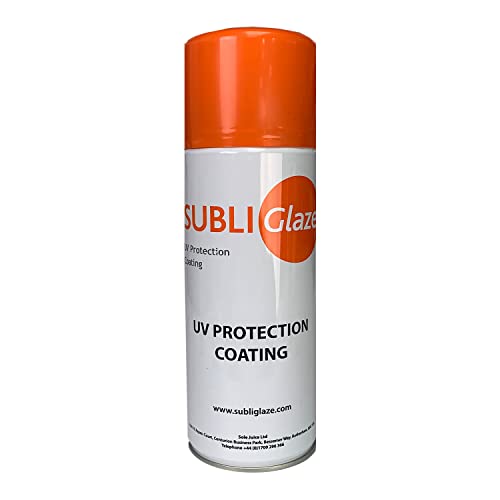
UV Protection Coating Subli Glaze for sublimation on various surfaces
Heat Transfer Source
Budget
Air Dry Clay Glaze – Varnish for clay, high gloss finish
EIGTWEN
Budget
Sax True Flow Underglaze Set, 2 oz, Assorted Colors, 12-pack
Sax
Mid-Range
Creative Hobbies Mayco Designer Liner Ceramic Glaze Writers Kit (10 colors) with booklet
Creative Hobbies
Mid-Range
AMACO Potter's Choice Oatmeal High Fire Glaze (Pint)
AMACO
Budget
Adhesion Promoter Coating for Subli Glaze
Heat Transfer Source
Budget
Sax True Flow Gloss Glaze, Natural Clear (Gallon) - 416911
Sax
Budget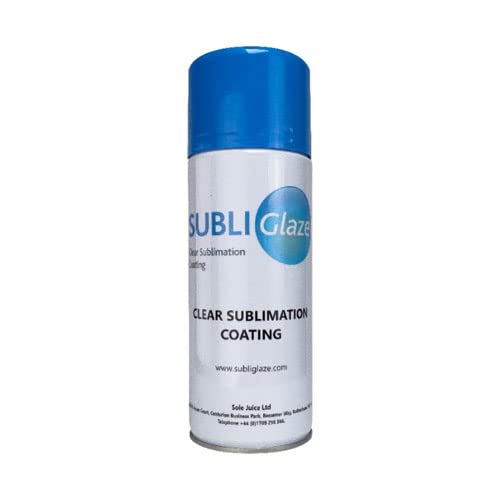
Subli Glaze Clear Sublimation Coating by Heat Transfer Source
Heat Transfer Source
Budget
Translucent White Subli Glaze Coating
Heat Transfer Source
Budget
Subli Glaze Matte Sublimation Coating for ceramics & metals
Heat Transfer Source
Budget
Dunzoom Underglaze Kit for Ceramics with 12 Colors, 6 Brushes & Palette
Dunzoom
Mid-Range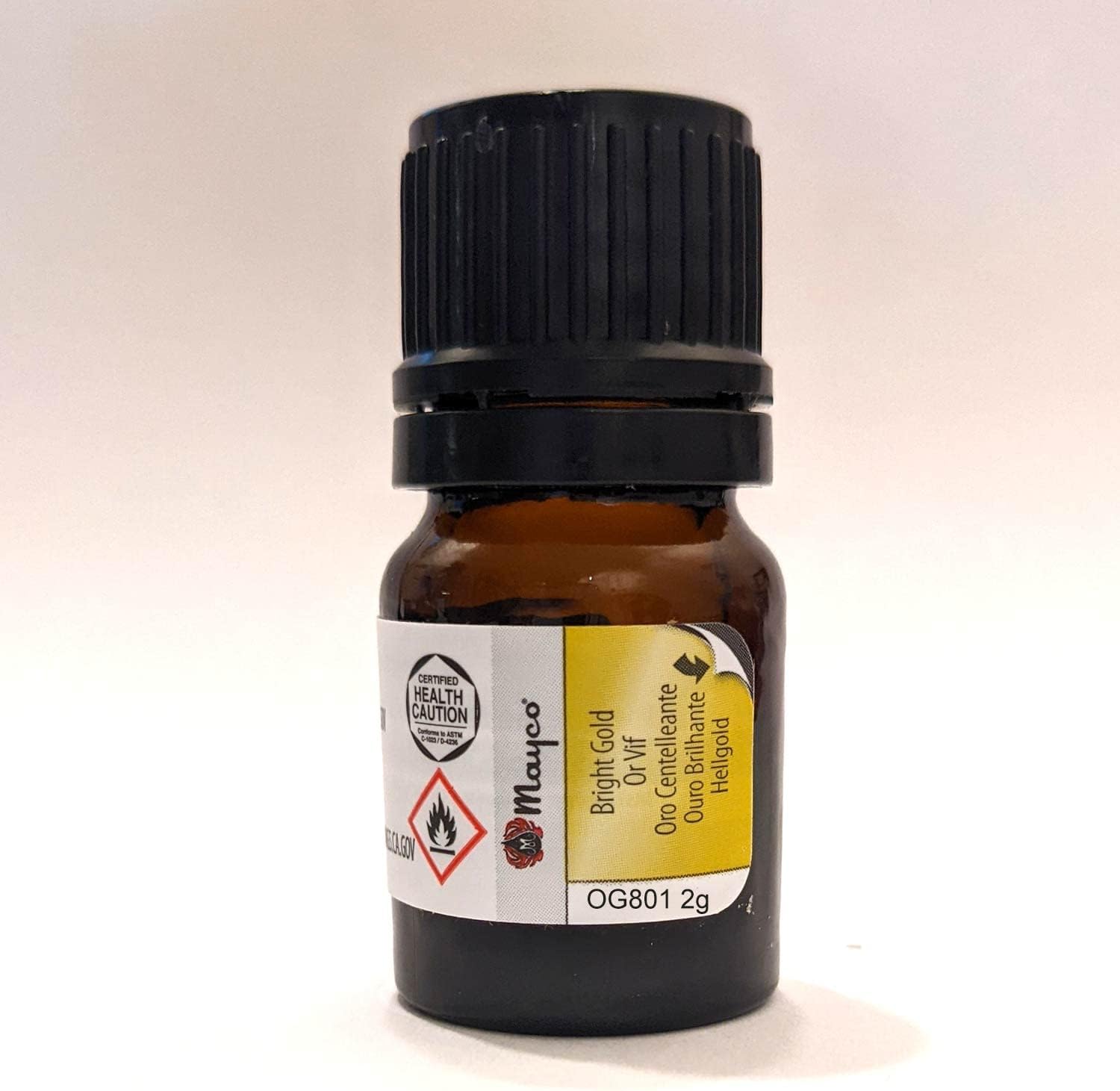
OG 801 Bright Gold - 2 Gram Bottle
Mayco
Budget
Mayco Fundamentals Underglaze Kit 1 (12 colors) 2oz Jars
Mayco
Mid-Range
Penguin Pottery Mid Fire Celadon Variety Set (Cone 6)
Penguin Pottery LLC
Mid-Range
Underglaze sampler pack, 12-pack, 2 oz each
Speedball
Mid-Range
Penguin Pottery Mid Fire Opaque Glaze Set (8 jars) 4oz
Penguin Pottery LLC
Mid-Range
Ceramic Glaze Set (12 Colors) for Pottery, BIUTEFOU
BIUTEFOU
Budget
Penguin Pottery Mid Fire Cones Variety Set 1 (8x4oz + wax resist)
Penguin Pottery LLC
Mid-Range
Penguin Pottery Underglaze Variety Set (8 colors, 4oz jars)
Penguin Pottery
Mid-RangeRoundups
Frequently Asked Questions
How do I choose the right glaze for my ceramic project?
Choose a glaze based on the type of clay (earthenware, stoneware, porcelain), firing temperature of your kiln (low-fire, mid-fire, high-fire), desired surface (matte, satin, gloss), and function (food-safe, decorative). Check manufacturer labels for cone range and compatibility with your clay body
What are common glaze finishes and how do they affect appearance?
Common finishes are matte (soft, low-sheen), satin (subtle sheen), gloss (high shine), and specialty effects like crystalline, ash, or metallic lusters; each alters color depth and light reflection and may change slightly after firing depending on temperature and application thickness
Are ceramic glazes food-safe and how can I confirm this?
Some glazes are formulated and tested as food-safe; confirm by looking for manufacturer statements about food safety and lead/cadmium testing, and ensure proper firing schedule—unglazed or improperly fired surfaces can leach contaminants
How much glaze do I need and what is a typical price range?
Coverage depends on application method and piece size, but small bottles (4–8 oz) are common for test work and touch-ups while larger pints or quarts suit production; ceramic glazes in home decor categories typically range from budget options under $20 up to specialty or larger-volume jars over $100, with many products averaging in the mid-range
What are best practices for applying and firing glaze to avoid defects?
Apply evenly—brush, dip, or spray with consistent thickness, clean bisqueware of dust and oils, allow adequate drying before firing, follow the manufacturer's cone and firing schedule, and avoid over-thick application to reduce crawling, pinholing, and running
How do I store glazes to keep them usable?
Store glazes in airtight, labeled containers at stable room temperature, stir or shake before use to remix settled solids, and add a small amount of water if slightly thickened—discard if moldy or if separation cannot be remixed uniformly
What tools and accessories are useful when working with glazes?
Useful items include brushes of different sizes, dipping tongs, spray guns or airbrushes for even coats, glazing buckets, sieves for straining, pH and lead test kits for safety checks, and kiln wash or stilts to prevent pieces from sticking