Computer Programming Languages
This category collects books and resources on computer programming languages for home study and decor-minded workspaces, including reference guides, tutorials, and typographic prints. Fourteen items average 4.6 stars, price range $40–$139, with authors/brands like Kari Laitinen represented
Top Products

Grokking Algorithms, Second Edition
Aditya Y Bhargava
Mid-Range
Deep Learning with Python, Second Edition
Francois Chollet
Mid-Range
C#: A Beginner's Tutorial, Second Edition
Jayden Ky
Mid-Range
Mastering 'C' Programming (Palgrave Master Series)
W. A. J. Chapman
Mid-Range
Coding Essentials Guidebook for Developers: Introduction to Coding Concepts, Languages, and Tools
Jacob Stopak
Mid-Range
Spring and Hibernate
Mr. Santosh Kumar K.
Mid-Range
Programmers Python: Everything is Data: Something Completely Different
Mike James
Mid-Range
A Natural Introduction to Computer Programming with Java
Kari Laitinen
Mid-Range
A Natural Introduction to Computer Programming with C++
Kari Laitinen
Mid-Range
Compiler Construction (Monographs in Computer Science)
William M. M. Waite, Gerhard Goos
Mid-Range
Effective Python: 125 Specific Ways to Write Better Python
Brett Slatkin
Mid-Range
Free Choice Petri Nets (Cambridge Tracts in Theoretical Computer Science, Series Number 40)
Jorg Desel, Javier Esparza
Mid-Range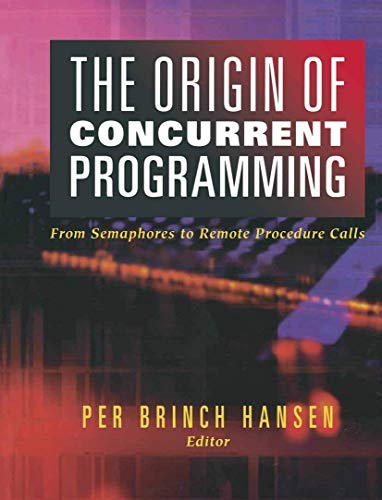
Origin of Concurrent Programming: from Semaphores to RPCs
Per Brinch Hansen
Premium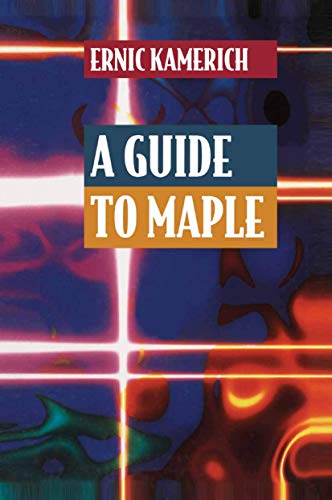
A Guide to Maple
Ernic Kamerich
Mid-RangeRoundups
Frequently Asked Questions
How do I choose which programming language resource is right for learning at home?
Pick based on your goal: web development (JavaScript, HTML/CSS), data science (Python, R), or systems (C, Rust). Consider learner level, format (book, online course, exercises), and sample content like a table of contents or a trial chapter to gauge teaching style
What are typical price ranges and formats for programming language learning materials?
Materials span formats—paperbacks, ebooks, video courses, and interactive platforms—with budget-friendly options under $50 and more comprehensive bundles or instructor-led courses costing more; average product prices in similar curated lists are often around the mid-range
Which features should I prioritize when comparing books or courses on a language?
Prioritize clear explanations, practical examples, exercises or projects, up-to-date language coverage, and supplemental resources (code repositories, downloadable files, or quizzes) that let you practice and verify understanding
How can I assess whether a resource is up to date and applicable to current language versions?
Check the publication or last-update date, references to recent language features or standards, and whether the author or publisher maintains code examples in a public repository with recent commits
What technical requirements should I check before buying a course or eBook?
Confirm supported platforms and file formats (PDF, EPUB, video player compatibility), required software versions or tools (IDEs, compilers, runtime environments), and any system prerequisites for hands-on exercises
How do I evaluate the difficulty level and learning curve of a programming resource?
Look for stated target audience (beginner, intermediate, advanced), sample chapters or preview lessons, and the presence of progressive projects or guided exercises that build from basics to more complex topics
What maintenance or follow-up learning should I expect after finishing a book or course?
Expect to continue practicing through personal projects, contributing to code repositories, following official language documentation for updates, and using community resources or advanced courses to deepen skills