Environmental Policy
A collection of books and reports on environmental policy as it relates to home comfort and decor, covering topics like energy-efficient design, indoor air quality, and sustainable materials. The niche includes 28 indexed titles averaging a 4.73 rating and mid-range pricing (roughly $45–$230), with authors such as Andrew Farmer represented
Top Products

Understanding Urban Cycling (Equity, Justice and the Sustainable City series)
Justin Spinney
Mid-Range
Conflict, Peace, Security and Development: Theories and Methodologies
Helen M. HintjensFabio Diaz
Mid-Range
Disaster Research: Multidisciplinary and International Perspectives
Rasmus Dahlberg, Olivier Rubin, Morten Thanning Vendel
Mid-Range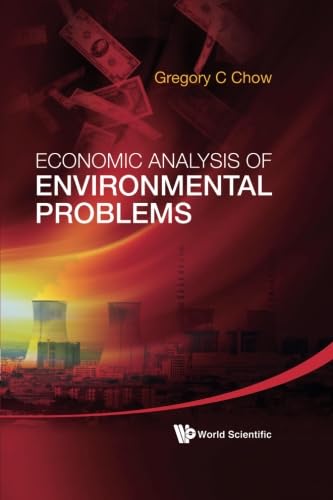
Economic Analysis Of Environmental Problems
Gregory C Chow
Mid-Range
Cultural Sustainability and the Nature-Culture Interface
Inger Birkeland, Rob Burton, Constanza Parra, Katriina Siivonen
Mid-Range
Climate Change and Food Security: Africa and the Caribbean
Elizabeth Thomas Hope
Mid-Range
Low Carbon Politics: A Cultural Approach to Low Carbon Electricity
David Toke
Mid-Range
Nation, Immigration, and Environmental Security
J. Urban
Mid-Range
Environmental Education in Indonesia (Routledge Explorations in Environmental Studies)
Lyn Parker, Kelsie Prabawa-Sear
Mid-Range
Disaster Risk Management in Korea (Disaster Risk Reduction)
Yong-kyun Kim, Hong-Gyoo Sohn
Premium
Accounting for Biodiversity
Michael Jones
Mid-Range
Ecological Governance: Toward a New Social Contract with the Earth
Bruce Jennings
Mid-Range
Handbook of Environmental Protection and Enforcement: Principles and Practice
Andrew Farmer
Premium
Sustainable Development Goals and the Catholic Church
Katarzyna Cichos, Radosaw Zenderowski, Jarosaw A. Sobkowiak, Beata Zbarachewicz, Ryszard F. Sadowski, Stanisaw Dziekonski
Premium
Cities, Networks, and Global Environmental Governance (Cities and Global Governance) by Sofie Bouteligier
Sofie Bouteligier
Premium
Environment and Politics (Routledge Introductions to Environment: Environment and Society Texts)
Timothy Doyle, Doug McEachern, Sherilyn MacGregor
Premium
Geoengineering, the Anthropocene and the End of Nature
Jeremy Baskin
Mid-Range
Evaluating Environment in International Development
Juha I. Uitto
Premium
Climate Governance across the Globe
Rudiger K.W. Wurzel, Mikael Skou Andersen, Paul Tobin
Premium
Energy as a Sociotechnical Problem (Routledge Studies in Energy Transitions)
Patrick Sumpf, Jens Schippl, Christian Buscher
Mid-Range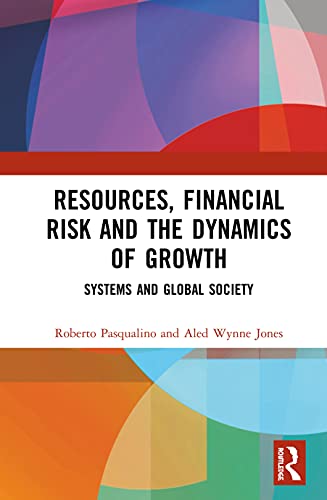
Resources, Financial Risk and the Dynamics of Growth
Aled JonesRoberto Pasqualino
Premium
International Politics in the Arctic: Contested Borders, Natural Resources and Russian Foreign Policy
Geir Hnneland
Premium
Sustainability and the Art of Long-Term Thinking (Routledge Studies in Sustainability)
Bernd Klauer, Reiner Manstetten, Thomas Petersen, Johannes Schiller
Premium
Gender and Climate Change: An Introduction
Irene Dankelman
PremiumRoundups
- Best Environmental Policy for Policy Research (2026)
- Best Environmental Policy for Policy Analysis (2026)
- Best Environmental Policy for Academic Research (2026)
- Best Environmental Policy Under $200 (2026)
- Best Environmental Policy Under $100 (2026)
- Best Environmental Policy Under $50 (2026)
- Best Environmental Policy (2026 Guide)
Frequently Asked Questions
How do I choose an environmental policy product for home comfort & decor?
Look for items that clearly state their environmental focus (e.g., energy efficiency, low-VOC materials, recycled content), match the room's size and function, and include measurable certifications or standards when available, such as energy labels or material disclosures
What budget should I expect for environmental policy products in this category?
Products in this niche vary widely; many fall within an affordable to midrange bracket, with average prices around $120–$130, while budget options are typically available below $50 and more specialized items can cost several hundred dollars
Which product features matter most for sustainability and indoor comfort?
Prioritize features such as low-VOC or natural materials to reduce indoor air pollution, energy-efficient components or passive design attributes to lower energy use, and durability or repairability to extend product life and reduce waste
How can I verify environmental claims on home comfort and decor items?
Check for independent certifications (e.g., recognized ecolabels), detailed material breakdowns, third-party testing results, or transparent manufacturer disclosures about sourcing and lifecycle impacts; avoid relying solely on vague terms like 'eco' or 'green.'
What care and maintenance practices help extend the life of sustainable home decor products?
Follow manufacturer care instructions, use gentle cleaning methods appropriate to the material, perform minor repairs (re-stitching, resealing) when needed, and store items properly to prevent moisture or UV damage, all of which reduce replacement frequency
Are there trade-offs between aesthetic styles and environmental performance?
Yes; some aesthetic treatments (heavy finishes, synthetic coatings) can reduce recyclability or increase emissions, while natural or minimally processed materials may have different appearance options—evaluate both look and material impact when choosing
How do I compare lifespan and return on investment for eco-focused home goods?
Compare expected durability, warranty length, repairability, and operating costs (for energy-related items); a higher upfront price can be justified if the product lasts longer or reduces ongoing energy or replacement expenses