Fireplace & Stove Fuels
This category covers fireplace and stove fuels such as seasoned firewood, smokeless logs, gel fuels, and firestarters for indoor and outdoor use. Prices range from about $34 to $175 with an average near (price varies), and top brands include Houswise among others
Top Products

Midwest Hearth Glowing Embers - 6 oz Each (Pack of 2)
Midwest Hearth
Budget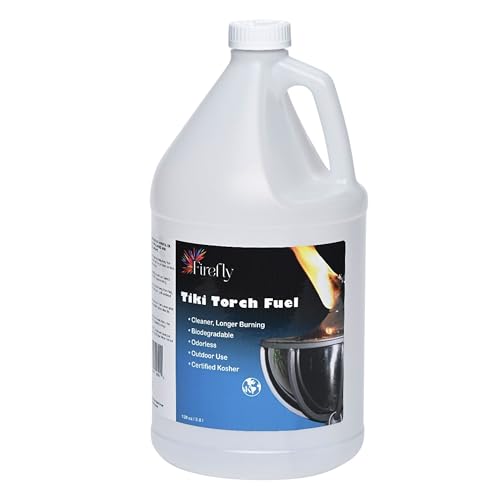
Firefly Tiki Torch Fuel - Clean-Burning Outdoor Lamp Oil
Firefly Fuel, Inc.
Mid-Range
Bio Ethanol Fireplace Fuel 6 x 1 Liter
Houswise
Mid-Range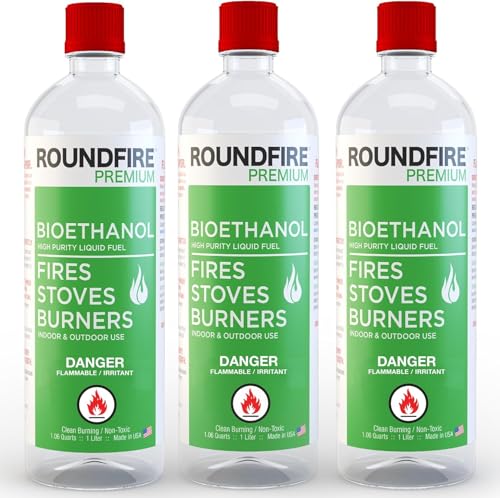
Roundfire Premium Ethanol Fuel - 3 x 1 Liter
Roundfire
Budget
Smoak Firewood Tiny Pizza Oven Wood 5-6in White Oak
Smoak Firewood
Mid-Range
Smoak Firewood Tiny Pizza Oven Wood - Red Oak, Kiln Dried (5-6in)
Smoak Firewood
Mid-Range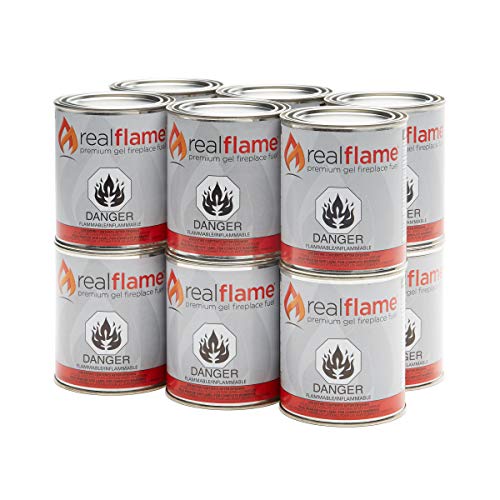
Real Flame Gel Fuel Cans - 12-Pack
Real Flame
Mid-Range
Bioethanol fireplace fuel for table pits (3 x 1 L)
MoonSoll
Budget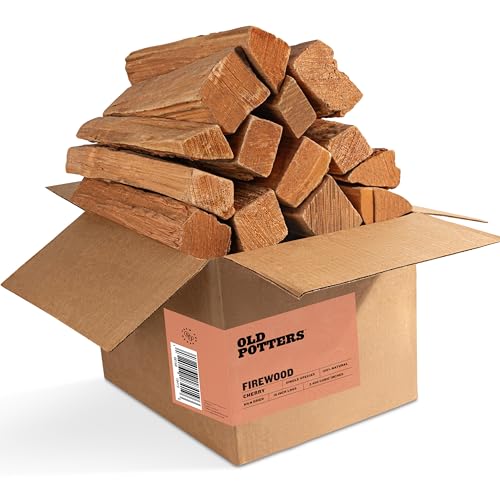
Old Potters Kiln Dried Firewood, Cherry, 16 inch logs
Old Potters
Mid-Range
Sunnyside Denatured Alcohol, Gallon, 2-Pack
Sunnyside Corporation
Mid-Range
Pizza oven wood 5 inch hickory firewood (1,000 cu in) kiln dried
FiveOaks Firewood
Mid-Range
ROUNDFIRE Premium Bioethanol Fuel for Fireplaces and Burners
Roundfire
Mid-Range
Bio Ethanol Fireplace Fuel 1 Liter for Tabletop Fire Pits
Houswise
Mid-Range
Sterno Firepit Gel Fuel, 6-pack - 3 hr burn, smokeless flame
Sterno
Budget
Bio Ethanol Fireplace Fuel 3 x 1 Liter
Houswise
Mid-Range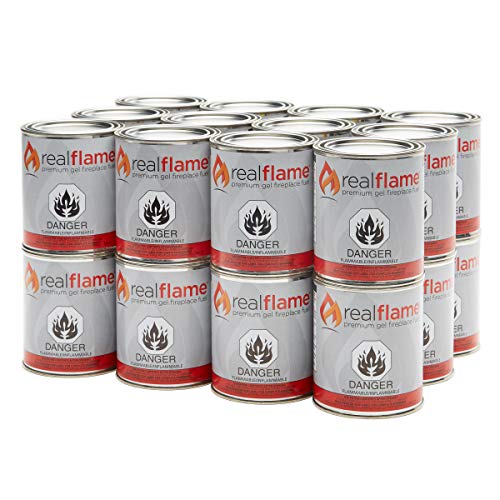
Real Flame Gel Fuel Cans - 24 Pack for Indoor/Outdoor Fireplaces
Real Flame
Mid-Range
Old Potters Kiln Dried Hickory Firewood – 16 inch logs (~1.5 cu ft, 38-45 lbs)
Old Potters
Mid-Range
Pine Mountain 100% Natural Classic Firelog (6 logs)
Pine Mountain
Budget
Firefly Tiki Torch Fuel — Clean-Burning Outdoor Lamp Oil (5 gal)
Firefly
Premium
Sterno Firepit Gel Fuel 12-Pack, 3-Hour Burn, Smokeless
Sterno
Mid-Range
Duraflame Fire Log 18 Pack – 4.5 lb, 3 Hour Burn Time
Duraflame
Mid-Range
Sterno Firepit Gel Fuel 24-Pack, 3-Hour Burn, Smokeless
Sterno
Mid-RangeRoundups
Frequently Asked Questions
How do I choose the right type of fuel for my fireplace or stove?
Match the fuel to your appliance: seasoned hardwood or kiln-dried firewood for wood-burning fireplaces and stoves, manufactured logs or fire bricks for gas or ethanol inserts that specify compatibility, and gel or wick fuels for portable tabletop fireplaces; always check your appliance manual for approved fuel types and venting requirements
What factors affect how much fuel I will need and how long it will last?
Fuel consumption depends on appliance heat output, burn rate of the fuel (hardwoods burn longer than softwoods), stove efficiency, desired indoor temperature, and burn duration; estimate usage by appliance BTU output and typical cord or bag burn times, and plan seasonal quantities accordingly
Are there safety considerations I should know before buying and using fireplace fuels?
Store fuels in a dry, ventilated area away from open flames, follow manufacturer instructions for lighting and extinguishing, never use unapproved accelerants, ensure proper chimney or vent maintenance, and use screens or doors to contain embers and reduce carbon monoxide risk with appropriate detectors installed
How do I evaluate fuel quality and what labels or features matter?
Look for moisture content (kiln-dried or <20% for wood), consistent size and shape for manufactured logs or firebricks, odor-free gel or wick fuels for indoor use, and clear labeling about composition and burn time; higher-quality fuels burn cleaner and more predictably
What are the cost and environmental trade-offs between different fuel types?
Seasoned hardwoods often cost more per cord but produce longer, hotter burns with less smoke; softwoods and kindling are cheaper but burn faster; manufactured fuels offer convenience and cleaner emissions but can be pricier; consider local availability and emissions regulations for environmental impact
How should I store fireplace and stove fuels to maintain quality?
Keep wood off the ground on a raised, ventilated rack under cover to stay dry, store manufactured logs and gels in their original sealed packaging in a cool dry place, and rotate stock so older fuel is used first to preserve burn performance
What maintenance should I perform on my appliance when using these fuels?
Regularly clean ash and soot, have chimneys or vents inspected and swept annually if you burn wood or solid fuels, check seals and gaskets on doors and inserts, and follow any manufacturer-recommended maintenance intervals to maintain efficiency and safety