Home Air Ionizers
Home air ionizers for residential use that help reduce airborne particles and odors through ion generation; offerings range from compact desktop units to larger room models. The category includes about 35 products, averaging a 4.50 rating and mid-range pricing (roughly $33–$200, avg $76), with brands like TTDMK represented
Top Products

Airthereal MA5K Ozone Generator with 120-Min Timer
AIRTHEREAL
Mid-Range
Ozone Generator 128,000mg/h – Odor Removal, Portable
TTDMK
Mid-Range
Air Ionizer Plug-In Negative Ion Purifier
Vnitoz
Mid-Range
Airthereal MA5000 Ozone Generator for odor removal
AIRTHEREAL
Mid-Range
0zone Generator 65000mg O3 Air Purifier for Home & Car
Medvoe
Mid-Range
Enerzen Ozone Generator 60,000mg Air Purifier Deodorizer
Enerzen
Mid-Range
Ozone Generator 60,000 mg/h High Capacity Ozone Machine
TTDMK
Budget
Ozone Generator 78,000 mg/h (Black) for odor removal
TTDMK
Mid-Range
Medvoe 0zone Generator 45000mg O3 Air Purifier for Home & Car
Medvoe
Mid-Range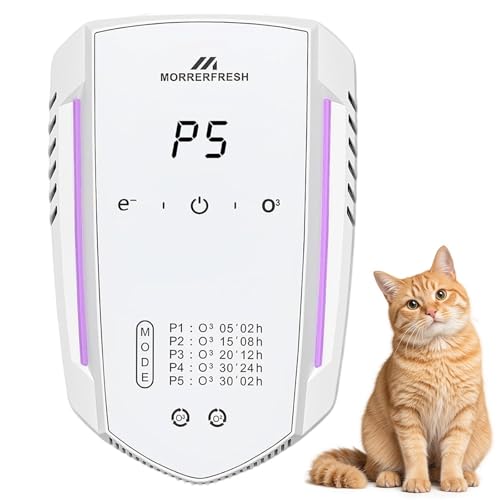
Cat litter deodorizer odor eliminator for home
Morrerfresh
Mid-Range
Ozone Generator Odor Eliminator 70,000mg for large spaces
onamor
Mid-Range
Clarifion Air Ionizers for Home (1 Pack) – Portable, plug-in filterless purifier
Clarifion
Mid-Range
PowerScale Ozone Generator 90,000 mg/h with Intelligent Control
PowerScale
Mid-Range
Plug-In Air Purifier 4 Pack with Negative Ion Purifiers
Wdaua
Mid-Range
Ozone Generator 128k mg/h – odor removal for home, car, office
TTDMK
Mid-Range
CREWORKS ozone odor machine with timer display
CREWORKS
Mid-Range
ONAMOR Ozone Generator 80000mg, Odor Removal for Home and Car
onamor
Mid-Range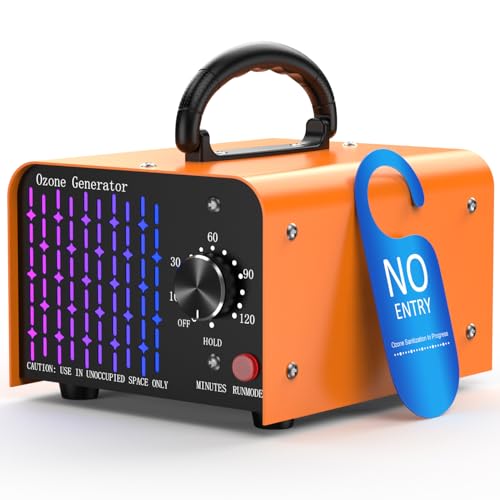
Ozone air purifier 80k mg/h for home and car
Medvoe
Mid-Range
Ozone Generator & Ozone Water 38,000 mg/h, 2-in-1 Odor Removal
TTDMK
Mid-Range
JOSTART air ionizers for home (6 pack) – negative ion tech
JOSTART
Mid-Range
Ozone Generator 48,000mg, Odor Removal for Large Spaces
hadlook
Mid-Range
Ozone odor eliminator with negative ions for air purification
ICARE
Mid-Range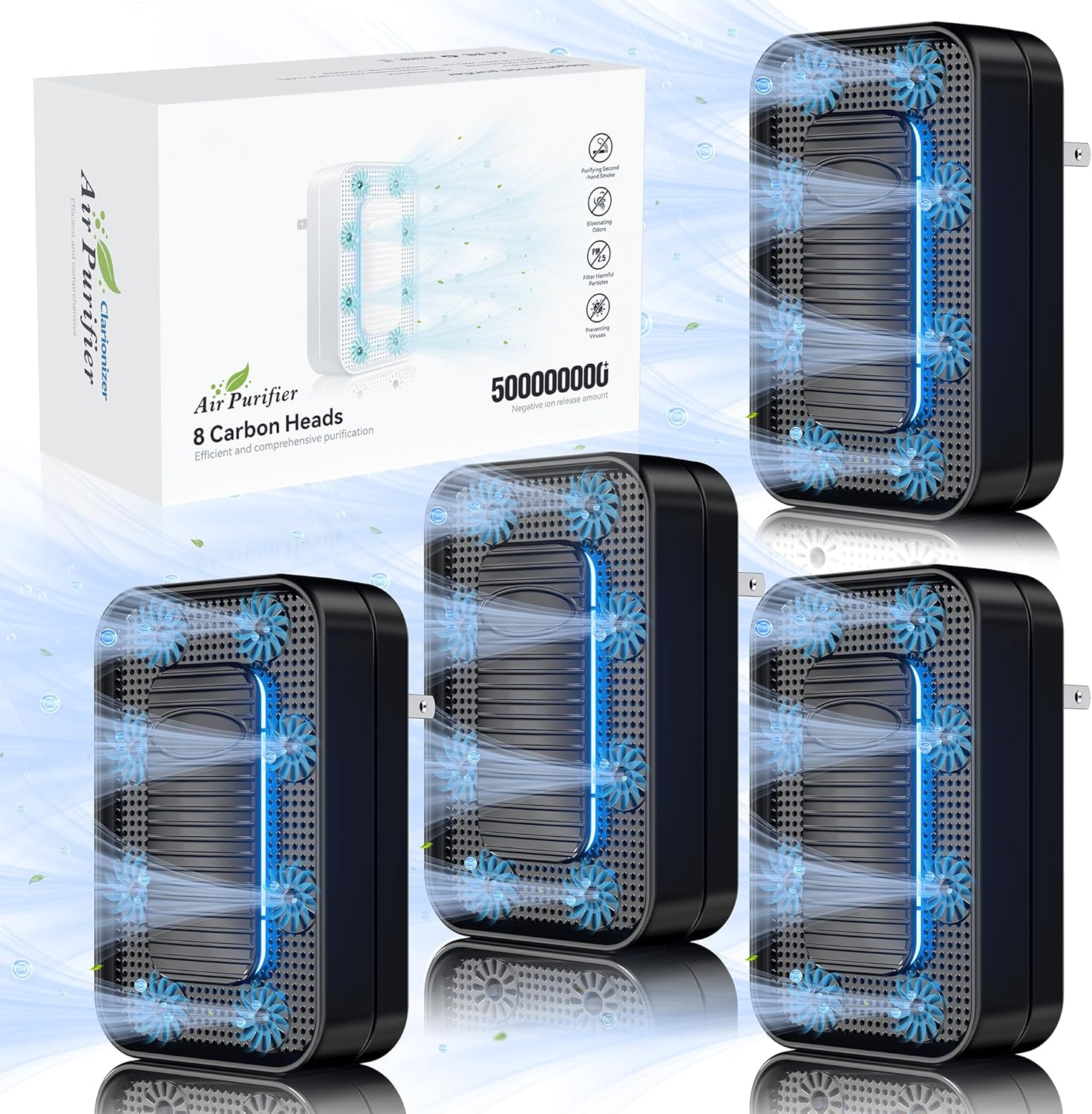
Air Ionizers for Home (4 Pack) - 500M/s Negative Ion Purifier with Odor Elimination
REPBLER
Mid-Range
Verdecore 120,000mg/h Ozone Generator & Air Purifier
VERDECORE
Mid-RangeRoundups
Frequently Asked Questions
How does a home air ionizer work and what does it actually remove from the air?
Air ionizers release negative ions that attach to airborne particles (dust, pollen, smoke, pet dander), causing them to clump and either settle out of the air or be captured on a collection plate; they are most effective for particulates but do not chemically remove gases or many VOCs
How do I choose the right size ionizer for my room?
Match the ionizer's recommended room size or CADR-equivalent guideline to your room square footage; choose a unit rated for at least the area of the room and consider higher capacity for open-plan spaces or rooms with persistent odors or heavy particle loads
Are there safety concerns I should know about, such as ozone emissions?
Some ionizers produce small amounts of ozone as a byproduct; look for units tested against established ozone emission limits (e.g., under 50 ppb in many jurisdictions) and avoid models that advertise ozone generation as a selling point if you are sensitive to respiratory irritation
How do ionizers compare to HEPA air purifiers?
Ionizers are effective at removing fine particulates by charging them, while HEPA purifiers physically trap particles in a filter and are generally more reliable for continuous particle removal; for allergen control, HEPA units or systems that combine HEPA filtration with ionization are often recommended
What maintenance is required and how often should I clean an ionizer?
Maintenance typically involves wiping down collection plates or electrodes every 1–3 months and checking any pre-filters; follow manufacturer instructions, as frequency depends on usage and indoor particle load
How much do home air ionizers typically cost and what should I expect at different price levels?
Home air ionizers in this category commonly range from budget options under $50 to higher-feature units above $150, with an average around $75; lower-priced models cover smaller rooms and have basic controls, while higher-priced units offer larger coverage, better construction, and additional features such as multi-speed fans or combined filtration
Can ionizers help with allergies and asthma?
Ionizers can reduce airborne particulates that trigger allergies by causing them to settle or be collected, but they may be less effective than HEPA filtration for continuous removal; people with asthma or severe allergies should consult clinical guidance and consider combined HEPA+ionizer solutions