Indoor Compost Bins
Indoor compost bins for kitchens and indoor spaces, including tumblers, countertop pails, and odor-control containers for food scrap storage and vermicomposting. The category spans budget through premium options (18 products, average rating 4.51) with brands like simplehuman and LINSSEN represented and an average price near (price varies)
Top Products

Epica Countertop Compost Bin, 1.3 gal, stainless steel
Epica
Mid-Range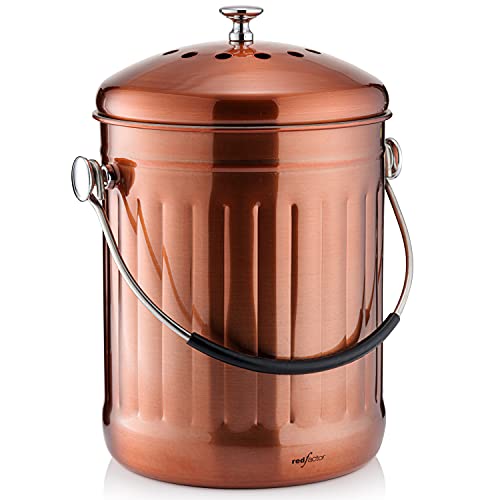
RED FACTOR Premium Stainless Steel Compost Bin
RED FACTOR
Budget
Utopia Kitchen 1.3 Gal Stainless Steel Indoor Compost Bin
Utopia Kitchen
Budget
RED FACTOR Premium Compost Bin for Kitchen Countertop
RED FACTOR
Mid-Range
RED FACTOR Stainless Steel Compost Bin for Kitchen Counter
RED FACTOR
Mid-Range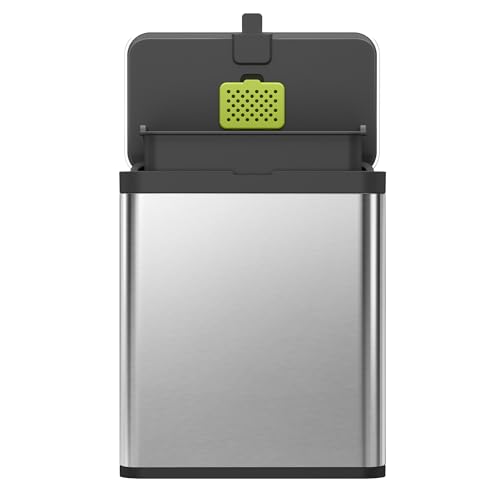
EKO 7L stainless steel kitchen compost bin
EKO
Budget
stonespace small trash can with lid for cabinet
stonespace
Budget
stonespace under-sink compost bin with lid, 3.2 gal wall-mounted
stonespace
Budget
Kitchen compost bin with odor-free lid and filter
KIBAGA
Budget
Kitchen compost bin with odor control lid, rust-proof
KIBAGA
Budget
Stainless steel hanging trash can with lid (2 gal)
LINSSEN
Budget
Stainless Steel hanging trash can with lid, 2 gal, white
LINSSEN
Budget
simplehuman 4L compost caddy with removable inner bucket
simplehuman
Mid-Range
Stainless steel hanging trash can with lid and inner bin
LINSSEN
Budget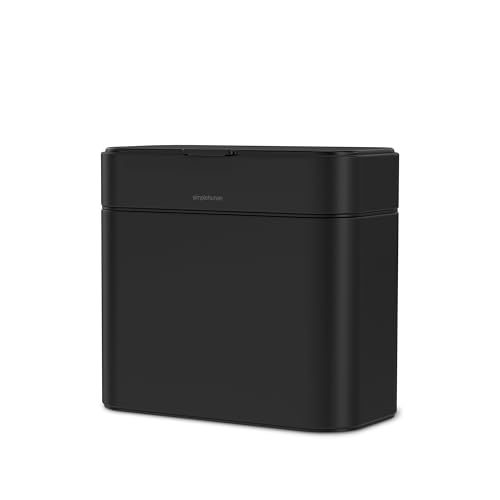
simplehuman Compost Caddy, detachable 4L countertop bin
simplehuman
Mid-Range
simplehuman Compost Caddy - detachable 4L white
simplehuman
Mid-Range
4L electric kitchen composter with smart modes
MERIOR
Premium
Lomi 2 3L Electric Composter with 45 cycles
LOMI
PremiumRoundups
Frequently Asked Questions
How do I choose the right size indoor compost bin for my household?
Choose based on how much food waste you produce and available counter or countertop space; small kitchens typically suit 1–3 gallon bins while families or heavy cooks may prefer 5–7+ gallon units or a countertop bin plus a larger under-sink container
What features should I look for to control odors and pests?
Look for airtight lids or silicone seals, charcoal or carbon filters, and ventilated designs that balance airflow; materials like stainless steel or hard plastic are easier to clean and less absorbent than untreated wood
Are indoor compost bins suitable for all types of food scraps?
Most indoor bins accept fruit and vegetable peels, coffee grounds, and eggshells; avoid raw meat, fish, dairy, and oily foods unless the bin is intended for bokashi or sealed fermentation systems designed to handle those materials
How often do I need to empty and clean an indoor compost bin?
Empty frequency depends on capacity and waste volume — typically every few days to two weeks — and clean with hot, soapy water or a vinegar solution as needed to prevent residue buildup and odors
Which materials and finishes are most durable and easy to maintain?
Stainless steel and high-density, BPA-free plastics resist stains and odors and are easy to wipe down; matte painted finishes can show wear, while powder-coated or brushed stainless finishes hide fingerprints better
What is the typical price range and value considerations for indoor compost bins?
Indoor compost bins commonly range from budget options under $50 to higher-end units around or above $100; consider capacity, filter replacement cost, material quality, and included accessories when assessing value
Can I use food-safe liners or compostable bags with indoor bins?
Yes; many users line bins with compostable or reusable liners to reduce cleaning, but verify bag compatibility with your local composting program if you plan to dispose of the filled bag in municipal organics