Pottery & Modeling Clays
Handmade and studio-ready clays, kits, and tools for pottery, sculpting, and home decor projects, including air-dry, polymer, and ceramic modeling materials. The 47 indexed products average a 4.52 rating and span roughly $32–$90, with brands like Sculpey and ReArt represented
Top Products

Sculpey III Sampler Pack: 30 Colors Polymer Clay
Sculpey
Budget
Sculpey Original Clay, 3.75 lb, White
Sculpey
Budget
CiaraQ polymer clay set with 60 colors and tools
CiaraQ
Budget
Monster Clay Premium Modeling Clay 4.5lb
The Monster Makers
Budget
Aestd-ST Polymer Clay Kit with 72 Colors and 19 Tools
Aestd-ST
Budget
BOHS Primary Foam Clay in Red, Blue & Yellow (3 pcs, 3.3 Lbs)
BOHS
Budget
CiaraQ polymer clay kit with sculpting tools, 86 colors, 5.31 lb
CiaraQ
Mid-Range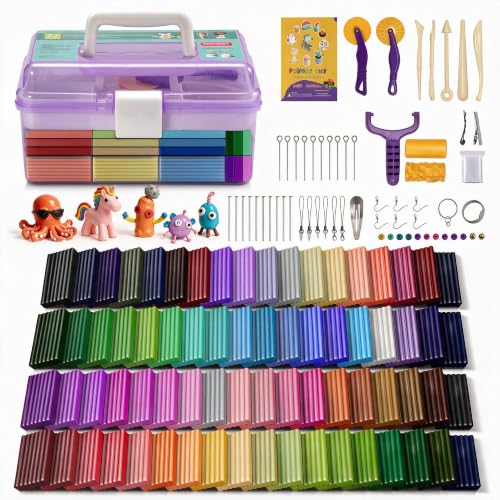
Aestd-ST Polymer Clay 72 Colors Kit
Aestd-ST
Budget
Sculpey Beige Oven-Bake Clay (1 lb) - Pack of 3
Sculpey
Mid-Range
Halloween polymer clay cutters set, 30 shapes for jewelry
Keoker
Budget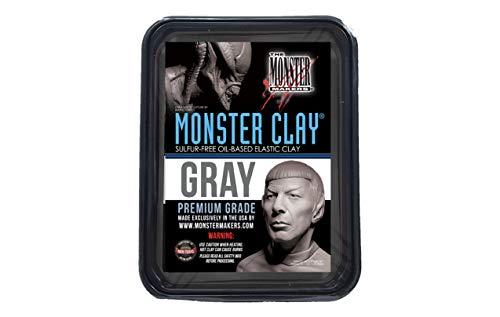
Monster Clay Premium Modeling Clay (Gray - Medium - 4.5lb)
The Monster Makers
Budget
Polymer Clay Set 72 Colors with Sculpting Tools for Kids
CyAJM
Mid-Range
BOHS 12-color Foam Modeling Clay set
BOHS
Budget
AMACO Sculptamold Modeling Compound – White, 3 lbs per bag, 2 bags
AMACO
Budget
Old Potters Air Dry Clay, White, 10 lbs
Old Potters
Budget
STAEDTLER FIMO Soft 30-Piece Polymer Clay Starter Kit
STAEDTLER
Budget
ReArt Oven Bake Polymer Clay White with Tools
ReArt
Budget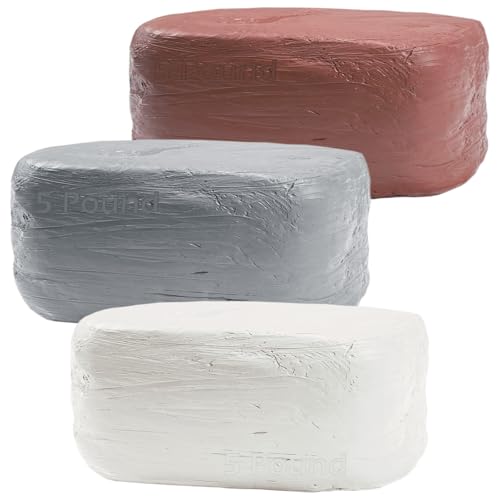
ReArt Air-Dry Clay 15LB with 3 Colors: White, Gray, Terra Cotta
ReArt
Budget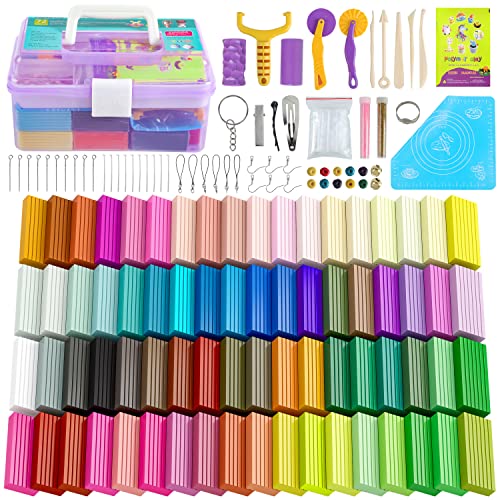
Polymer Clay 72 Colors with Tools & Storage Case
CyAJM
Budget
Keoker Christmas Clay Cutters 31 Pcs for Earrings
Keoker
Budget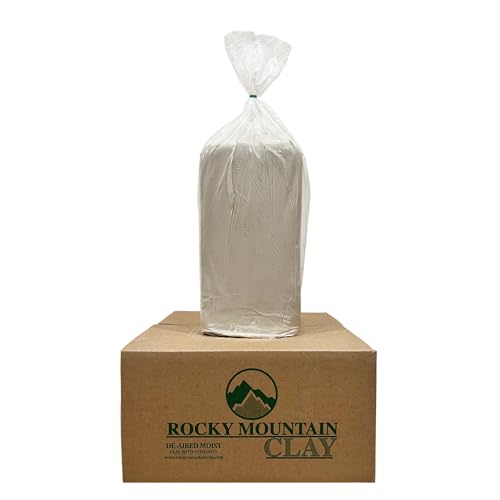
BMix 25lb Mid Fire Cone 6 Pottery Clay by Rocky Mountain Clay
Rocky Mountain Clay
Mid-Range
The Foamory Moldable Cosplay Foam Clay (900g) White
The Foamory
Mid-Range
Dover Cone 6-10 White Pottery Clay, 25lbs
Rocky Mountain Clay
Mid-Range
ReArt Natural Air-Dry Modeling Clay with 40-pc Tool Set (Gray) - 10 lbs
ReArt
BudgetRoundups
Frequently Asked Questions
How do I choose the right type of clay for home decor projects?
Select based on workability and final finish: air-dry clays cure at room temperature and are good for light decor pieces, polymer clays are oven-bake and hold fine detail and color, and ceramic/stoneware clays require kiln firing for durable, functional pottery
What skill level is needed for different clays and tools?
Air-dry and basic polymer clays are beginner-friendly with minimal tools, while wheel-throwing or kiln-fired pottery requires more practice and specialized equipment; intermediate tools like texture mats, cutters, and glazes help expand techniques
How should I budget for a home pottery or modeling clay setup?
Entry-level kits and blocks of clay often fall in budget ranges under $50, mid-range tools and larger clay bodies bring costs to around $50–$150, and investing in a wheel or kiln typically raises the budget into several hundred dollars
What key product features should I look for on labels?
Check for clay type (air-dry, polymer, earthenware, stoneware), curing method and temperature, shrinkage rate, recommended thickness, non-toxicity/safety certifications, and compatibility with paints, glazes, or sealants
How do I care for and store unused clay?
Keep polymer clay in a cool, dry place and sealed in airtight containers or bags; store air-dry clay similarly and use within the manufacturer’s recommended timeframe; for ceramic clays, wrap in plastic to prevent drying and store refrigerated if long-term storage is needed
Can finished pieces be used functionally (food, water) and how do I seal them?
Durability depends on clay and curing: kiln-fired stoneware can be glazed and made food-safe with appropriate glazes and firing; polymer and air-dry clays are generally decorative and should be sealed with non-toxic food-safe sealants only after verifying compatibility
What health and safety precautions should I follow while working with clays?
Work in a well-ventilated area, avoid inhaling dust from dried clay or sanding, wear gloves if you have sensitivities, follow manufacturer guidelines for oven or kiln temperatures, and keep tools and surfaces clean to prevent contamination