Pottery Wheels & Accessories
Pottery Wheels & Accessories for home comfort and decor include electric and kick wheels, wheel-heads, bats, foot pedals, and trimming tools suited for hobbyists and home studios. The category spans budget to mid-range options (about $33–$230, avg ~(price varies)) and features brands like VEVOR among 48 indexed products with an average rating of 4.28
Top Products

US Art Supply Large 12" Sculpting Wheel with Ball Bearings
US Art Supply
Mid-Range
US Art Supply Sculpting Wheel with All-Metal Construction
US Art Supply
Budget
HighFree Large 12 inch Sculpting Wheel with All-Metal Construction
HighFree
Mid-Range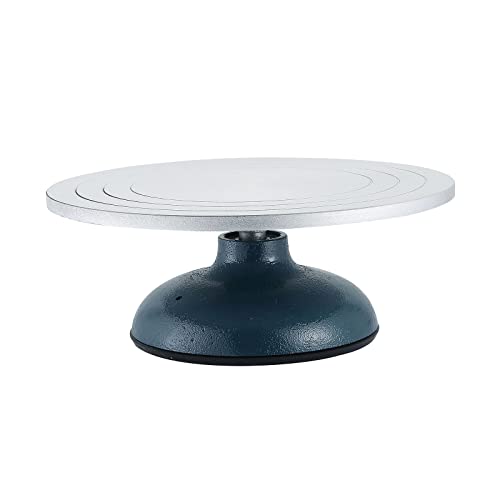
MYFULLY 12'' Sculpting Pottery Wheel with Cast Iron Base
MYFULLY
Budget
VEVOR Mini Pottery Wheel, 30W, 0-300RPM, 2 turntables, blue, 17 accessories
VEVOR
Budget
Falling In Art 7 Inch Pottery Wheel with metal banding
Falling in Art
Budget
Falling in Art 12 Inch Pottery Wheel (Banding Wheel)
Falling in Art
Mid-Range
TingingYuli Kids Pottery Wheel Kit (Pink/Purple) - Complete Craft Set for Beginners
TingingYuli
Budget
TingYuli Kids Pottery Wheel Kit for Beginners (Yellow/Cyan)
TingingYuli
Budget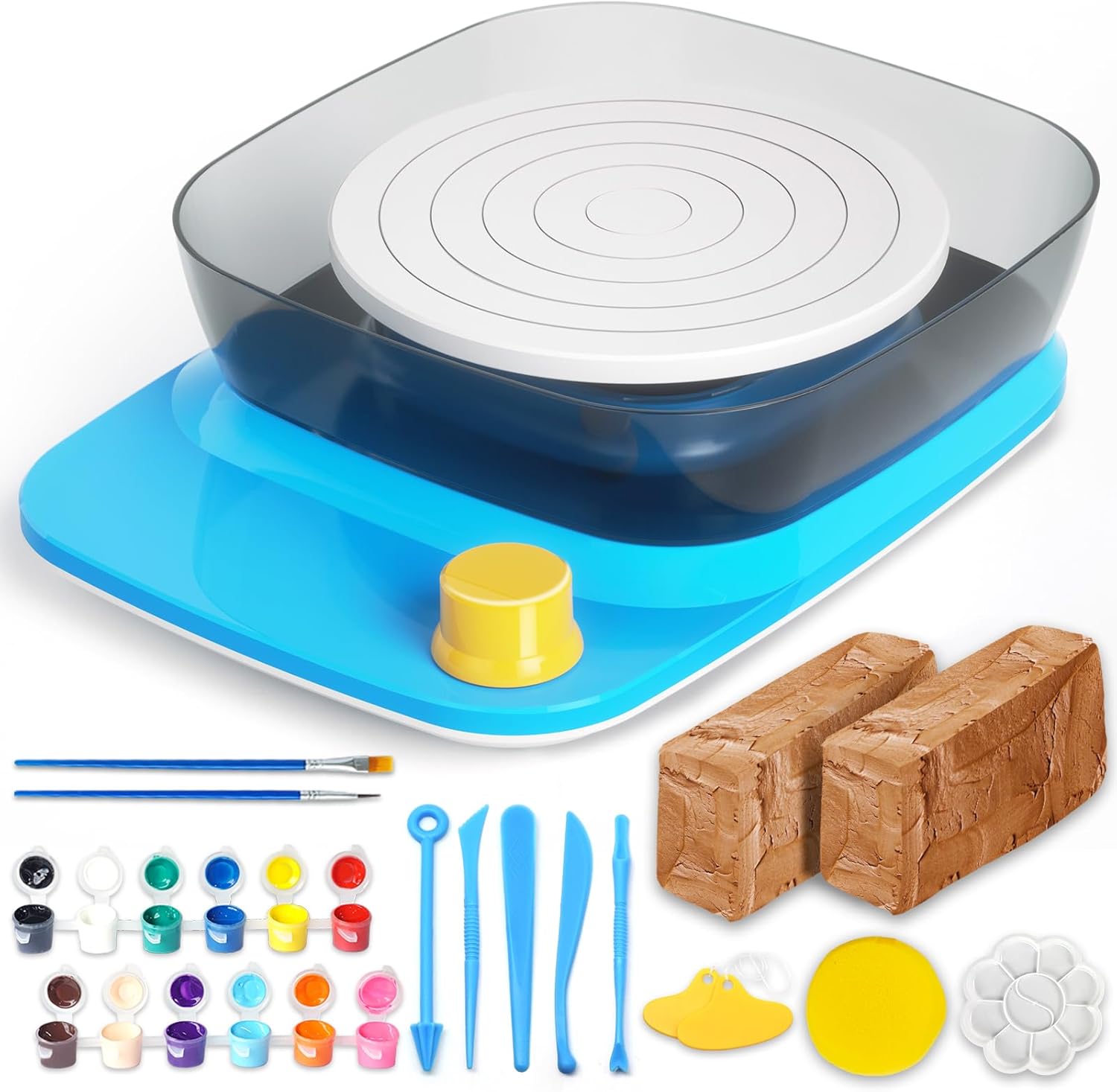
Catcrafter pottery wheel kit for kids and teens
Catcrafter
Budget
Lehoo Castle Pottery Wheel Kit for Kids
Lehoo Castle
Budget
Yncotte 12 Inch Sculpting Wheel with Aluminum Alloy Body
Yncotte
Mid-Range
VEVOR Mini Pottery Wheel with 2 Turntables, 0-320RPM, 18pc Tool Set, Green
VEVOR
Budget
Pottery wheel kit for kids and beginners (grey) with complete sculpting set
Catcrafter
Mid-Range
VEVOR 30W Mini Pottery Wheel Kit for Kids
VEVOR
Budget
Pottery Wheel Kit for Beginners, 6" Turntable, 2.2 lb Air-Dry Clay
Insnug
Mid-Range
Skirfy kids pottery wheel and painting kit
Skirfy
Mid-Range
VEVOR Mini Pottery Wheel with Complete Kit
VEVOR
Mid-Range
VEVOR 11inch Pottery Wheel with 350W motor and foot pedal
VEVOR
Mid-Range
Pottery Wheel Complete Set for Beginners and Teens (Blue)
Catcrafter
Mid-Range
Pottery wheel set for beginners with tools and clay (red)
Catcrafter
Mid-Range
VEVOR Mini Pottery Wheel with 2 Turntables, 0-320RPM, 18pcs Accessories, White
VEVOR
Budget
VEVOR Mini Pottery Wheel with 2 Turntables, 0-320RPM, 18pc Accessories, Pink
VEVOR
Budget
TingingYuli Kids Pottery Wheel Kit with Tools
TingingYuli
BudgetRoundups
Frequently Asked Questions
How do I choose the right pottery wheel for home use?
Consider motor power and speed control (stronger motors and variable speed help with larger pieces), wheel head diameter (10–14 inches suits most home projects), build quality and weight (heavier units are more stable), and whether you prefer an electric or kick wheel; also check included accessories and warranty coverage
What accessories are essential for a beginner potter?
Basic essentials include a sturdy bat system or removable wheel head, trimming tools and ribs, a sponge and bucket, a wire clay cutter, a splash pan, and a kick or foot pedal extension if not integrated; lightweight tool kits and spare bats make workflow easier at home
How much should I expect to spend on a home pottery wheel and accessories?
Home pottery wheels and basic accessory kits span wide ranges; budget wheels and starter kits can be found under $100, mid-range quality wheels commonly fall between $100 and $400, and professional-grade equipment typically costs more; expect to add occasional expenses for clay, glazes, and tools
What maintenance is required to keep a pottery wheel working well?
Regularly clean clay and water from the wheel head, splash pan, and foot pedal area; check and tighten belts or fasteners per the manufacturer’s instructions, lubricate moving parts if specified, and store the wheel in a dry place to prevent rust and motor issues
Are electric wheels or manual (kick) wheels better for home hobbyists?
Electric wheels offer consistent speed control and are easier for beginners and those making multiple pieces, while kick wheels provide a tactile, low-maintenance experience and no electricity requirement; choose based on your preference for control, physical effort, and budget
What should I look for in wheel speed and torque specifications?
Look for variable speed control with a smooth range from low to high RPMs (useful for centering vs shaping) and sufficient torque to handle the clay body and vessel size you plan to make—higher torque helps when working with heavy or wet clay at lower speeds
How do I assess durability and build quality when shopping online?
Check listed materials for the wheel head and frame (steel or cast components are more durable), read aggregated user ratings and reviews for common failure points, verify warranty length and scope, and prefer brands known for replacement parts and customer support