Quilting Cutting Mats
Quilting cutting mats include self-healing and grid-marked mats in various sizes and thicknesses for fabric cutting, rotary cutting, and pattern work. The category spans budget through premium options (92 products, average rating 4.67) and features brands like Fiskars and Dahle
Top Products
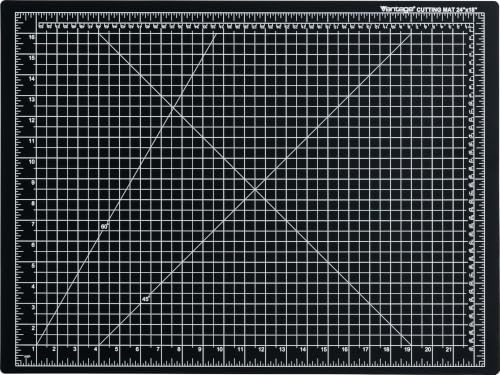
Dahle Vantage Self-Healing Cutting Mat 18x24 with 1/2in grid
Dahle
Budget
ZERRO Self Healing Cutting Mat 24" x 36" dual-sided
ZERRO
Mid-Range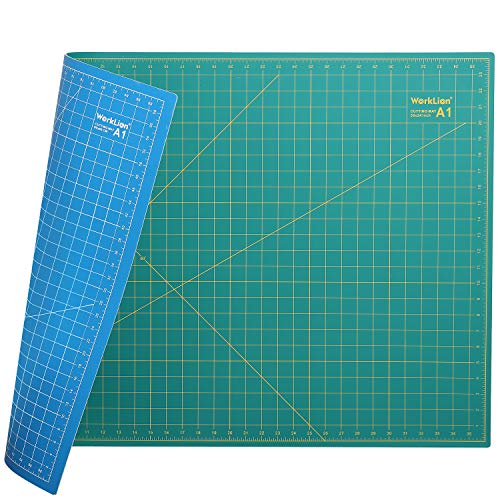
WORKLION 24" x 36" Self-Healing Cutting Mat, Double Sided
WORKLION
Budget
Dahle Vantage Self-Healing Cutting Mat 18x24, 5-layer
Dahle
Budget
Dahle Vantage Self-Healing Cutting Mat 18x24 with 1/2" grid
Dahle
Budget
Headley Tools Thickened 24 x 36 Inch Self-Healing Cutting Mat
Headley Tools
Budget
WORKLION Cutting Mat 24x36 in | Self-healing, double-sided grid
WORKLION
Mid-Range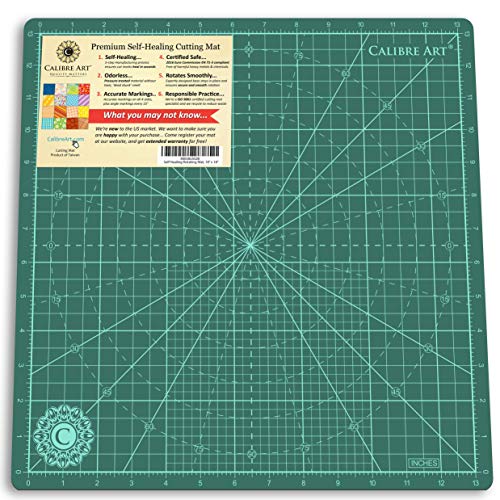
Rotating Cutting Mat 14x14 for Quilting & Art
Calibre Art
Budget
Density-upgraded 24" x 36" Self-Healing Sewing Mat, Idemeet A1 Green
Idemeet
Budget
Cricut Self Healing Cutting Mat 18 x 24 (Mint) for crafting
Cricut
Budget
Cricut 12x12 Adhesive Cutting Mat Variety Pack (LightGrip, StandardGrip, StrongGrip)
Cricut
Budget
Fiskars Self-Healing Cutting Mat with Grid, 18x24 (Lilac/Mountain Haze)
Fiskars
Budget
Self-healing cutting mat 24 x 36 in, 5-layer, double-sided
Headley Tools
Budget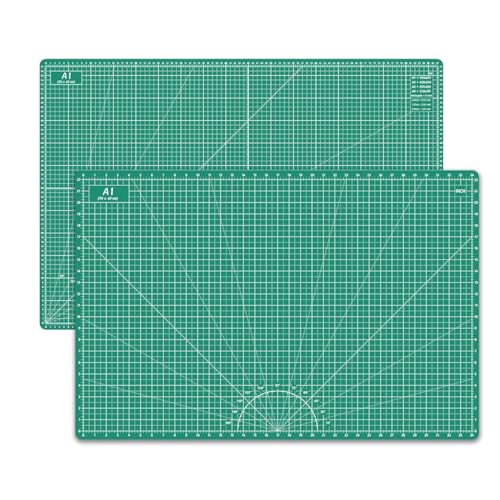
Headley Tools Thickened Self-Healing Cutting Mat A1 (24 x 36) Green
Headley Tools
Budget
Fiskars 18 x 24 Folding Cutting Mat for Travel and Storage
Fiskars
Mid-Range
Dahle Vantage 18x24 See-Through Cutting Mat, 5-layer Self-Healing
Dahle
Mid-Range
XNM Self-Healing Cutting Mat 24x36 in (A1) Dual-Sided
XNM Creations
Mid-Range
Dahle Vantage Self-Healing Cutting Mat 24x36, 5-layer
Dahle
Mid-Range
Elan A1 Cutting Mat, 24x36 inch, pink & purple
Elan
Mid-Range
U.S. Art Supply self-healing cutting mat 24" x 36" (double-sided)
U.S. Art Supply
Mid-Range
GBM 18 x 36 self-healing cutting mat, green/black
ALVIN
Mid-Range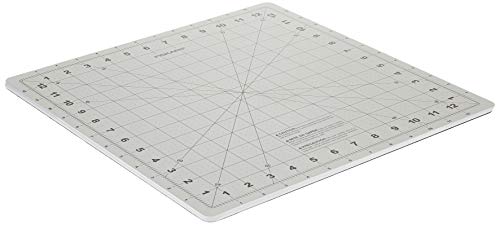
Fiskars 14x14 Rotating Cutting Mat for Quilting
Fiskars
Mid-Range
Elan A1 cutting mat, 24 x 36 in, self-healing 5-ply green
Elan
Mid-Range
Dahle Vantage Self-Healing Cutting Mat, 24"x36", 1/2" Grid
Dahle
Mid-RangeRoundups
- Best Quilting Cutting Mats for Quilting (2026)
- Best Quilting Cutting Mats for Fabric Cutting (2026)
- Best Quilting Cutting Mats for Quilting And Sewing (2026)
- Best Quilting Cutting Mats for Scrapbooking (2026)
- Best Quilting Cutting Mats Under $200 (2026)
- Best Quilting Cutting Mats Under $100 (2026)
- Best Quilting Cutting Mats Under $50 (2026)
- Best Quilting Cutting Mats (2026 Guide)
Frequently Asked Questions
How do I choose the right size cutting mat for quilting?
Select a mat that accommodates your largest blocks or quilt sections; common sizes are 12"×18", 18"×24", and 24"×36". Choose a larger mat if you frequently cut long strips or use a rotary cutter with rulers to avoid repositioning fabric
What thickness and surface features should I look for in a quilting cutting mat?
Look for a mat 2–3 mm thick for stability and durability; double-sided self-healing surfaces extend life by hiding cut marks, and printed grids, angle lines, and measurements help with accurate trimming. A non-slip backing or textured surface reduces shifting while cutting
Are self-healing cutting mats worth the extra cost?
Yes — self-healing mats close small cuts, preserving a smooth surface and protecting rotary blades, which prolongs both mat and blade life; they are standard for quilting and typically represent good value compared to non self-healing mats
How should I care for and store a quilting cutting mat to keep it flat and usable?
Store mats flat or hang them vertically in a cool, dry area away from direct sunlight and heat to prevent warping; clean with mild soap and water, avoid solvents, and rotate the mat periodically to distribute wear evenly
How do printed grids and angle markings differ between mats, and which are most useful?
Mats vary in grid density (1/4", 1/2", 1") and angle markings (30°, 45°, 60°); choose finer grids for precision piecing and rulers, and ensure common quilting angles like 45° are clearly marked for triangles and bias cuts
Can a quilting cutting mat protect my rotary blades and what else affects blade life?
A smooth, self-healing mat helps prevent premature dulling by offering a forgiving cutting surface, but blade life also depends on fabric type, cutting technique, and blade quality; rotating and replacing blades regularly maintains clean cuts
What price range should I expect for quilting cutting mats and does price reflect quality?
Mats commonly span budget options under $50 to higher-end specialty sizes above $100, with many solid choices around the market average; price can reflect size, thickness, double-sided printing, and brand reputation, but compare features rather than price alone