Room Dividers
Room Dividers category offers freestanding screens, folding panels, and decorative partitions for separating spaces and adding privacy or style in homes. About 254 indexed products average a 4.38 rating, with prices typically $34–$200 and brands like Sorbus represented
Top Products
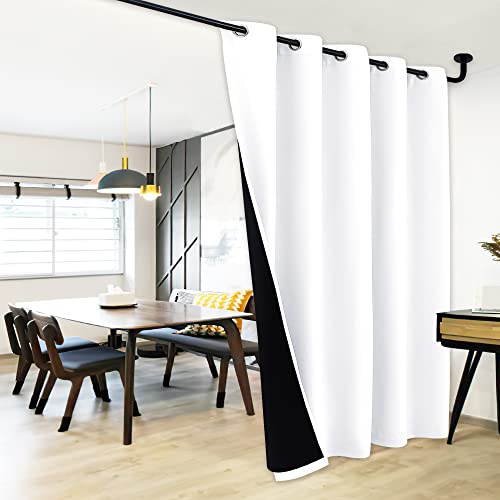
NICETOWN Room Divider Curtain Panel 108" x 70" White
NICETOWN
Mid-Range
NICETOWN room divider curtain panel, 8.3ft x 12ft, peacock blue
NICETOWN
Mid-Range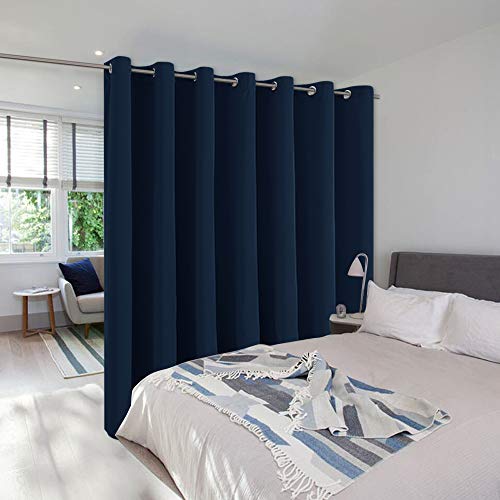
NICETOWN room divider blackout curtain, navy 12.5ft wide
NICETOWN
Mid-Range
NICETOWN Halloween Room Divider Curtain 8.3x9 ft
NICETOWN
Mid-Range
NICETOWN Halloween Room Divider Curtain, 8.3ft x 10ft, Black
NICETOWN
Budget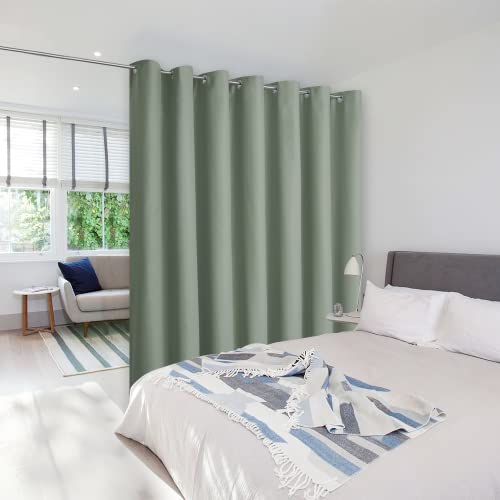
NICETOWN Greyish Green Room Divider Curtain
NICETOWN
Mid-Range
NICETOWN room divider curtain panel, greyish white, 8.3ft x 8ft
NICETOWN
Mid-Range
NICETOWN room divider curtain, black 12.5ft x 7ft
NICETOWN
Mid-Range
NICETOWN Halloween Room Divider Curtain 12.5ft Wide
NICETOWN
Mid-Range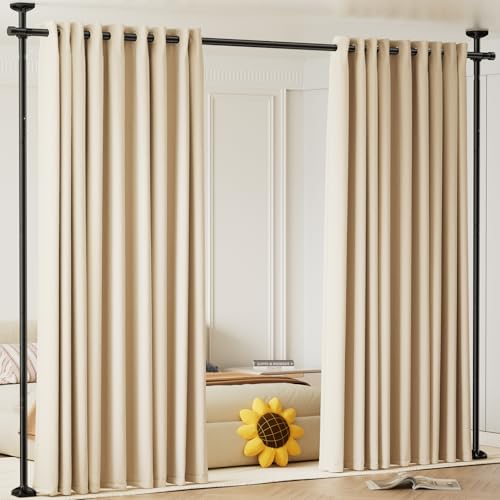
Bonpally No-Drill Room Divider Curtain Rod, 4-10ft
Bonpally
Mid-Range
NICETOWN Room Divider Curtain Panel, Stone Blue, 12.5ft x 8ft
NICETOWN
Mid-Range
Room Divider 4-Panel Wood Mesh Screen
FDW
Mid-Range
Room divider wood screen 4 panel with diamond pattern
FDW
Mid-Range
Room divider 4-panel wood screen with diamond pattern
FDW
Mid-Range
FDW 4-Panel Room Divider with Wood & Mesh Pattern
FDW
Mid-Range
NICETOWN Halloween Room Divider Curtain, 20ft x 9ft, Black
NICETOWN
Mid-Range
Rose Home Fashion 6 ft Tall Room Divider, 4-Panel Privacy Screen
Rose Home Fashion
Mid-Range
Room divider rod, no-drill freestanding tension curtain rod
SUNALLY
Mid-Range
FDW 4-Panel Room Divider Wood Screen
FDW
Mid-Range
Room divider four-panel wood screen with diamond mesh
FDW
Mid-Range
Room Divider Screen - Wood Mesh Woven Design (4 Panel, White)
FDW
Mid-Range
Room divider curtains with blackout option (grey, 100 x 84 in)
hoeflife
Mid-Range
RoomDarkning blackout room divider curtain 4.3ft x 7ft dark grey
RoomDarkning
Budget
Roundhill Oriental Shoji 4-Panel Room Divider
Roundhill Furniture
Mid-RangeRoundups
Frequently Asked Questions
How do I choose the right room divider for my space?
Measure the height and width of the area you want to divide, consider whether you need full floor-to-ceiling coverage or a partial screen, and choose a material (wood, fabric, metal, or rattan) that matches your room’s style and desired level of privacy and light filtration
What are the main types of room dividers and their benefits?
Common types include folding screens (portable, easy to reposition), panel dividers (stable, creates a permanent separation), hanging curtains (soft, flexible), and bookshelves or open shelving (storage plus separation); each varies in privacy, sound dampening, and decorative impact
How much should I expect to spend on a room divider?
Prices vary widely depending on size and materials; typical options range from budget models under $50 to higher-end designs several hundred dollars, with average prices for general consumer room dividers around $80–$90
What should I look for regarding stability and installation?
Check whether the divider has a solid base or anti-tip features, whether panels connect securely, and if wall anchors or mounting hardware are needed for taller or freestanding units to prevent tipping in high-traffic or child/pet households
How do I care for and clean different room divider materials?
Dust wooden and metal dividers regularly with a soft cloth, spot-clean fabric panels per manufacturer instructions (often mild soap and water), and avoid excessive moisture for natural materials like rattan or cane to prevent warping
Can a room divider improve acoustics or sound privacy?
Room dividers provide limited sound reduction; solid, dense materials and multi-layered or fabric-covered dividers absorb more sound than open or slatted designs, but they are not substitutes for dedicated acoustic treatments
What features enhance functionality for work-from-home or multi-use rooms?
Look for dividers with integrated shelving or fold-out desks for added utility, opaque panels for visual privacy during calls, and lightweight or folding designs that allow quick reconfiguration as needs change