Sculpture Modeling Compounds
Sculpture modeling compounds for home comfort and decor include air-dry clays, polymer and silicone molding materials used for decorative sculptures, repairs, and custom accents. The 18-product category averages a 4.67 rating, spans roughly $34–$118 with mid-range options, and features brands such as Aves and Smooth-On
Top Products

Liquitex Professional Light Modeling Paste 473ml
Liquitex
Budget
Professional-Grade Moldable Plastic Pellets for Crafting
Polly Plastics
Mid-Range
Apoxie Sculpt 2 Part Modeling Compound (A & B) - 1 lb, White/Stone White
Aves
Budget
Liquitex Modeling Paste 946ml
Liquitex
Mid-Range
Aves Apoxie Sculpt 2 Part Modeling Compound (A&B) – 1 lb (Black)
Aves
Budget
Aves Apoxie Sculpt 2-Part Modeling Compound (A & B) – 1 lb, Natural
Aves
Mid-Range
Apoxie Sculpt 2-part modeling compound (A&B) – 4 lb, white/stone white
Aves
Mid-Range
KAMENSKAYA Texture Fiber Modeling Paste for 3D Fabric Textures
KAMENSKAYA
Budget
Aves Apoxie Sculpt 2-Part Modeling Compound (A & B) - 1 lb Brown
Aves
Budget
Aves Apoxie Sculpt Super White 2-Part Modeling Compound (A&B) 1 lb
Aves
Budget
Free Form AIR epoxy dough (trial unit) by Smooth-On
Smooth-On
Mid-Range
Aves Apoxie Sculpt 2-part Modeling Compound (A & B) - 4 lb
Aves
Mid-Range
4 Pound White Epoxy Putty Sculpt Clay (2 Part) OAIEGSD
OAIEGSD
Mid-Range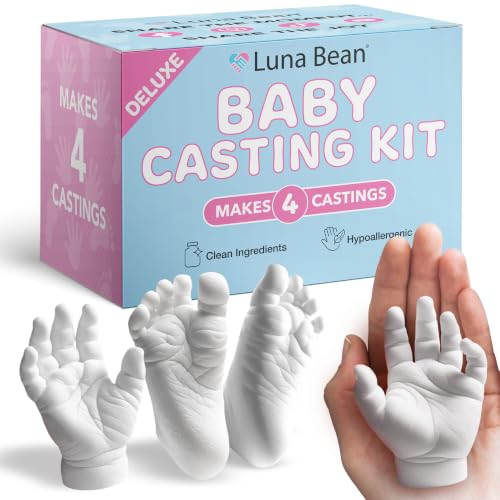
Luna Bean Baby Footprint & Hand Casting Kit (4 Pack)
Luna Bean
Mid-Range
Worbla Finest Art Thermoplastic Sheets – Medium
Worbla
Mid-Range
Modeling Compound for Volumetric Paintings and Reliefs
KAMENSKAYA
Budget
Satin Ice Ivory Modeling Chocolate 5 lb
Satin Ice
Mid-Range
Air - Mix & Apply-by-Hand Epoxy Dough (Gallon Unit) by Smooth-On
Smooth-On
Mid-RangeRoundups
Frequently Asked Questions
How do I choose the right sculpture modeling compound for home decor projects?
Choose based on hardness when cured (soft/flexible vs. rigid), workability (time before it sets and ease of smoothing), finish (matte vs. glossy and paintability), and intended use (indoor decorative pieces, food-safe cake toppers, or outdoor-sealed sculptures)
What are the common types of modeling compounds and their typical uses?
Common types include air-dry clays for small indoor decor and fine detail, epoxy and two-part polyurethanes for durable or outdoor pieces, silicone putties for molding and casting, and edible modeling pastes for cake decorations; each varies in cure method, strength, and toxicity
How should I budget for a sculpture modeling compound project?
Basic air-dry or modeling pastes often fall in budget options under $50 per package, while professional two-part resins and silicone materials are more expensive; factor in quantity needed, tools, sealants, and paints when estimating total cost
Are sculpture modeling compounds safe to use indoors and around pets or food?
Safety depends on the formulation: many art clays and edible pastes are non-toxic and suitable for food-related use, while resins and some solvents release fumes and require ventilation and gloves; always check the product's safety data sheet and food-safety labeling before use
How do I finish and preserve a finished sculpture for long-term display?
Allow full cure per product instructions, sand or refine surfaces as needed, then apply an appropriate sealer or varnish (water-based for porous clays, solvent-based or epoxy for durable finishes) and keep pieces out of direct sunlight and extreme humidity for longevity
What tools and accessories are commonly needed with modeling compounds?
Basic tools include sculpting knives and shaping tools, sandpaper, brushes for smoothing and applying finishes, mixing containers and spatulas for multi-part systems, and respirators for solvent-based products
How can I repair or modify a cured sculpture made from modeling compound?
Minor surface flaws can be filled with compatible putty or additional compound, sanded, and resealed; for structural repairs, use adhesives or matching two-part repair compounds recommended by the material manufacturer and allow full cure before refinishing