Sewing Fringe Trim
Sewing fringe trim includes decorative tassel and fringe ribbons used for upholstery, curtains, pillows and other home textile projects, with mid-range pricing (about $33–$160, average $48) across 12 indexed products. Offerings come from brands like HedongHexi and MTLEE and are rated an average of 4.61 stars
Top Products

DECOPRO 2 1/2" Bullion Fringe Trim Aquatic Blue #M17 10 Yard Value Pack
DECOPRO
Budget
DECOPRO 2 1/2" Bullion Fringe Trim Sage Green 10 yd
DECOPRO
Budget
Rhinestone fringe belt tassel ribbon for jeans
MTLEE
Budget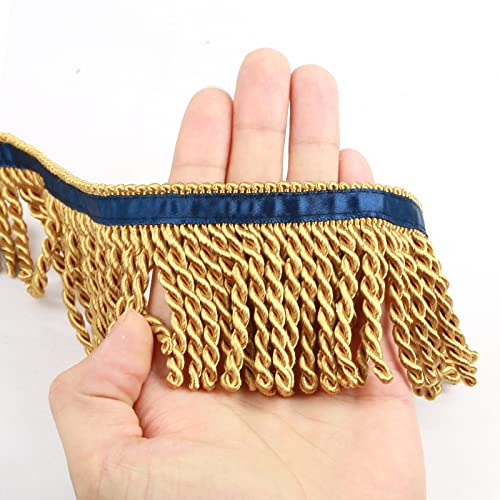
Bullion Fringe Trim 2.5in x 5/10yd Gold/Blue Ribbon
HedongHexi
Budget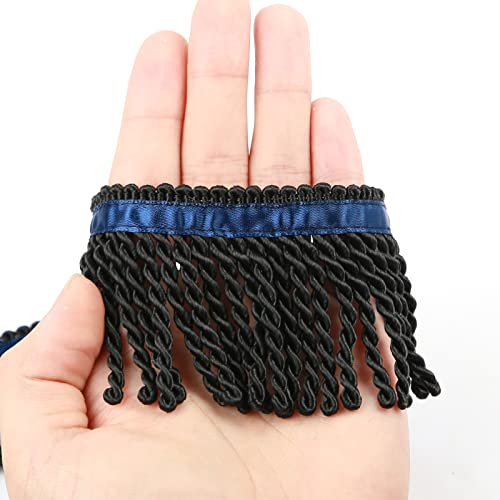
Bullion Fringe Trim 5/10yd x 2.5in Gold Blue Ribbon
HedongHexi
Budget
Bullion fringe trim 5/10 yd x 2.5 in fabric trim
HedongHexi
Budget
Rhinestone Fringe Belt with Beaded Trim - DIY Tassel Chain (Silver, 4 Yard)
MTLEE
Mid-Range
Rhinestone fringe belt tassel chain for jeans
MTLEE
Mid-Range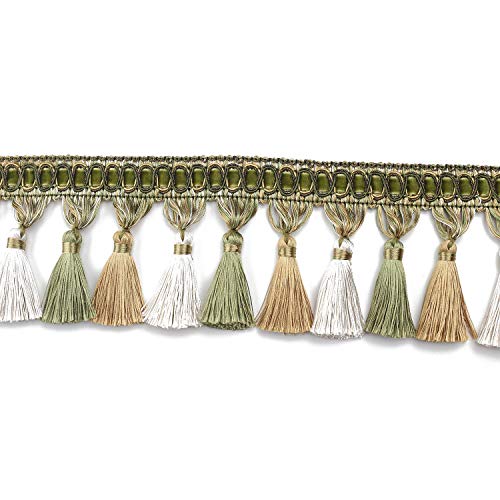
Fenghuangwu 6.5 yd Tassel Fringe Trim 10cm diameter green
fenghuangwu
Budget
Fenghuangwu Tassel Fringe Trim, 6.5 yard, 8cm diameter, DIY decor
fenghuangwu
Budget
Ostrich feather fringe trim, satin ribbon, 6-8 inch width, 2 or 10 yard pack
AWAYTR
Mid-Range
Royal Blue & White Vinyl Decoration Kit for Parade Trailers
Anderson's
PremiumRoundups
- Best Sewing Fringe Trim for Clothing Embellishment (2026)
- Best Sewing Fringe Trim for Home Decor Accents (2026)
- Best Sewing Fringe Trim for Curtains (2026)
- Best Sewing Fringe Trim Under $200 (2026)
- Best Sewing Fringe Trim Under $100 (2026)
- Best Sewing Fringe Trim Under $50 (2026)
- Best Sewing Fringe Trim (2026 Guide)
Frequently Asked Questions
How do I choose the right type and width of fringe trim for curtains, pillows, or upholstery?
Match the fringe width and weight to the project: narrow (1/4"–1") or lightweight fringe works for pillows and delicate curtains, while wider (1"–4") and heavier fringe suits drapery hems and upholstery. Consider pile, beaded, or braided styles for the look you want and check the trim’s backing and stitch spacing for easy sewing or gluing
What materials are common for fringe trim and how do they affect durability and appearance?
Common materials include polyester, rayon, cotton, and blends; polyester and rayon resist wrinkling and hold sheen well, cotton looks matte and soft but may wear faster. Synthetic blends generally offer greater colorfastness and durability for high-use items
How should I care for items trimmed with fringe to keep the trim looking good?
Follow the trim and base-fabric care labels; when labels are unavailable, spot-clean or hand-wash gently and air-dry to avoid tangling. Use low-heat ironing with a cloth over the trim if needed, and brush fringe gently to restore shape
What is a reasonable budget for sewing fringe trim in the home decor category?
Trim prices vary by material and design; expect budget options under $25 for simple trims and decorative or heavy trims to run into higher price brackets, with many home-decor quality trims averaging in the mid-range around typical price points for specialty trims
Can I machine-sew fringe trim, and what sewing techniques work best?
Yes, many fringe trims can be machine-sewn; use a straight stitch or narrow zigzag and sew near the backing rather than through hanging threads to preserve the fringe. Test on scrap fabric to adjust stitch length, tension, and needle size
How much fringe trim should I buy for a project to account for pattern matching and waste?
Measure the total length of the edges to be trimmed and add 10–20% extra for matching patterns, overlap at seams, and mistakes; for directional or patterned trims, add toward the higher end of that range
Are there eco-friendly or washable fringe options suitable for frequent-use items?
Look for trims made from natural fibers like cotton or those labeled pre-washed/colorfast; some polyester blends are also machine-washable and durable—check product specifications for washability and fiber content to ensure suitability for frequent use