Sewing Rulers
Sewing Rulers features measuring and marking tools for quilting, dressmaking, and fabric crafts, including clear grid rulers, curve templates, and specialty guides. Ten items average 4.63 stars and mid-range pricing (about $32–$41), with brands like KEARING represented
Top Products

Fiskars 3-Piece Ruler & Connector Set (6.5x6.5, 6.5x24.5) for precise alignment
Fiskars
Mid-Range
16" Imperial Acrylic Pattern Master Ruler for Fashion Design
KEARING
Budget
French Curve Ruler 24 Inch Aluminum for Pattern Making, Sewing, Quilting & Design
KEARING
Budget
Acrylic T-Square Ruler Set 4pcs 6/12 inch
BAOFALI
Budget
Acrylic T-Square Ruler set, 12in/30cm, cm & inch
BAOFALI
Budget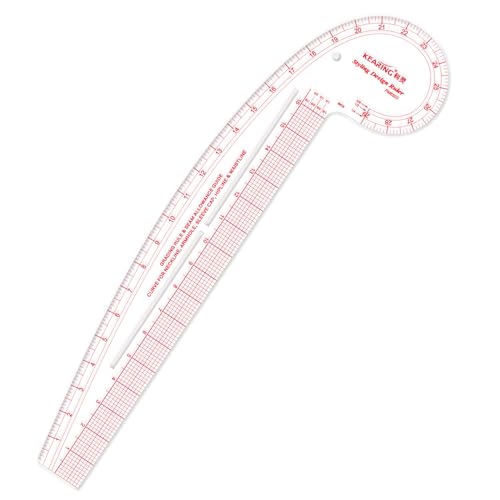
29" curve & 16" straight styling ruler for sewing
KEARING
Mid-Range
Imperial Pattern Master Designer Ruler for Sewing
KEARING
Mid-Range
QT Fabrics Glow Ruler CM23GL
QT Fabrics
Budget
L-Square Curve Ruler for Pattern Making, 24x14in / 60x35cm
KEARING
Mid-Range
Left Chest Logo Placement Tool for T-Shirts
Urboni
BudgetRoundups
Frequently Asked Questions
How do I choose the right sewing ruler for my projects?
Choose by shape and purpose: straight rulers and quilting rulers for measuring and cutting long edges, square or L-shaped rulers for seam allowances and squaring blocks, and curved rulers for hems and armholes; pick a size that fits your fabric pieces and a clear, marked grid for accuracy
What material and markings should I look for in a sewing ruler?
Acrylic is common for transparency and stability; look for high-contrast, laser-etched or printed markings in inches and fractions (or metric) with gridlines, angle guides (30/45/60°), and fractional markings for precise cutting and seam allowance measurements
Are there recommended sizes or shapes for quilting versus garment sewing?
Quilters often prefer larger square or rectangular rulers (e.g., 6x24, 8.5x11) for trimming blocks and strips, while garment sewers benefit from smaller rulers, L-squares, and flexible curve rulers for pattern adjustments and curved edges
How much should I expect to spend on a quality sewing ruler?
Prices vary by size and brand; expect budget options under $20 for basic small rulers and approximately $20–$60 for larger, branded quilting rulers and specialty shapes, with averages clustering in the mid-range for durable acrylic pieces
How do I care for and store sewing rulers to keep measurements accurate?
Clean rulers with a soft cloth and mild soapy water, avoid abrasive cleaners that can scratch markings, store flat or hanging to prevent warping, and keep away from high heat which can distort acrylic
What features improve grip and control when cutting along a ruler?
Non-slip backing, rubber feet, or adhesive strips help prevent shifting; thicker acrylic and beveled edges provide stability and a guide for rotary cutters, while clear gridlines and bold fractional marks improve alignment
Can I use sewing rulers with rotary cutters and cutting mats safely?
Yes—use rulers designed for rotary cutting that have rounded or beveled edges and pair them with a self-healing cutting mat; keep fingers behind the ruler, apply firm downward pressure, and use a ruler with non-slip features for safer, cleaner cuts