Split-System Air Conditioners
Split-system air conditioners for homes, including wall-mounted and multi-zone indoor/outdoor units designed for room-by-room temperature control. Category lists 32 products across budget through premium price tiers (avg $836), with brands like COSTWAY and Senville represented. Average rating is 4.43
Top Products

COSTWAY 9100 BTU Wifi Mini Split Air Conditioner with Heat Pump
COSTWAY
Premium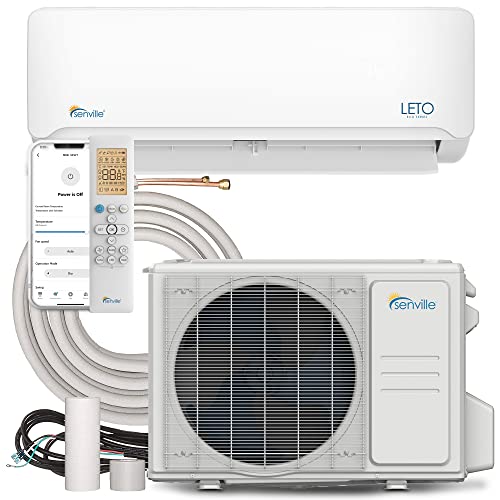
Senville LETO Series 12000 BTU Mini Split Air Conditioner Heat Pump
Senville
Premium
COSTWAY 9000 BTU Mini Split AC & Heater
COSTWAY
Premium
COSTWAY 12000 BTU Ductless Mini Split Air Conditioner & Heater
COSTWAY
Premium
Senville 9000 BTU mini split heat pump 110/120V
Senville
Premium
LETO Series Mini Split Air Conditioner Heat Pump (9000 BTU, 208/230V, Inverter, White)
senville
Premium
COSTWAY 12000 BTU Mini Split System – inverter heat pump
COSTWAY
Premium
LETO Series 12000 BTU Mini Split Inverter Heat Pump
senville
Premium
Senville LETO 18000 BTU Inverter Mini Split Heat Pump
Senville
Premium
COSTWAY 18000 BTU Mini Split AC + Heat Pump (19 SEER2) – Wall-Mounted Ductless
COSTWAY
Premium
ROVSUN 12000 BTU Wifi Inverter Mini Split AC + Heater
ROVSUN
Premium
COSTWAY 18K BTU Mini Split Air Conditioner with Heat Pump
COSTWAY
Premium
DELLA Vario 12000 BTU Mini Split AC with Inverter
Della
Premium
Senville LETO Series 24000 BTU Mini Split Heat Pump
Senville
Premium
Della Vario Series 9000 BTU Ductless Mini Split
Della
Premium
ROVSUN 12000 BTU wifi mini split air conditioner with inverter
ROVSUN
Premium
ROVSUN 18000 BTU Wifi Inverter Ductless Mini Split Air Conditioner
ROVSUN
Premium
COSTWAY 24000 BTU Wall-Mounted Mini Split AC & Heater
COSTWAY
Premium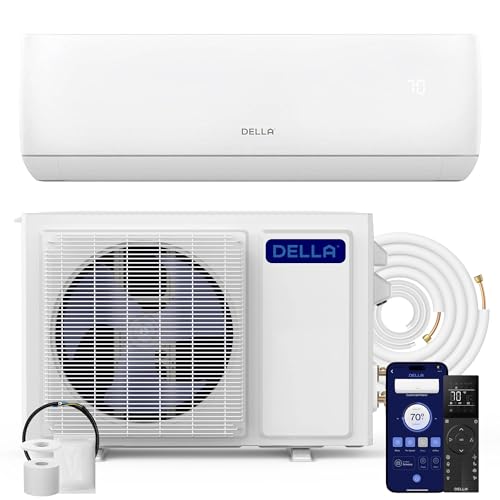
Della Motto Series 12000 BTU Mini Split with Heat Pump
Della
Premium
ROVSUN 24000 BTU Wifi Inverter Mini Split AC & Heater
ROVSUN
Premium
Climafy 2025 Split/Portable Wall-Mount AC Unit (White, 110V)
XQUKEI
Premium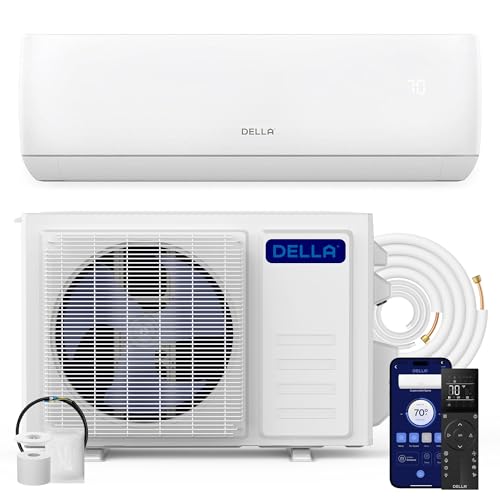
DELLA Motto Series Mini Split AC 12k BTU 5.5kW 17.5 SEER2
Della
Premium
COSTWAY 24000 BTU Ductless Mini Split Air Conditioner
COSTWAY
Premium
ROVSUN 17000 BTU Wifi Mini Split 230V Inverter Ductless Unit
ROVSUN
PremiumRoundups
Frequently Asked Questions
How do I choose the right capacity (BTU) for a split-system air conditioner in my room?
Calculate room area (square feet) and multiply by an approximate cooling requirement of 20–30 BTU per sq ft; adjust upward for high ceilings, strong sun exposure, or many occupants, and downward for well-shaded or insulated spaces. For accurate sizing, also account for heat-generating appliances and consult product specs for recommended room size ranges
What are the key features to compare between split-system models?
Compare cooling capacity (BTU), energy efficiency ratings (SEER or EER), noise levels (dB), inverter vs. non-inverter compressors, included air filtration options, thermostat and control features (remote, app, programmable timers), and warranty terms for parts and compressor
How much should I expect to spend on a residential split-system air conditioner?
Unit prices commonly range from a few hundred to several thousand dollars depending on capacity and features; an aggregate average for similar home models is in the mid-hundreds to low thousands, plus potential installation and electrical upgrade costs
What should I know about installation requirements and professional help?
Split systems require mounting an indoor unit, placing an outdoor condenser, refrigerant line connections, and electrical work; licensed HVAC technicians perform refrigerant handling and ensure correct piping, vacuuming, and charging to meet code and warranty conditions
How do I maintain a split-system air conditioner to keep it efficient?
Regularly clean or replace filters every 1–3 months, keep the outdoor unit clear of debris, schedule annual professional inspections for refrigerant levels and coil cleaning, and promptly address unusual noises or performance drops to preserve efficiency and lifespan
Are inverter compressors worth the extra cost?
Inverter compressors modulate speed to maintain temperature with fewer start-stop cycles, generally providing better energy efficiency and smoother temperature control than fixed-speed compressors, which can result in lower operating costs over time depending on usage patterns
What noise levels should I expect and how are they measured?
Manufacturers report indoor and outdoor sound levels in decibels (dB); typical indoor split units range from about 19–40 dB on low to higher on high settings, so compare dB ratings and look for low-noise modes if quiet operation is important