Strategic Business Planning
This Strategic Business Planning category for Home Comfort & Decor groups 16 products that focus on operational and market planning for businesses in the home goods sector, spanning budget through mid-range price points (avg $79). Items include planning guides, templates, and strategy workbooks; top brands represented include Andrew Davies
Top Products

Overfished Ocean Strategy: Powering Up Innovation for a Resource-Deprived World
Nadya Zhexembayeva
Budget
Strategy as Practice: An Activity Based Approach (SAGE Strategy series)
Paula Jarzabkowski
Mid-Range
Leadership Landscapes
T. Cummings, J. Keen
Mid-Range
Light Footprint Management: Leadership in Times of Change
Charles-Edouard Bouee
Budget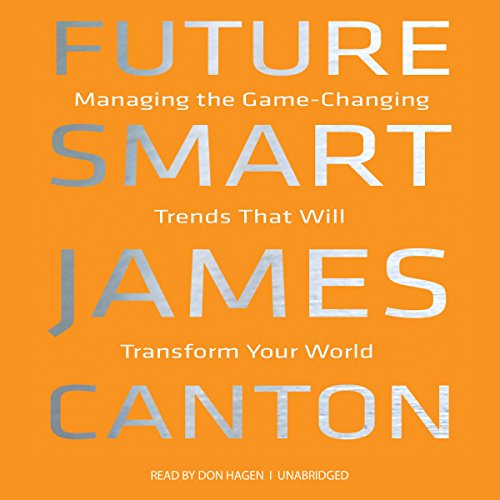
Future Smart: Managing Trends That Will Transform Your World
James Canton
Budget
The Leadership Lifecycle: Matching Leaders to Evolving Organizations
A. Ward
Mid-Range
Overcoming Workplace Pathologies: Principles of Spirit-Based Leadership
Gilbert W. Fairholm
Mid-Range
On-Demand Staffing: Ultimate Guide To Launching And Growing An On-Demand Staffing Platform
Ash Barot
Budget
Strategy for a Networked World
Rafael Ramirez, Ulf Mannervik
Mid-Range
Leadership, Character and Strategy: Exploring Diversity
Keith Patching
Mid-Range
Profitable Growth: Release Internal Growth Brakes and Bring Your Company to the Next Level
Guido Quelle, Alan Weiss
Mid-Range
Strategy and Human Resource Management (Management, Work and Organisations)
Peter F. Boxall
Premium
The Business of Projects: Managing Innovation in Complex Products and Systems
Andrew Davies, Michael Hobday
Mid-Range
Social Entrepreneurship and Social Business: Introduction and Case Studies
Christine K. Volkmann, Kim Oliver Tokarski, Kati Ernst
Mid-Range
Franchising Strategies
Ed Teixeira, Richard Chan
Premium
Essentials of Strategic Management: Concepts & Cases
LavaKush Singh
PremiumRoundups
Frequently Asked Questions
How do I choose a strategic business planning book or course for the home comfort & decor niche?
Pick resources that cover category-specific topics like seasonal demand, supplier relationships, merchandising, and customer experience; check that the format (book, workbook, online course) matches your learning style and that authors have business or retail strategy credentials relevant to lifestyle or home goods
What budget should I expect for strategic planning materials in this niche?
Materials in this category typically range from budget-friendly guides under $50 to more comprehensive courses and toolkits around $100–$200, with an average price near (price varies) across products; set your budget based on depth of content and whether templates or coaching are included
Which key features or topics should a product include for actionable planning?
Look for clear frameworks for market analysis, inventory and pricing strategies, merchandising plans, marketing channels for home decor, financial forecasting templates, and case studies or examples specific to home comfort and decor retailers
How can I assess credibility and relevance of authors or instructors?
Evaluate author credentials by checking experience in retail, design, or business strategy, prior publications or case studies in home goods, and reviewer feedback mentioning practical results or industry applicability
Are there recommended formats for learning strategic planning quickly?
If you need fast application, choose concise workbooks or courses with templates and step-by-step exercises; longer books are better for theory and broader context but may take more time to translate into action
What ongoing maintenance is needed after creating a strategic plan for a home decor business?
Regular tasks include quarterly market reviews, monthly sales and inventory checks, seasonal assortment adjustments, and updating financial forecasts and marketing channels based on recent customer data
How do I apply strategic planning guidance to different business sizes (solo seller vs. boutique store)?
Scale frameworks by complexity: solo sellers should prioritize lean inventory, clear niche positioning, and lightweight financial models, while boutique stores may adopt multi-channel strategies, staffing plans, and more detailed supplier agreements