Vacuum Replacement Batteries
Replacement batteries for cordless vacuum models and compatible battery packs, offered in budget through mid-range options (41 products; avg rating 4.47). Prices span about $33–$130 with top brands including Batryuic among others
Top Products

14.4V 3200mAh i7 battery replacement for iRobot Roomba
Morpilot
Mid-Range
2-Pack 14.4V 2600mAh Replacement Battery for Ecovacs Deebot & Robovac
SPARKOLE
Budget
LONG FIT V8 SV10 6500mAh Battery for Dyson V8 series
LONG FIT
Budget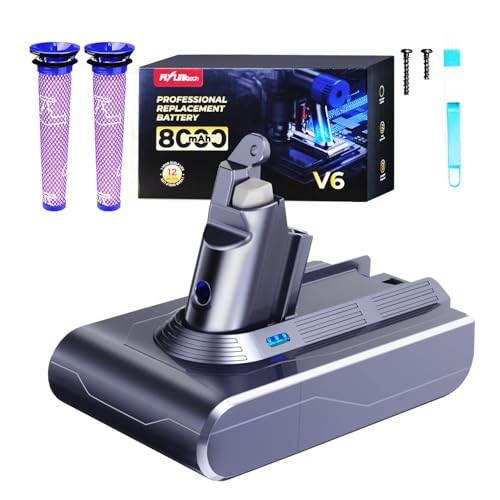
FLYLINKTECH 8000mAh V6 Battery for Dyson V6 Vacuum
FLYLINKTECH
Mid-Range
8,000mAh V7 battery replacement for v7 sv11 vacuum
FLYLINKTECH
Mid-Range
V6 replacement battery for Dyson vacuum
EGR
Mid-Range
Battery Replacement for Dyson V8 21.6V 6500mAh Li-ion Battery
Keenstone
Mid-Range
EGR 6200mAh DC35 Battery Replacement for Dyson (DC31, DC34, DC35, DC44, DC45)
EGR
Mid-Range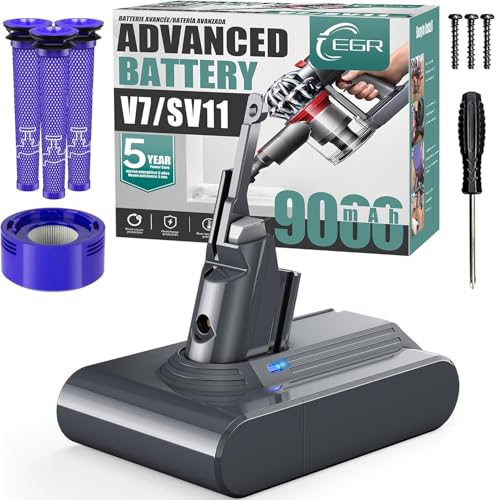
EGR 6000mAh V7 Animal Battery Replacement for Dyson V7
EGR
Mid-Range
Upgraded 6500mAh 22.2V Battery for DC30-DC57 (Type B) with 2Pcs Filters
Batryuic
Budget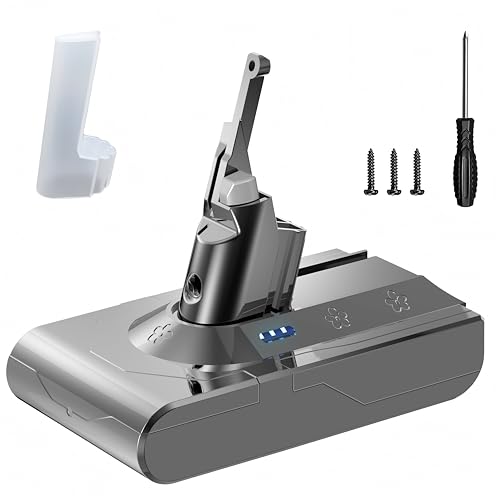
Upgraded 21.6V V8 Battery Replacement for Dyson V8
BOTKK
Mid-Range
Keenstone 25.2V 6500mAh Battery for Dyson V10
Keenstone
Mid-Range
8,000mAh V8 battery replacement for V8 vacuums
FLYLINKTECH
Mid-Range
6500mAh V6 battery replacement for Dyson V6 series
Becleanlife
Mid-Range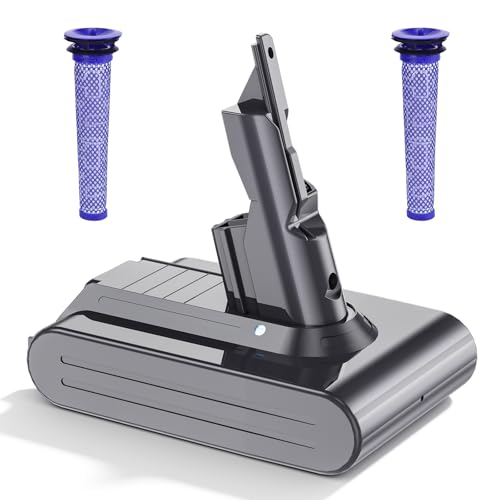
Dyson V7 battery replacement 7000mAh for V7 Animal/Motorhead/Absolute
Uionvot
Budget
Upgraded 7000mAh Li-ion Battery for Dyson V8 Vacuum
Batryuic
Mid-Range
Premium 4Ah Battery Replacement for Dyson V8 SV10
BOTKK
Budget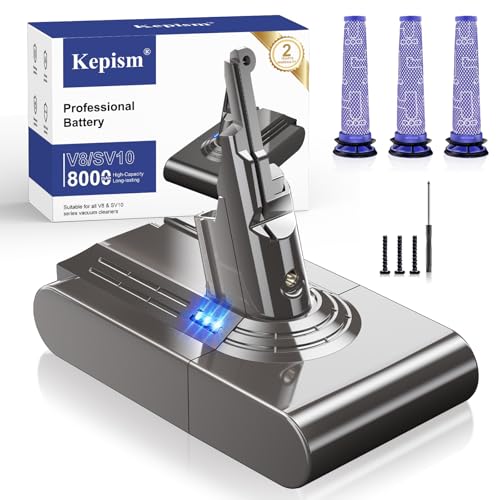
Upgraded 8000mAh Dyson V8 battery replacement (21.6V) for V8 Animal
Kepism
Mid-Range
V8 battery replacement for Dyson vacuums with 2 filters & 3 screws
Becleanlife
Mid-Range
Upgraded 7.0Ah 22.2V Battery for Dyson DC30/DC31/DC34/DC35 (Type A) with 2 Filters
Batryuic
Budget
EGR 6500mAh V10 Battery Replacement for Cyclone V10 family
EGR
Mid-Range
7000mAh V8 Battery Replacement for Dyson V8
Maxofpowr
Budget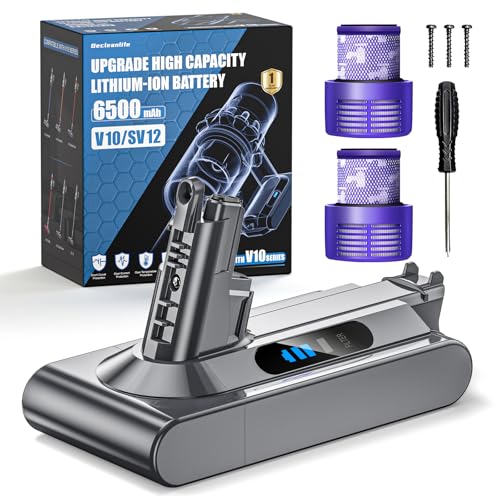
6500mAh V10 battery for Dyson V10 (25.2V) with 2 filters
Becleanlife
Mid-Range
21.6v 8000mAh Replacement for V8 Battery for V8 Series Vacuum
Ferncaex
BudgetRoundups
Frequently Asked Questions
How do I know which replacement battery fits my vacuum model?
Check the vacuum’s model number and compare it to the replacement battery’s compatibility list and voltage/specifications; matching battery chemistry (e.g., Li-ion), voltage, and connector type is essential for fit and safe operation
What battery specifications should I prioritize when choosing a replacement?
Prioritize matching voltage and connector, then capacity (mAh or Wh) for run time, chemistry (Li-ion vs NiMH) for weight and lifespan, and physical dimensions to ensure it fits the vacuum’s battery compartment
Are aftermarket replacement batteries safe and reliable?
Aftermarket batteries can be safe if they list compatible specifications, include overcharge/overcurrent protection, and come from reputable manufacturers; look for safety certifications (e.g., CE, RoHS) and user reviews rather than brand claims alone
How long should a replacement vacuum battery last and what affects its lifespan?
Typical Li-ion vacuum batteries last 1–3 years depending on charge cycles, storage temperature, usage patterns, and charging habits; higher capacity and proper care (avoiding extreme heat and full discharge) help extend lifespan
What maintenance or charging practices prolong vacuum battery life?
Use the manufacturer-recommended charger, avoid exposing the battery to high heat, store at partial charge if unused for months, and avoid deep discharges when possible to maximize cycle life
Can I use a higher-capacity or higher-voltage battery than the original?
You can use a higher-capacity battery with the same voltage and connector to increase run time, but do not use higher-voltage replacements unless the vacuum explicitly supports them, as that can damage the device or create safety risks
How do I identify genuine issues vs. normal battery wear?
Normal wear includes gradually reduced runtime and slower recovery after charging; issues include overheating, swelling, failure to hold charge, unusual smells, or the vacuum not powering on, which indicate replacement or professional inspection is needed