Beer Brewing Kegs & Kegging
Home- and small-scale beer kegging equipment, including Cornelius-style kegs, ball-lock fittings, couplers, and accessory hardware for transferring and dispensing beer. The category averages a 4.49 rating across 11 products and spans budget to mid-range pricing (about $35–$123), with brands like MRbrew represented
Top Products

FastRack 1/2 Gallon Amber Growlers (6) with Polyseal Caps
FastRack
Budget
FERRODAY 8" Keg Tap Keg Pump D-System
Ferroday
Mid-Range
MRbrew Keg Party Pump with Beer Faucet & Hose
MRbrew
Mid-Range
VEVOR 5 lbs CO2 Tank with CGA320 Valve, Aluminum Alloy
VEVOR
Mid-Range
VEVOR CO2 Regulator Gauge 0-60 PSI Triple Gauge
VEVOR
Mid-Range
MRbrew CGA-320 Keg Regulator with Quick Disconnect
MRbrew
Mid-Range
4-Pack Universal Fit Beer/Soda Can Rings
ICE N COLD
Mid-Range
8 inch beer keg pump tap for US Sankey
Hilangsan
Mid-Range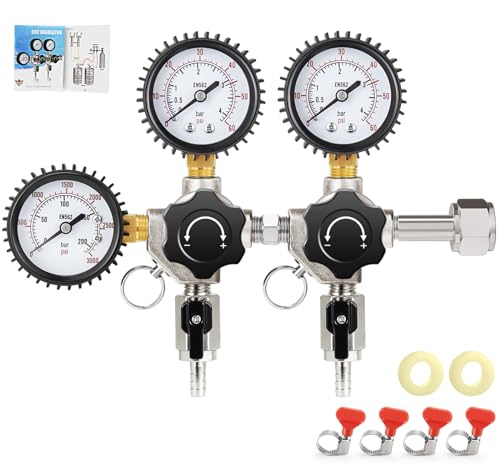
MRbrew CO2 Regulator Dual Output CGA-320
MRbrew
Mid-Range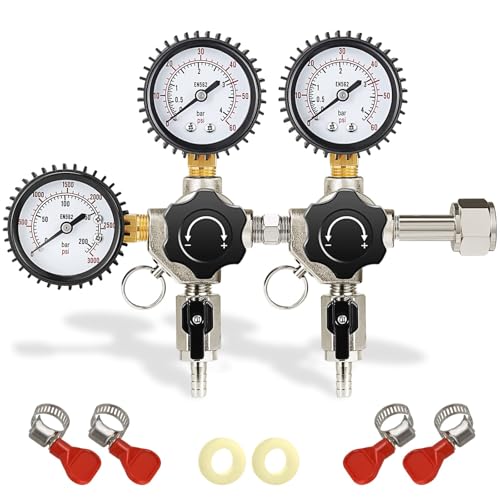
FERRODAY Two-System CO2 Regulator for Kegerator, Brass Body
FERRODAY
Mid-Range
TMCRAFT 5 Gallon Ball Lock Keg, Stainless Steel with Dual Handles
TMCRAFT
PremiumRoundups
Frequently Asked Questions
What types of kegs are available and which should I choose for home brewing?
Common types include Cornelius (Corny) kegs, Sankey/party tap kegs, and mini kegs; Corny kegs are popular for home brewers because they are easy to clean, refill, and retrofit with ball-lock or pin-lock fittings, while Sankey kegs are standard for commercially packaged beer and require specific couplers
What equipment do I need to start kegging beer at home?
At minimum you need a compatible keg, CO2 tank and regulator for carbonation/dispensing, tubing and fittings or a draft faucet/coupler, and a cleaning/sanitizing kit; many brewers also use a kegging fridge or kegerator to control serving temperature
How much should I expect to spend to get started with kegging?
Entry-level setups typically range from under $100 for a single used Corny keg plus basic fittings to a few hundred dollars for a new Corny kit with regulator and tank; complete kegerator systems and multi-keg setups can cost several hundred dollars
How do I maintain and clean kegs to ensure beer quality?
Rinse immediately after use, disassemble posts and poppets periodically, clean with a caustic cleaner or brewery-specific detergent, sanitize before filling, and inspect seals and O-rings for wear to prevent off-flavors and contamination
What are the key compatibility points to check when buying kegs and accessories?
Confirm keg type (Corny vs Sankey), valve type (ball-lock or pin-lock) and corresponding fittings, thread sizes for regulators and CO2 tanks, tubing inner diameter for flow rate, and whether parts are stainless steel or plated for durability