Countertop Blenders
Countertop blenders for kitchen and dining use, including personal and full-size models for smoothies, soups, and purees. The 175 indexed products span budget through premium options (avg $168) and average a 4.44 rating; top brands include NutriBullet, Ninja, Vitamix, Chefman, and BEAST
Top Products
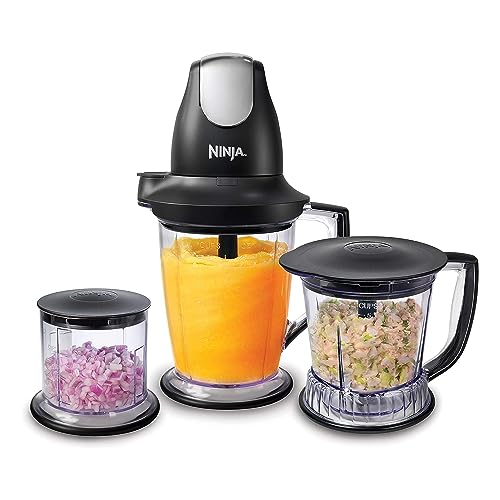
Ninja 450W Blender & Food Processor Set
Ninja
Mid-Range
Ninja Master Prep Food Processor Blender with 48 oz Pitcher
Ninja
Mid-Range
Ninja 1000-Watt Blender, 72 oz Pitcher, Ice Crushing
Ninja
Mid-Range
Ninja 2.0 1200W Blender with Auto-IQ, 72-oz Pitcher
Ninja
Premium
Magic Bullet Blender 11 Piece Set
Magic Bullet
Mid-Range
Ninja 1800W Power Blender Pro with 72 oz pitcher
Ninja
Premium
Ninja 1100-Watt Smoothie & Food Processing Blender
Ninja
Premium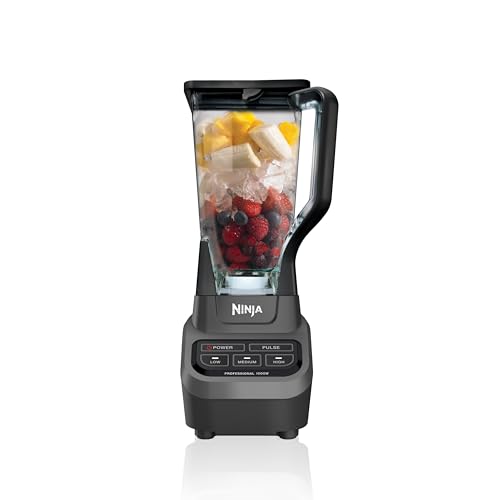
Ninja Professional Blender 1000W with 72 oz Pitcher
Ninja
Premium
Hamilton Beach Power Elite Wave Action Blender 40 Oz
Hamilton Beach
Mid-Range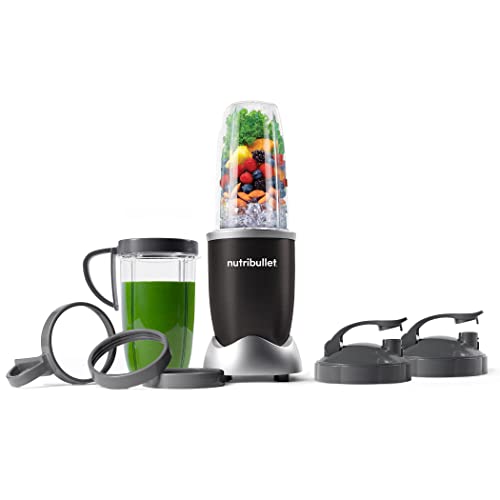
NutriBullet Pro 13-Pc Blender Onyx Black
NutriBullet
Premium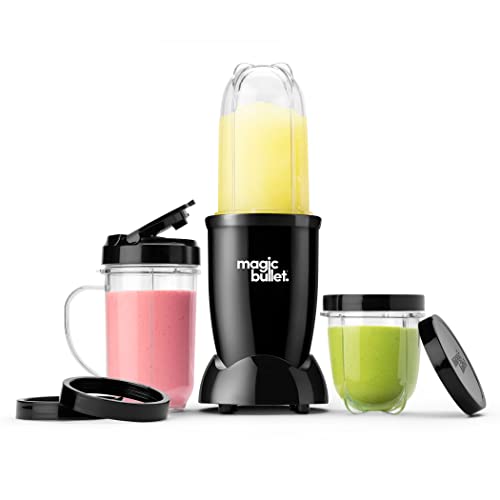
Magic Bullet Blender, Small, Black, 11 Piece Set
Magic Bullet
Mid-Range
NutriBullet Pro 13 Pcs Blender
NutriBullet
Premium
Ninja Professional Plus Blender 1400W, 72-oz Pitcher, Auto-iQ
Ninja
Premium
NutriBullet Pro 13 Pcs Blender, 900W
NutriBullet
Premium
Ninja Detect Power Blender Pro + Personal, 1800W, 72 oz pitcher, black
Ninja
Premium
Ninja Professional Plus Blender 1400W, 72-oz Pitcher, 2 To-Go Cups
Ninja
Premium
NutriBullet Baby Complete Food-Making System 32-Oz
NutriBullet
Mid-Range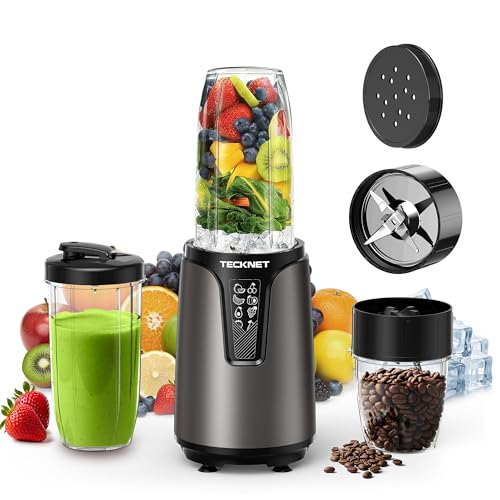
TECKNET 1000W bullet blender with 2 BPA-free cups
TECKNET
Mid-Range
Ganiza 900W Blender with 15-Piece Set for Shakes and Smoothies
Ganiza
Mid-Range
Hamilton Beach blender with 14 functions and 700W
Hamilton Beach
Mid-Range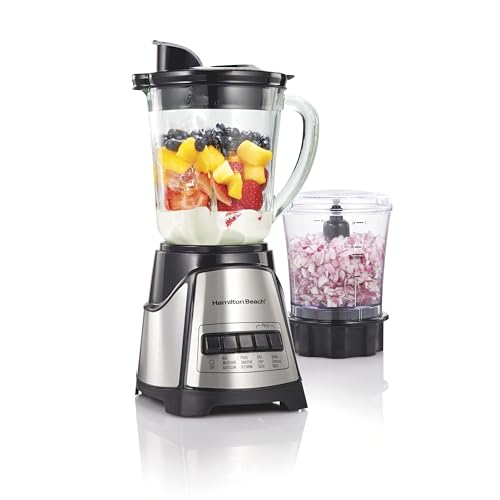
Hamilton Beach 58149 Power Elite Blender with 3-cup Chopper
Hamilton Beach
Mid-Range
BLACK+DECKER 6-Cup Blender with 10-Speed Settings
BLACK+DECKER
Mid-Range
Ganiza 15-Piece Personal Blender & Grinder Combo, Grey
Ganiza
Mid-Range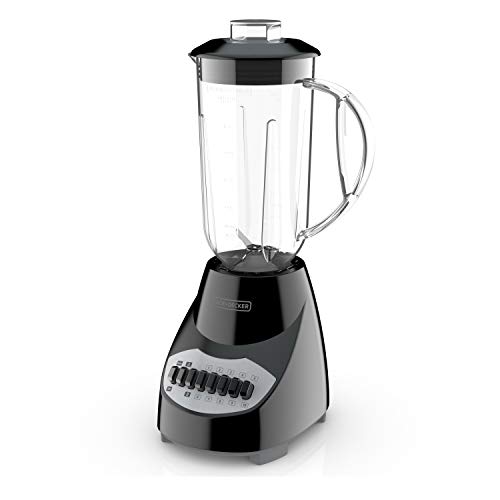
BLACK+DECKER Crush Master Blender, 10 speeds, 6-cup jar
BLACK+DECKER
Mid-RangeRoundups
- Best Countertop Blenders for Frozen Drinks (2026)
- Best Countertop Blenders for Smoothies (2026)
- Best Countertop Blenders for Protein Shakes (2026)
- Best Countertop Blenders Under $200 (2026)
- Best Countertop Blenders Under $100 (2026)
- Best Countertop Blenders Under $50 (2026)
- Best Countertop Blenders (2026 Guide)
Frequently Asked Questions
How do I choose the right countertop blender for my needs?
Choose based on power (wattage) and blade design for tasks like crushing ice or making smoothies, jar capacity to match household servings, and control options (manual dials vs. presets) for precision; also consider footprint and noise if counter space or quiet operation matters
What power and motor type should I look for?
For basic smoothies and purees, 400–700 watts is usually sufficient; for heavy use like crushing ice, nut butters, or hot soups, look for 1,000 watts or more and a robust motor with durable cooling to avoid overheating
Are there reliable budget and high-end options I should consider by price range?
Countertop blenders span from budget models under $50 for occasional use, mid-range models roughly $50–$200 for regular home use, and higher-end units over $200 for commercial-style performance and long-term durability; choose based on how often and intensively you’ll use it
What jar material and size should I pick?
Glass jars resist staining and odors and are heavier, while BPA-free plastic jars are lighter and less fragile; choose capacity based on household size—personal/portable cups for 1–2 people, 48–64 oz jars for family-sized batches
How do I maintain and clean a countertop blender safely?
Unplug before cleaning, disassemble removable parts, and wash jars, lids, and blades per manufacturer instructions (many are dishwasher-safe but blades may be hand-wash recommended); periodically inspect seals and gaskets and avoid running an empty motor to prolong life
What key features should I prioritize for durability and performance?
Prioritize a strong motor, reinforced blade assembly, metal drive coupling, good warranty length, and accessible replacement parts; user-serviceable components and solid build materials typically indicate longer-lasting performance
How loud are countertop blenders and are there ways to reduce noise?
Blender noise varies with motor power and design; high-power models tend to be louder. To reduce noise, run at lower speeds when possible, place a dampening mat under the base, and blend in shorter bursts rather than continuous high-speed runs