Cutting Boards
Cutting Boards in Kitchen & Dining include wood, bamboo, plastic, and composite boards for prepping and serving, with sizes and edge features for home and pro use. The category spans budget through premium options (about 1,088 products, average rating 4.49) and features brands like Totally Bamboo and John Boos
Top Products

Farberware Cutting Board, 11x14, plastic with handle
Farberware
Budget
Farberware reversible cutting boards with juice groove
Farberware
Budget
Winco Cutting Board 18 x 24 x 0.5 in, White
Winco
Mid-Range
SMIRLY 3-Piece Plastic Cutting Board Set with Holder
SMIRLY
Budget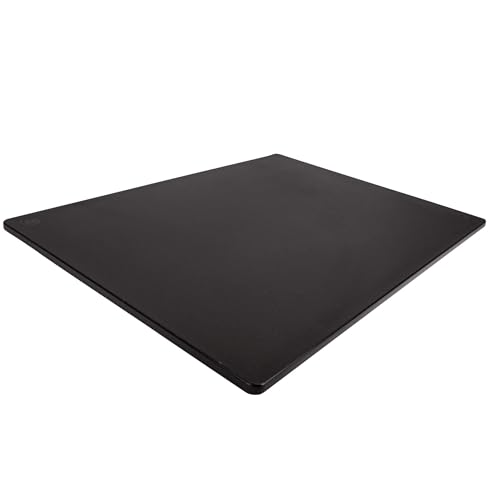
Thirteen Chefs Extra Large Cutting Board 24x18 HDPE
Thirteen Chefs
Budget
Royal Craft Wood bamboo cutting boards set (3 sizes) with side handles
ROYAL CRAFT WOOD
Mid-Range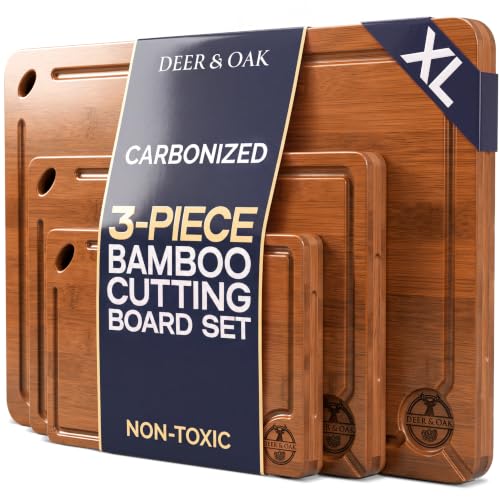
3-Piece carbonized bamboo cutting board set
Deer & Oak
Budget
Thirteen Chefs Extra Large 24 x 18 Cutting Board
Thirteen Chefs
Budget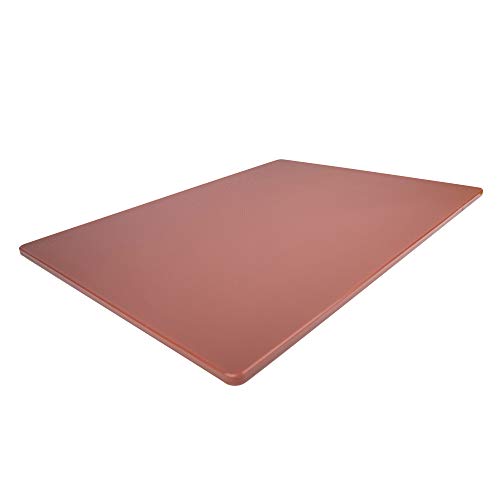
Thirteen Chefs Large Cutting Board 24x18x0.5 in HDPE plastic
Thirteen Chefs
Mid-Range
Winco 18x30 cutting board, 1/2-inch, white
Winco
Mid-Range
Thirteen Chefs Extra Large Cutting Board 24 x 18 in
Thirteen Chefs
Budget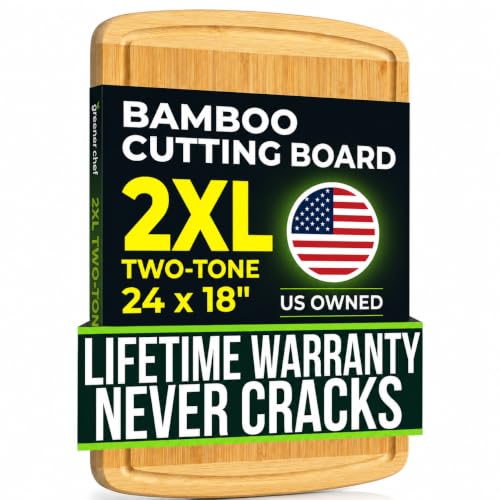
Greener Chef 24 Inch Bamboo Cutting Board
Greener Chef
Mid-Range
Greener Chef 24 Inch 2XL Bamboo Cutting Board
Greener Chef
Mid-Range
Thirteen Chefs 24 x 18 Large Yellow Cutting Board for Poultry
Thirteen Chefs
Budget
SMIRLY 3-Piece Cutting Board Set with Holder, Non-Slip, Pink
SMIRLY
Budget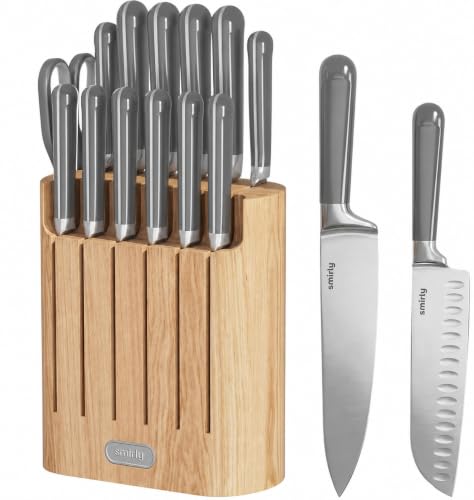
Plastic Cutting Board Set with Holder (3-Piece)
SMIRLY
Budget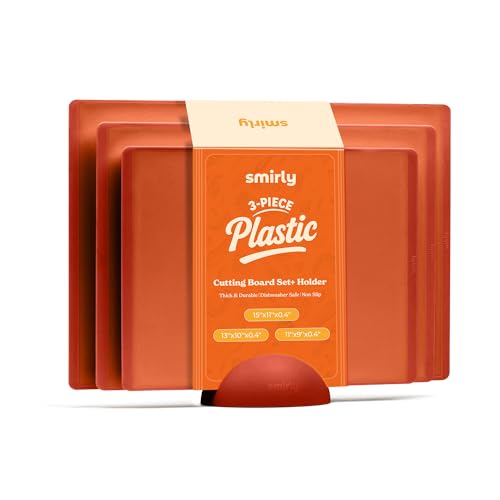
SMIRLY 3-Piece Plastic Cutting Board Set with Holder
SMIRLY
Budget
Smirly 3-piece plastic cutting board set with holder
SMIRLY
Budget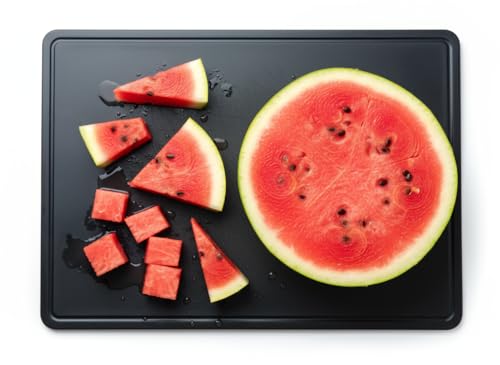
Thirteen Chefs Extra Large Grooved Cutting Board
Thirteen Chefs
Mid-Range
SMIRLY 3-Piece Plastic Cutting Board Set with Holder
SMIRLY
Budget
Plastic Cutting Board set of 4 with storage stand
Aichoof
Budget
SMIRLY 4-Piece Plastic Cutting Board Set with Holder
SMIRLY
Budget
SMIRLY 4-Piece Cutting Board Set with Holder
SMIRLY
Budget
SMIRLY 4-Piece Cutting Board Set with Holder
SMIRLY
BudgetRoundups
Frequently Asked Questions
What materials are cutting boards made from and how do they affect performance?
Common materials are wood (maple, walnut, bamboo), plastic (polyethylene), and composite/resin. Wood is gentle on knives and self-heals small cuts but needs more maintenance; plastic is dishwasher-safe and stain-resistant but can wear knives faster; composites combine durability and knife-friendliness and are usually heat- and stain-resistant
How do I choose the right size and thickness for my kitchen?
Choose a size that fits your counter space and the foods you prep: small boards (10–12" long) for fruits and quick tasks, medium boards (15–18") for everyday use, and large boards (20"+) for carving or large batches. Thicker boards (≥1" for wood) resist warping and are more durable, while thinner boards are lighter and easier to store
Are wooden cutting boards hygienic and how should I clean them?
Wooden boards can be hygienic if cleaned properly: wash with hot soapy water after use, rinse, and air-dry upright. Disinfect occasionally with a diluted vinegar solution or a mild bleach solution (followed by thorough rinsing), and avoid soaking or putting most wooden boards in the dishwasher to prevent cracking and warping
When should I replace a cutting board?
Replace a cutting board when deep grooves cannot be smoothed by sanding, when there is persistent staining or odor after cleaning, or if it has significant warping or cracking that could harbor bacteria. Plastic boards can be replaced more often if knife grooves are deep; wooden boards can often be resurfaced by sanding once or twice
What features should I look for to protect my knives?
Look for boards with a knife-friendly surface—hardwoods like maple or walnut and certain composites are gentler than glass, ceramic, or very hard plastic. Avoid glass, stone, and very hard composite surfaces for regular chopping, and choose a board with a flat, stable surface and non-slip feet or pads to prevent blade damage from slipping
How do I maintain and season a wooden cutting board?
Maintain wooden boards by oiling them monthly or when the wood looks dry using food-grade mineral oil or a board conditioner with beeswax; apply oil, let it soak in, and wipe off excess. Regular oiling prevents drying and cracking and helps repel moisture and stains
Are there cutting boards better for meat vs. produce?
Many cooks prefer separate boards to avoid cross-contamination: nonporous plastic boards are easy to sanitize for raw meat, while wood boards are popular for bread, cheese, and general chopping. If using the same wood board for both, clean and disinfect thoroughly between uses