Dehydrators
Dehydrators in Kitchen & Dining include countertop electric units for drying fruits, vegetables, jerky, and herbs, ranging from compact to multi-tray models. The category spans budget through premium options (about $36–$600, avg $140) with brands like Elite Gourmet and Excalibur well represented and an average user rating of 4.49
Top Products

COSORI Food Dehydrator with 5 Trays and 165 F
COSORI
Mid-Range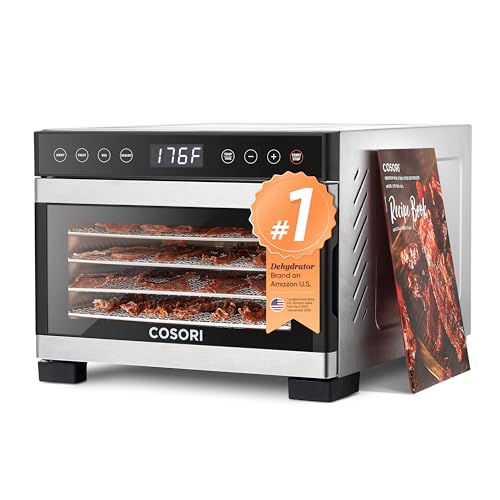
COSORI Food Dehydrator with 5 Trays and 176F Temp Control
COSORI
Premium
COSORI Food Dehydrator CFD-N051-W with 5 trays and accessories
COSORI
Mid-Range
Nesco Add-A-Tray 2-pack for Snackmaster Pro Dehydrator
Nesco
Premium
COSORI 7-tray food dehydrator
COSORI
Mid-Range
Elite Gourmet Digital Food Dehydrator with 5 trays, adjustable temperature & timer
Elite Gourmet
Mid-Range
COSORI 5-tray food dehydrator with timer and presets
COSORI
Premium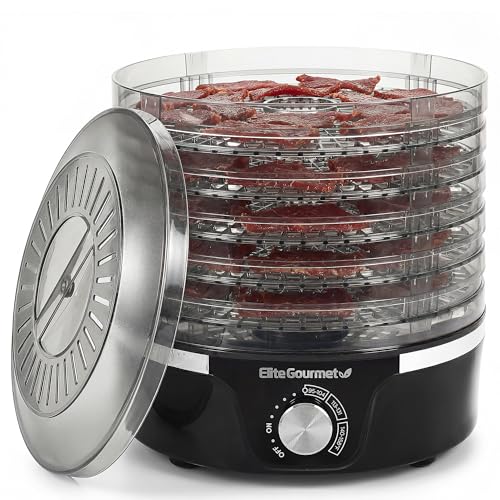
Elite Gourmet 5-tray Food Dehydrator, 95–158°F, BPA-free
Elite Gourmet
Mid-Range
COSORI Food Dehydrator with 6 Trays, 600W
COSORI
Premium
COSORI food dehydrator with 6.5 ft2 drying space
COSORI
Premium
Elite Gourmet Digital Food Dehydrator with 5 Collapsible Trays
Elite Gourmet
Mid-Range
Elite Gourmet Food Dehydrator with 11.4" trays
Elite Gourmet
Mid-Range
OSTBA 5-Tray Food Dehydrator with LED Display and 72H Timer
OSTBA
Mid-Range
VIVOHOME Food Dehydrator with 5 Trays, 400W, 95-176F
VIVOHOME
Mid-Range
Elite Gourmet food dehydrator with adjustable temperature
Elite Gourmet
Mid-Range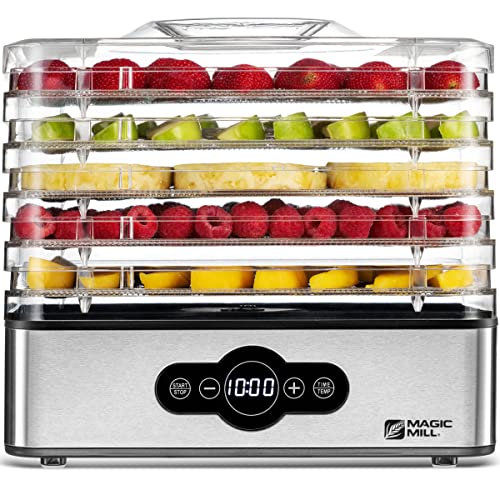
Magic Mill Food Dehydrator with 5 Trays, adjustable timer
Magic Mill
Mid-Range
VIVOHOME Food Dehydrator 8-tray 400W with timer and temp control
VIVOHOME
Mid-Range
Magic Mill Food Dehydrator with 10 XL Trays
Magic Mill
Premium
NESCO Food Dehydrator with 4 Trays, 500W
NESCO
Mid-Range
NutriChef Electric Countertop Dehydrator with 5 Stackable Trays
NutriChef
Mid-Range
Elite Gourmet Digital Food Dehydrator with 5 Trays
Elite Gourmet
Mid-Range
Hamilton Beach food dehydrator with 5 trays, adjustable temp
Hamilton Beach
Mid-Range
Magic Mill Pro Food Dehydrator with 10 stainless steel trays
Magic Mill
Premium
Compact Food Dehydrator with 4 Stainless Trays
Septree
PremiumRoundups
Frequently Asked Questions
How do I choose the right dehydrator size and capacity for my kitchen?
Choose based on how much food you plan to dry and available counter/storage space: small units (one to two trays) suit occasional home use, medium units (4–6 trays) work for regular batching, and large units (7+ trays) or commercial models are for big-batch or frequent use. Also check tray dimensions and whether trays are adjustable or stackable to accommodate different foods
What temperature range and controls should I look for?
Look for a dehydrator with a temperature range of about 90–165°F (32–74°C) to handle herbs, fruits, jerky, and vegetables; variable thermostatic controls or digital timers offer more consistent results than fixed settings. An accurate thermostat and an automatic shutoff or timer simplify safe, repeatable drying
Are horizontal-air or vertical-air dehydrators better?
Horizontal-air (rear-mounted fan and heating element) models provide more even airflow for consistent drying across trays, while vertical-air (bottom-mounted) units are often more compact and cheaper but may require rotating trays for uniform results. Choose based on your priority for uniformity versus footprint and budget
How much should I expect to spend and what features affect price?
Prices vary widely; entry-level countertop models are available under $100, mid-range units commonly fall around $100–$200, and high-capacity or commercial-style units cost more. Factors affecting price include tray count/size, build materials, digital controls, timer/temperature accuracy, and brand reputation
What materials and tray types are best for food safety and cleaning?
Look for BPA-free plastic, stainless steel, or food-grade silicone trays; stainless steel is most durable and easier to sanitize, while BPA-free plastics are lightweight and often dishwasher-safe. Removable, dishwasher-safe trays and nonstick or mesh inserts simplify cleaning
How long do different foods typically take to dehydrate?
Drying times vary by food, slice thickness, humidity, and temperature: thin fruit slices often take 6–12 hours, vegetables 6–14 hours, and jerky 4–8 hours at higher temperatures; herbs and leafy greens can dry in 2–6 hours. Expect to check periodically and adjust time rather than rely on an exact hour count
What maintenance and storage steps keep a dehydrator working well?
Clean trays and interior after each use according to manufacturer instructions, avoid abrasive cleaners on nonstick surfaces, and ensure vents and fan are free of residue; store dry, disassembled if possible, and keep in a cool, dry place to prevent mold or odors. Replace worn gaskets or damaged trays to maintain airflow and food safety