Espresso Machines
This category covers domestic espresso machines and compact pod or manual espresso-style brewers for home kitchens, including single-serve and semi-automatic models. Ten products are indexed with an average rating of 4.16 and price range from $50 to $252, representing budget through mid-range options and brands like Nespresso
Top Products

IMUSA 3- or 2-cup Electric Espresso Maker, Purple
Imusa
Mid-Range
Imusa electric espresso maker, Cuba/Domino themed
Imusa
Mid-Range
Keurig K-Cafe Barista Bar Coffee Maker with Frother
Keurig
Premium
Nespresso Vertuo Next Coffee and Espresso Maker (Machine Only)
Nespresso
Premium
Nespresso Vertuo Next Coffee & Espresso Machine by De'Longhi
Nespresso
Premium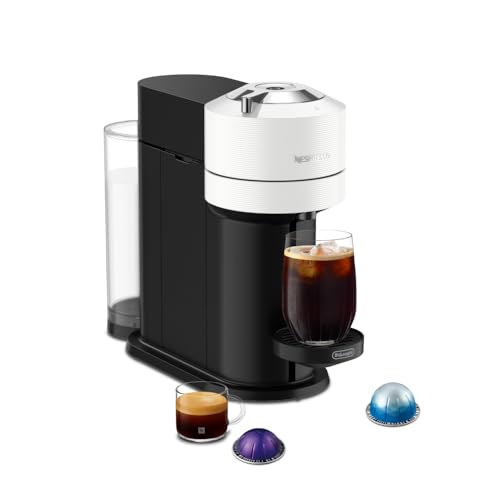
Vertuo Next Coffee & Espresso Maker by De'Longhi (White)
Nespresso
Premium
Nespresso Vertuo Next Coffee & Espresso Machine with Milk Frother
Nespresso
Premium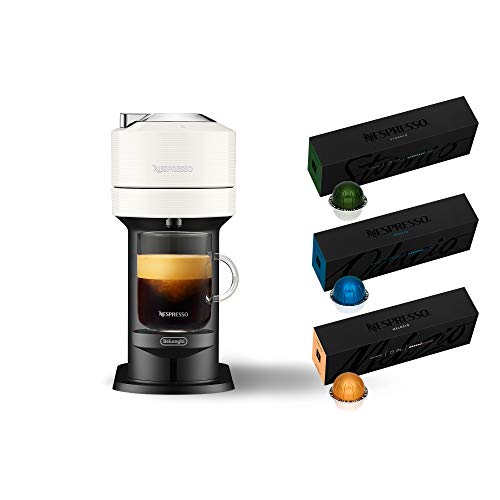
Nespresso Vertuo Next Coffee & Espresso Machine by De'Longhi, White
Nespresso
Premium
Nespresso Vertuo Next Coffee & Espresso Maker with Milk Frother
Nespresso
Premium
Nespresso Vertuo Next Deluxe Coffee & Espresso Machine, Chrome
Nespresso
PremiumRoundups
Frequently Asked Questions
What types of espresso machines are available and which should I choose?
Main types are manual/piston (full control, steeper learning curve), semi-automatic (pump-driven with manual dosing), super-automatic (grinds, tamps, and brews automatically), and pod/capsule machines (convenient, consistent shots). Choose based on how much control and maintenance you want: manual/semi for control/quality, super-automatic for convenience, and pod machines for ease and minimal cleanup
How much should I expect to spend on an espresso machine?
Entry-level pod and basic pump machines commonly fall in the low-to-mid hundreds, while mid-range semi-automatic and compact super-automatic units are typically higher; overall category prices often range from under $100 for simple pod models up through several hundred dollars for more capable machines. Consider the cost of accessories, fresh beans or pods, and ongoing maintenance when budgeting
What features most affect espresso quality?
Key factors are consistent pump pressure (ideally around 9 bar), a reliable boiler or thermoblock for stable brewing temperature, a quality grinder or built-in grinder for uniform particle size, and proper portafilter and basket design. Even with the right hardware, fresh beans and a correct grind/ dose and tamp are essential for good extraction
How much regular maintenance do espresso machines require?
Maintenance varies by type: pod machines need minimal cleaning and occasional descaling; pump and semi-automatic machines require regular backflushing, group-head cleaning, and periodic descaling; machines with grinders need burr cleaning and calibration. Following manufacturer cleaning and descaling intervals preserves performance and flavor
Do I need a separate grinder or is a built-in grinder sufficient?
A dedicated standalone burr grinder generally gives more consistent particle size and better control than most built-in grinders, which can be convenient but sometimes less precise. If espresso quality is a priority, budget for a good burr grinder; if convenience and space are more important, a built-in grinder or pod system may suffice
What should I look for if I want milk-based drinks like lattes or cappuccinos?
Look for machines with a steam wand that provides adequate pressure and steam temperature for microfoam; some super-automatic models include automatic milk frothers which are convenient but may offer less texture control. Consider milk container attachments or integrated coolers if you plan frequent milk drinks
Are pod/capsule machines more economical or better for beginners?
Pod machines are user-friendly, require minimal skill, and have low daily maintenance, making them a good option for beginners or quick use. They can be more expensive per serving than fresh-ground beans and limit roast/bean choice, so weigh convenience against running costs and flavor flexibility