Freestanding Wine Cellars
Freestanding wine cellars for kitchen and dining spaces, offering refrigerated storage units in sizes suitable for countertop or floor placement. The category spans budget through mid-range models (about $100–$900, avg $358) with an average rating of 4.34 and brands like Electactic among the top sellers
Top Products

Antarctic Star 0.6 cu ft freestanding wine mini fridge
Antarctic Star
Premium
BLACK+DECKER 6 Bottle Thermoelectric Wine Fridge
BLACK+DECKER
Premium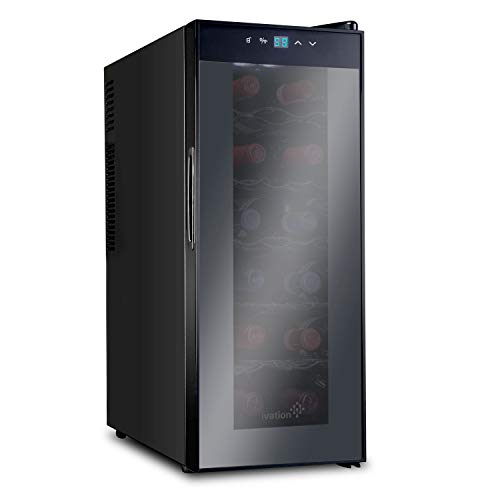
Ivation 12-bottle wine cooler with digital temperature display
Ivation
Premium
Mini wine cooler refrigerator, 10-bottle, 3-can, 40-66°F
STAIGIS
Premium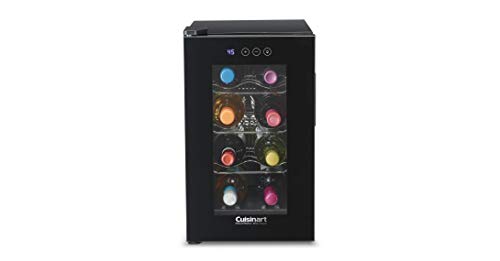
Cuisinart 8-bottle private reserve wine cellar
Cuisinart
Premium
Antarctic Star 26 Bottle Wine Cooler with 130 Can Capacity
Antarctic Star
Premium
8-bottle countertop wine cooler with adjustable temp
JINJUNYE
Premium
Koolatron 6-Bottle Freestanding Wine Fridge
Koolatron
Premium
NutriChef 14-Bottle Single-Zone Wine Cooler
NutriChef
Premium
Wine fridge freestanding 12-bottle countertop cooler
Electactic
Premium
Ivation 6-bottle horizontal wine cooler
Ivation
Premium
Antarctic Star 24 Bottle Wine Cooler with Glass Door
Antarctic Star
Premium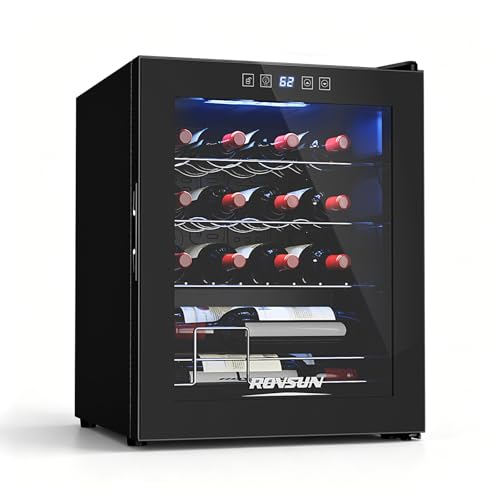
ROVSUN 16 Bottle Compressor Wine Cooler
ROVSUN
Premium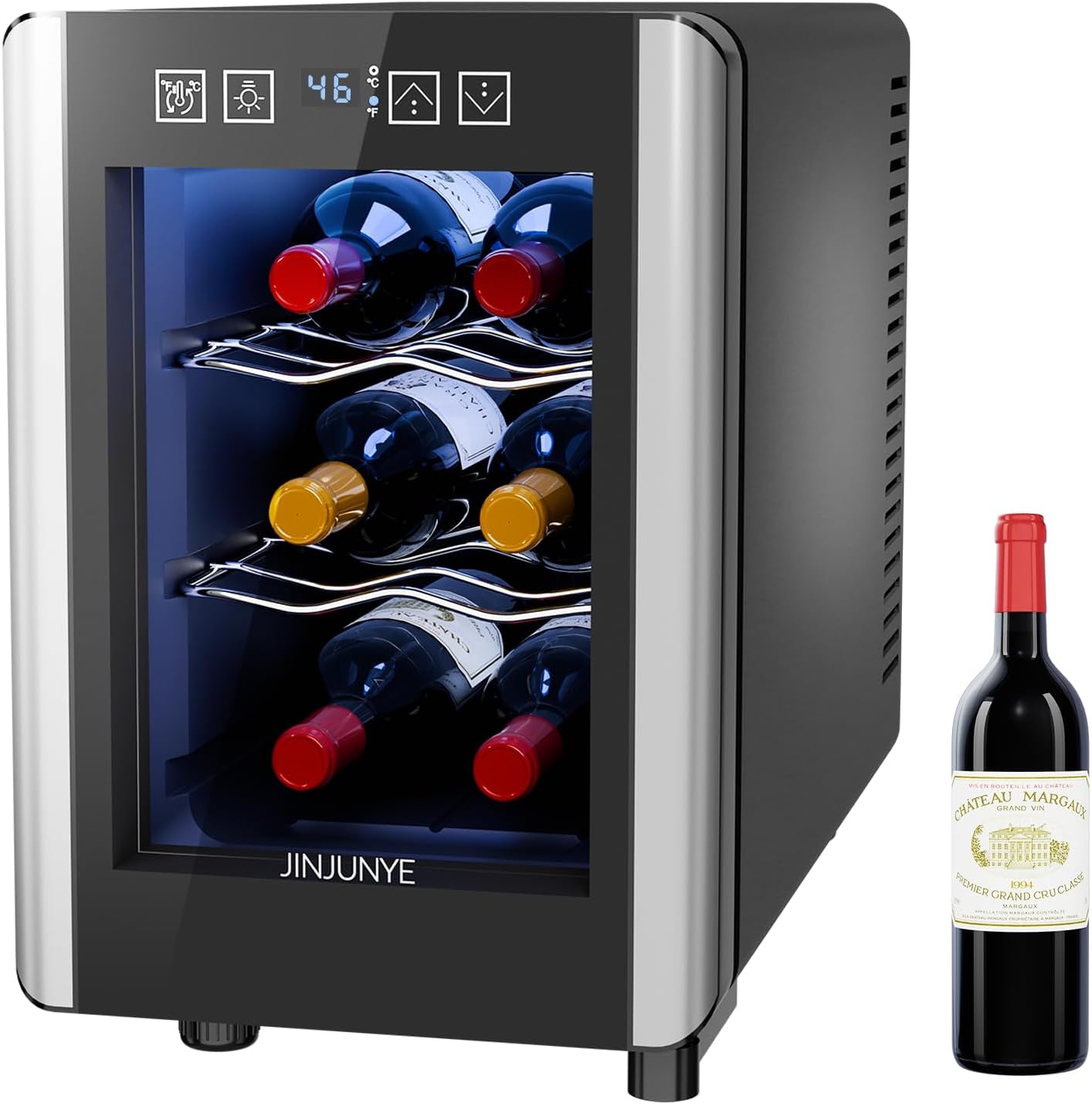
6-bottle countertop wine cooler with digital temp control
JINJUNYE
Premium
12-bottle wine cooler with digital temp control
JINJUNYE
Premium
ROVSUN 28 Bottle Freestanding Wine Fridge
ROVSUN
Premium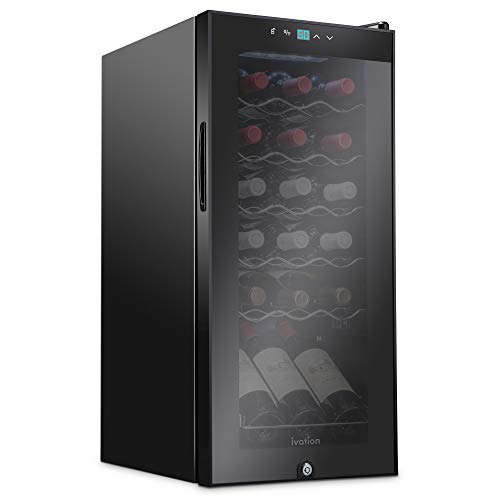
Ivation 18-Bottle Compressor Wine Cooler with Lock
Ivation
Premium
Antarctic Star 36 Bottle Wine Cooler/Cabinet
Antarctic Star
Premium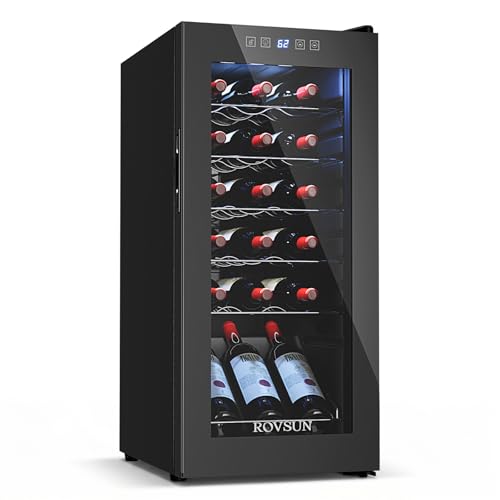
ROVSUN 18 Bottle Freestanding Wine Cooler
ROVSUN
Premium
8-bottle countertop wine cooler with digital temp control
JINJUNYE
Premium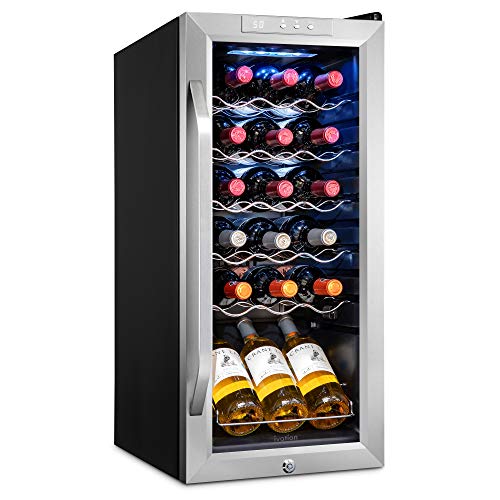
Ivation 18-Bottle Compressor Wine Cooler with Lock
Ivation
Premium
12-bottle wine cooler with digital temp control
JINJUNYE
Premium
Ivation 6-bottle stainless steel wine cooler
Ivation
Premium
130 Can Beverage Refrigerator with Glass Door, 3.2 cu.ft, silver
Electactic
PremiumRoundups
Frequently Asked Questions
How do I choose the right capacity for a freestanding wine cellar?
Estimate how many bottles you store now and over the next 1–3 years; capacities commonly range from 12 to over 100 bottles. Consider whether you need space for full-size 750ml bottles, larger-format bottles, or a mix, and factor in extra room for future purchases and entertaining
What temperature and humidity features should I look for?
Look for adjustable temperature zones with accurate digital controls and a range that covers typical storage (45–65°F for long-term aging, 50–59°F for red, 45–55°F for white). Humidity control or a sealed cabinet helps prevent cork drying; aim for 50–80% relative humidity or models with built-in humidifying features
How important is vibration control and UV-protected glass?
Low vibration is important because constant vibration can disturb sediment and accelerate aging; choose compressors with vibration-reduction features or thermoelectric cooling for small units. UV-protected or tinted glass doors are recommended to block light that can degrade wine flavors over time
What size and installation considerations should I plan for in the kitchen?
Measure the intended footprint and allow clearance for ventilation, door swing, and airflow per the manufacturer's instructions; freestanding units need side and rear clearance and should sit on a level floor. Check whether the unit vents at the front or rear—front-vented models allow closer placement to cabinets
How much should I expect to spend and what does price reflect?
Freestanding wine cellars in kitchen & dining typically span entry-level compact units to larger-capacity models; prices reflect capacity, cooling type (thermoelectric vs compressor), build quality, temperature zones, and brand. Expect lower-cost options for small single-zone units and higher prices for multi-zone, larger-capacity, or premium-finish models
What maintenance is required to keep a wine cellar working properly?
Regularly clean interior surfaces and removable shelves with a mild detergent, check and replace door seals if worn, defrost or drain condensate as directed, and keep vents clear of dust. Monitor temperature and humidity periodically and service the cooling system if you notice persistent temperature fluctuations or unusual noises
Are freestanding wine cellars energy efficient and noisy?
Energy use varies by size and cooling type; thermoelectric units are typically quieter and more efficient for small capacities, while compressor units handle larger loads but may draw more power and produce noticeable operational noise. Review energy consumption specs and noise ratings when comparing models if efficiency or silence is a priority