Grain Mills
Grain Mills in Kitchen & Dining lists countertop and manual mills for grinding wheat, corn, rice, and coffee beans, plus replacement burrs and accessories. The 42 indexed products span budget through premium options (avg price ~(price varies)) with average rating 4.29 and brands like Goldtouch represented
Top Products

Victoria manual cast iron grain mill with high hopper
Victoria
Mid-Range
Victoria manual grain grinder with low hopper
Victoria
Mid-Range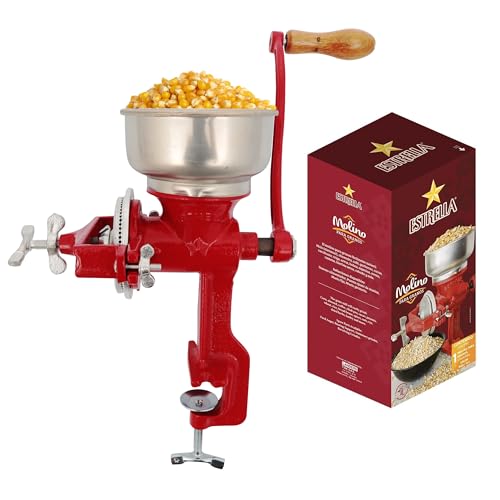
Estrella Cast Iron Manual Crank Corn Grinder (14" tall, 5" hopper)
universal
Mid-Range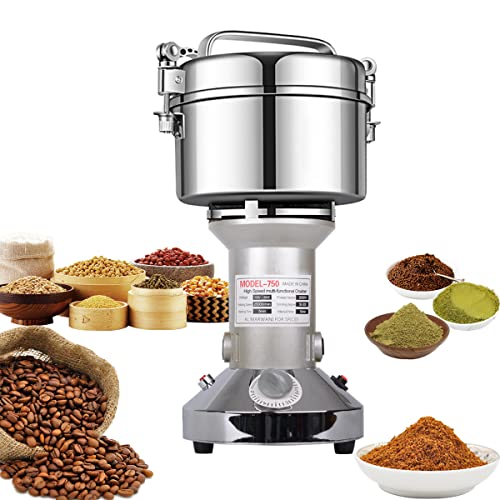
Grain Mill Grinder 750g High Speed Electric Grinder
LEJIEYIN
Mid-Range
Corona grain mill with 0.8-qt hopper, cast iron manual grinder
universal
Mid-Range
Goldtouch 150g Grain Mill Grinder 1500W
Goldtouch
Mid-Range
Moongiantgo Electric Grain Mill Grinder, 150g Capacity, 850W
Moongiantgo
Mid-Range
Victoria manual grain grinder & cast-iron tortilla press (silver)
Victoria
Mid-Range
Grain Mill Grinder 300g Electric High-Speed Stainless Steel
INSELY
Mid-Range
Grain mill grinder high speed stainless steel
INSELY
Mid-Range
VEVOR 550g Electric Grain Mill Grinder, 2000W, Stainless Steel
VEVOR
Mid-Range
CGOLDENWALL 1500W Grain Grinder with Safety Design
CGOLDENWALL
Mid-Range
Corona grain mill with high hopper, manual cast iron grinder
universal
Mid-Range
Grain mill 304 stainless steel spice grinder
OKF
Mid-Range
OKF 550g Grain Mill with 304 stainless steel grinder
OKF
Mid-Range
Grain Grinder Mill 250g Electric Stainless Steel
SLONUVLND
Budget
Moongiantgo Electric Grain Mill Grinder 300g 1500W
Moongiantgo
Mid-Range
CGOLDENWALL 2400W Electric Grain Grinder with Safety Shutoff
CGOLDENWALL
Premium
Moongiantgo Grain Mill Grinder 2500W 500g Upright
Moongiantgo
Premium
VEVOR 750g Electric Grain Mill Grinder, 2000W Stainless Steel
VEVOR
Mid-Range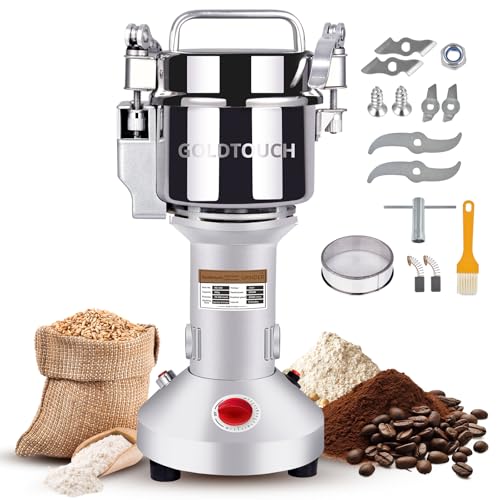
Goldtouch 550g high-speed grain mill grinder (2000 W, stainless steel)
Goldtouch
Mid-Range
CGOLDENWALL 300g Electric Grain Grinder
CGOLDENWALL
Premium
Electric grain mill grinder, 304 stainless steel, 2000W
Greatrue
Mid-Range
Electric grain mill grinder 304 stainless 2800W
Greatrue
Mid-RangeRoundups
Frequently Asked Questions
What types of grain mills are available and how do they differ?
There are manual (hand-crank) mills, electric mills, and attachment-style mills; manual mills are quieter and portable but slower, electric mills are faster and better for frequent use, and attachment mills connect to mixers or motors for convenience but require compatible equipment
Which features should I prioritize when choosing a grain mill for home use?
Prioritize grinding mechanism (steel burrs for durability or stone for texture), motor power (at least 500–1200 W for electric models), adjustable grind settings for flour fineness, hopper capacity, and ease of cleaning and maintenance
How much should I expect to spend on a reliable grain mill?
Prices vary widely: budget manual mills and entry-level electric models often fall under $100, mid-range electric mills commonly range from about $100 to $300, and high-end or commercial-grade units can cost several hundred dollars
What grains can a typical home grain mill handle?
Most home mills can grind wheat, spelt, rye, corn (with specific mills for coarse cornmeal), rice, and pseudo-grains like quinoa and buckwheat; very hard grains or large quantities may require a more powerful or specifically designed mill
How do I maintain and clean a grain mill safely?
Unplug and disassemble according to the manual, brush out residual flour with a dry brush or vacuum, avoid water on motorized components and most burrs unless the manufacturer specifies they are washable, and periodically check and replace worn burrs or stones
What grind settings should I use for different baking needs?
Use fine settings for pastry and white flour, medium for breads and all-purpose flour, and coarse for cereals, polenta, or home-ground cracked grains; test small batches to dial in the texture you need
Are there safety or warranty considerations I should check before buying?
Look for overload protection or thermal cut-off on electric mills, secure hopper and lid designs, clear safety instructions, and a warranty that covers motor and grinding components for at least one year