Knife Sharpeners
This category covers kitchen knife sharpening tools and systems — from manual stones and pull-through sharpeners to electric and guided-angle machines — with about 124 products and an average rating of 4.5. Prices span roughly $33 to $420 (avg ~(price varies)), and brands include WORK SHARP and MITSUMOTO SAKARI among others
Top Products

WUSTHOF 2-Stage Hand-Held Sharpener, Black
Wusthof
Budget
TUO 10 Inch Honing Steel with Pakkawood Handle
TUO
Budget
WUSTHOF precision edge 4 stage knife sharpener
Wusthof
Mid-Range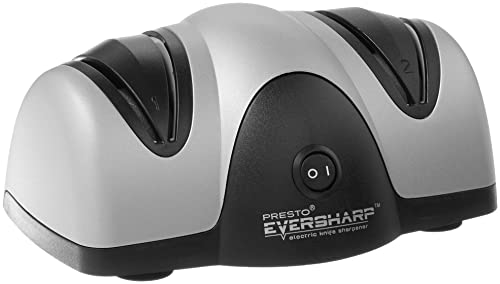
Presto 08800 EverSharp Electric Knife Sharpener, 2-Stage System
Presto
Mid-Range
RazorSharp Knife Sharpener with Adjustable Angle Guide
RAZORSHARP
Mid-Range
Hutsuls Leather Strop for Knife Sharpening 3" x 9"
Hutsuls
Budget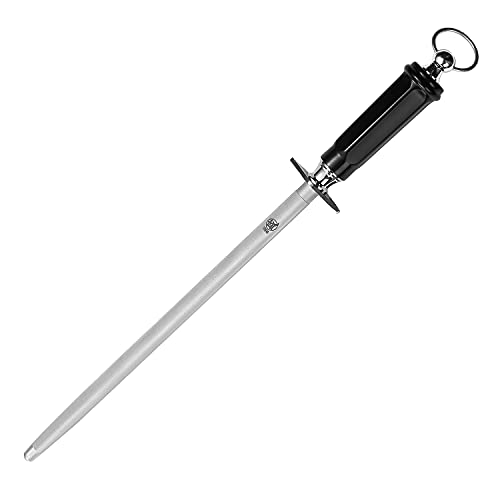
Mitsumoto Sakari 12in Japanese Honing Steel
MITSUMOTO SAKARI
Mid-Range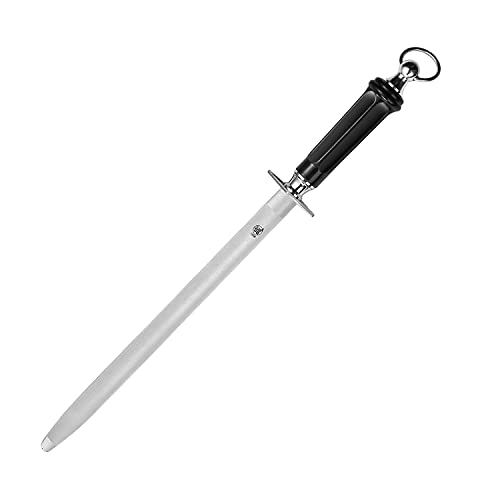
Mitsumoto Sakari 10" Japanese Honing Steel - Diamond Knife Sharpening Rod
MITSUMOTO SAKARI
Mid-Range
Mercer Ceramic Rod Knife Honing Steel, 10 Inch
Mercer Culinary
Mid-Range
Mitsumoto Sakari 12 inch Japanese Honing Steel
MITSUMOTO SAKARI
Mid-Range
20° ceramic sharpening rod with built-in angle guides
sharpeak
Budget
Presto Electric Knife Sharpener, 3-stage system
Presto
Mid-Range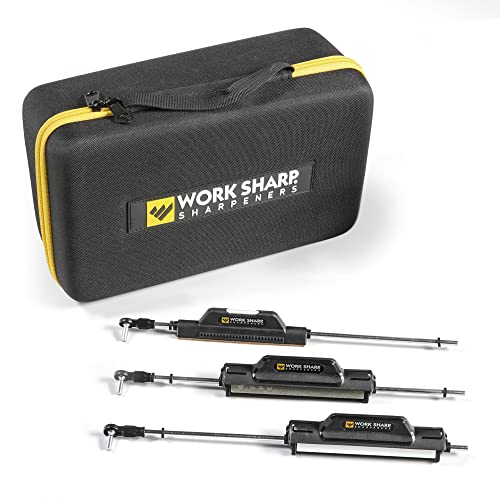
Upgrade kit for precision adjust knife sharpener with 7 abrasives
WORK SHARP
Mid-Range
Mercer Culinary German Honing Steel, 12 Inch
Mercer Culinary
Mid-Range
Wusthof 10-Inch Sharpening Steel
Wusthof
Mid-Range
Mitsumoto Sakari 10 inch Honing Steel with Diamond Surface
MITSUMOTO SAKARI
Mid-Range
Cutluxe 10-Inch honing rod with ergonomic PakkaWood handle
Cutluxe
Mid-Range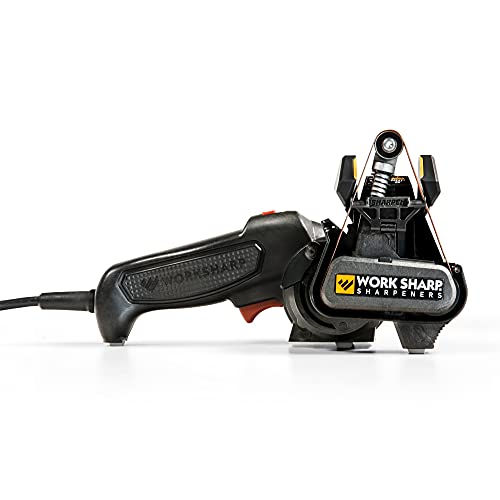
Work Sharp Mk2: adjustable knife & tool sharpener
WORK SHARP
Mid-Range
Work Sharp Electric Culinary E2 Knife Sharpener
WORK SHARP
Mid-Range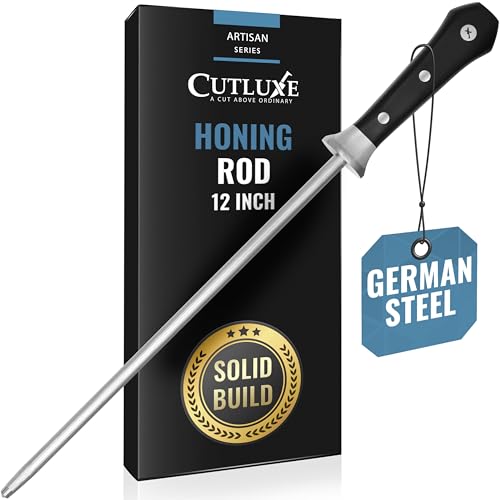
Cutluxe 12-Inch Honing Rod with Ergonomic PakkaWood Handle
Cutluxe
Mid-Range
Secura 3-stage electric knife sharpener with 100% diamond abrasives
Secura
Mid-Range
Honing steel knife sharpener 12in honing rod for kitchen knives
HIDAMOS
Budget
Professional Knife Sharpener with 3-Action Streamlined Sailboat Design
Grihot
Mid-Range
Global Global Stage 2 Sharpener-Black
Global
Mid-RangeRoundups
Frequently Asked Questions
How do I choose the right type of knife sharpener for my kitchen knives?
Match the sharpener to your knives and skill level: pull-through or electric sharpeners work well for quick, consistent edge repair on common stainless and high-carbon knives; sharpening stones or guided systems offer more control and are better for premium blades, serrated edges, or custom bevels; consider blade angle compatibility and whether you need a tool for frequent touch-ups or full re-profiling
What should I expect to pay for a reliable kitchen knife sharpener?
Sharpeners range widely; many budget manual and basic electric models are available under $50, while higher-end guided systems, premium stones, and advanced electric units commonly fall between (price varies) and several hundred dollars, with an average price across the category near (price varies)
Will an electric or manual sharpener damage my knives?
When used correctly, quality electric and manual sharpeners can restore an edge without damage, but aggressive or improper use can remove excessive metal or change the blade geometry; choose a sharpener appropriate for your blade material and follow the manufacturer's angle and stroke instructions to minimize wear
How often should I sharpen or hone my kitchen knives?
Hone ceramic or steel knives regularly—often before or after each use—to realign the edge; perform true sharpening to remove metal and restore the bevel depending on use, typically every few months for home cooks or sooner for heavy use; frequency depends on cutting frequency, cutting surfaces, and knife quality
Can I sharpen serrated knives or specialty blades with standard sharpeners?
Most pull-through and many electric sharpeners are not suitable for serrated or very thin specialty blades; serrations typically require a tapered ceramic rod or dedicated serration tool to sharpen individual scallops, while some guided systems offer attachments for specialty edges
What maintenance does a sharpener need and how long do sharpening stones or wheels last?
Simple maintenance includes keeping abrasive surfaces clean and dry and flattening water stones as needed; stone and wheel lifespan depends on frequency of use and grit—regular home use can last years, but worn or glazed surfaces should be resurfaced or replaced to maintain performance
Are there safety features I should look for in a knife sharpener?
Look for features like non-slip bases or clamps, finger guards, guided angle slots, and stable housings to reduce slippage and user error; power units should have secure cord management and easy on/off controls to minimize accident risk