Milk Frothers
This category covers electric and manual milk frothers for home coffee and latte preparation, including handheld whisks, standalone electric frothers, and frothing pitchers. It aggregates 81 products with an average rating of 4.36 and mid-range pricing (about $33–$250, avg $64), featuring brands like Maestri House
Top Products
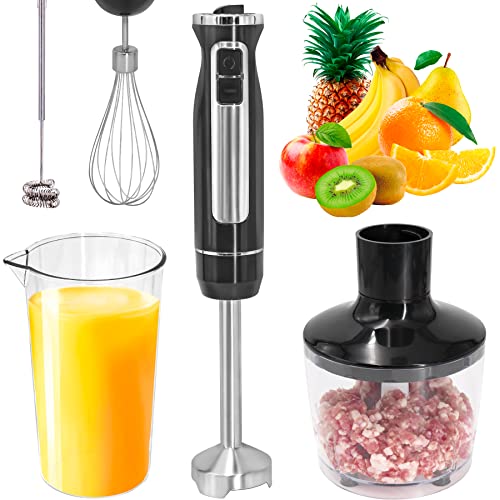
PowerLix Handheld Milk Frother with Stand (Battery Operated)
POWERLIX
Mid-Range
Rechargeable milk frother with 3 speeds and stainless whisk set
YUSWKO
Budget
Zulay Kitchen Rechargeable Milk Frother with 4 Whisks
Zulay Kitchen
Budget
Zulay Kitchen Rechargeable Milk Frother with 4 Whisks
Zulay Kitchen
Budget
Rechargeable milk frother with 4 included whisks
Zulay Kitchen
Budget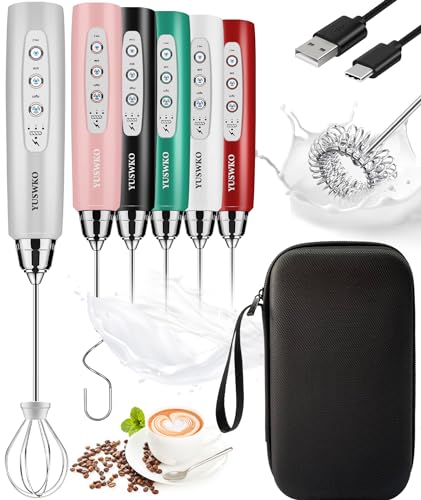
Rechargeable milk frother with 3 heads and 3 speeds
YUSWKO
Budget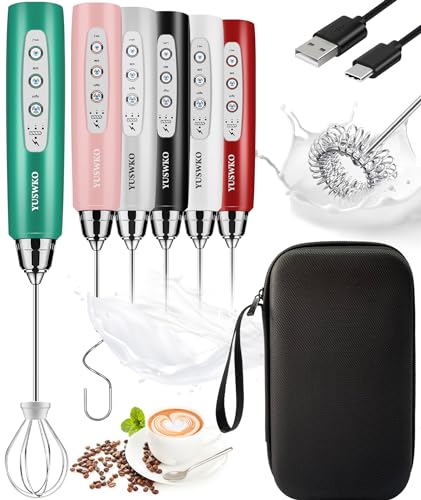
Rechargeable milk frother with 3 heads, 3 speeds (green)
YUSWKO
Budget
Maestri House LunaFro Max rechargeable milk frother
Maestri House
Budget
Maestri House Rechargeable Milk Frother with Stepless Speed Control
Maestri House
Budget
Maestri House LunaFro Max rechargeable milk frother
Maestri House
Budget
Maestri House LunaFro Max Milk Frother with Stepless Speed
Maestri House
Budget
Champagne Gold Handheld Milk Frother with Stand
YUSWKO
Budget
Rechargeable milk frother with 3 speeds and stainless whisks
YUSWKO
Budget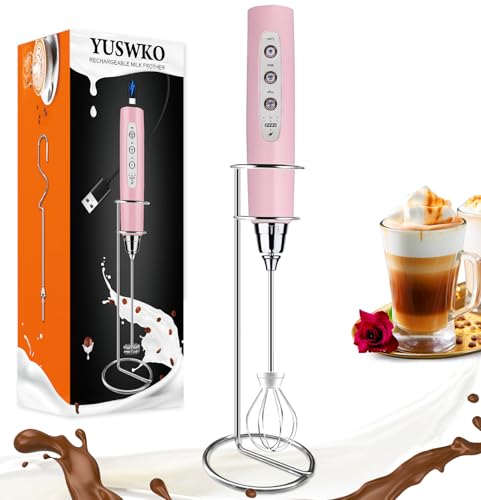
Pink Handheld Milk Frother with Stand, USB Rechargeable
YUSWKO
Budget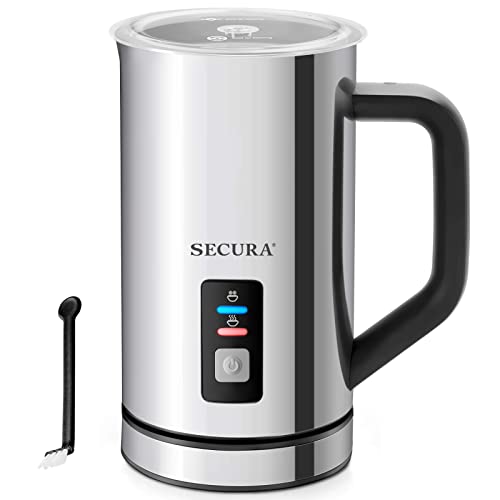
Secura electric milk frother with stainless steel body
Secura
Mid-Range
Rechargeable milk frother handheld wand with 3 speeds
YUSWKO
Budget
Maestri House LunaFro Max Rechargeable Milk Frother
Maestri House
Mid-Range
4 in 1 Electric Milk Frother by Rafow
Rafow
Mid-Range
Maestri House Rechargeable Milk Frother with Stepless Speed Control
Maestri House
Mid-Range
Rechargeable milk frother with 3 heads & 3 speeds (red)
YUSWKO
Budget
Rose Gold Handheld Milk Frother Wand with Stand
YUSWKO
Budget
SIMPLETASTE Milk Frother 4-in-1 Electric Milk Steamer
SIMPLETASTE
Mid-Range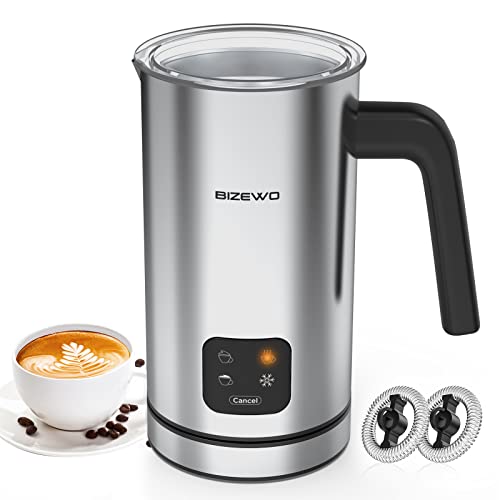
Milk frother with 4-in-1 functions and touch control
BIZEWO
Mid-Range
Secura electric milk frother with stainless steel body
Secura
Mid-RangeRoundups
Frequently Asked Questions
How do I choose between a handheld and an electric milk frother?
Handheld frothers are compact, battery-powered devices best for quick foam and small batches; electric (manual base or automatic jug) frothers heat and froth larger volumes, often offering consistent texture and multiple settings. Choose handheld for portability and low cost, electric for convenience, volume, and temperature control
What types of milk work best for frothing?
Whole milk and reduced-fat milk produce richer, more stable microfoam due to higher protein and fat; skim milk froths into more voluminous but lighter foam. Plant milks vary—barista blends (oat, soy, almond) formulated for frothing perform better than plain versions
What features should I prioritize when comparing milk frothers?
Key features include frothing method (whisk, steam, induction whisk), capacity, heating ability and temperature control, speed/settings, material (stainless steel for durability), ease of cleaning, and battery or power type. Consider which features match your routine (single cup vs family use)
How do I clean and maintain a milk frother?
Rinse removable parts immediately after use and follow manufacturer instructions for dishwasher safety; for electric jugs, wipe the interior with a soft cloth and use mild detergent for stubborn residue. Descale heating elements as recommended and avoid abrasive cleaners to preserve coatings and seals
How long do milk frothers typically last and what affects lifespan?
Lifespan varies by build quality and use but typically ranges from 1–7 years; factors affecting longevity include motor quality, frequency of use, maintenance (cleaning/descaling), and whether recommended milk types are used. Battery-operated frothers may need battery replacement over time
Are there noise differences between frother types?
Yes—handheld battery frothers and steam wands produce a noticeable high-pitched or motor sound, while automatic jugs and induction units tend to be quieter but still produce motor and heating noise. Noise level depends on motor design and build quality
What price range should I expect and where are common trade-offs?
Milk frothers commonly range from budget handheld models under $30 to electric jugs and premium automated units over $100; lower-cost options trade features like heating, capacity, and durability for price, while higher-priced units offer temperature control, larger capacity, and more consistent foam