Rolling Pins
Rolling pins for home and professional baking, including wooden, marble, and stainless designs for rolling dough, pastries, and pasta. The category averages a 4.60 rating across 24 indexed products with mid-range prices around $34–$60 and brands like Koville represented
Top Products
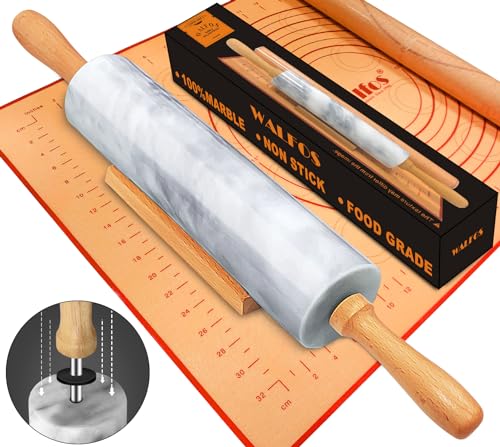
Walfos Marble Rolling Pin Set with Pastry Mat
Walfos
Mid-Range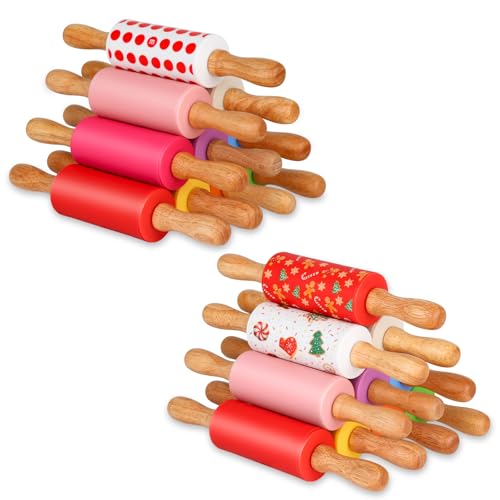
Mini Silicone Rolling Pin for Kids, 9 Inch (20 Pack) with Wood Handles
Honglida
Budget
KitchenAid maple wood rolling pin 22 inch
KitchenAid
Budget
Fox Run marble rolling pin with aluminum handles
Fox Run
Mid-Range
Bethany Housewares Wood Rolling Pin Corrugated
Bethany Housewares
Budget
Geesta Adjustable Wood Rolling Pin with 5 Thickness Rings
Geesta
Budget
Geesta adjustable wood rolling pin with rings
Geesta
Budget
Wooden Mini Rolling Pins, 7 in (Pack of 100) by Woodpeckers
Woodpeckers
Mid-Range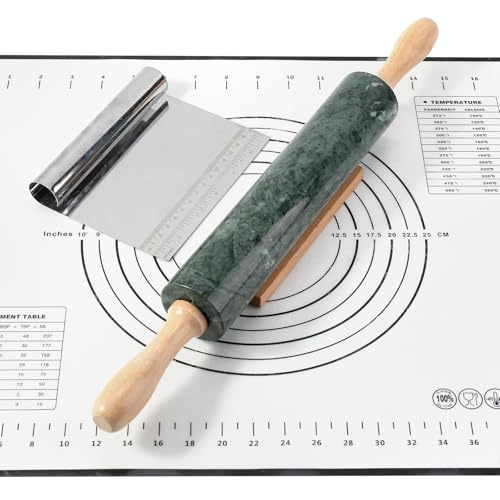
Koville Indian Marble Rolling Pin with Mat/Scraper
Koville
Budget
Koville African Marble Rolling Pin, Non-Stick Dough Roller
Koville
Budget
Rolling Pin with Thickness Rings, Mat & Stand
Mepple
Mid-Range
J.K. Adams maple rolling pin, 18-in
J.K. Adams
Budget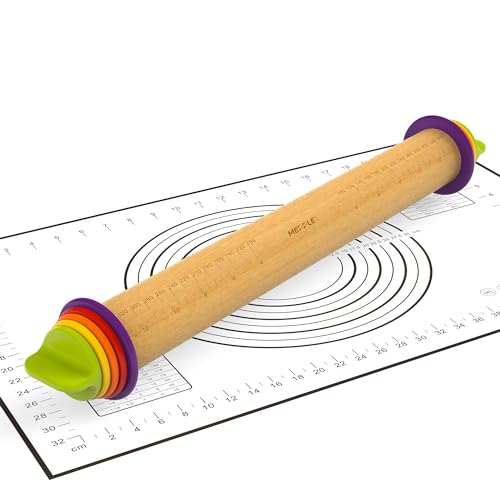
Adjustable wooden rolling pin with rings & mat
Mepple
Budget
Pasta making tools 9-pc wood set with rolling pins, rack, gnocchi board
ATPWONZ
Budget
Fixed-depth 1/4-in. Hardwood Rolling Pin by Ann Clark
Ann Clark Cookie Cutters
Mid-Range
Patelai 30-Piece Small Wooden Rolling Pins
Patelai
Budget
New Star Extra Heavy Duty Aluminum Rolling Pin, 18"
New Star Foodservice
Mid-Range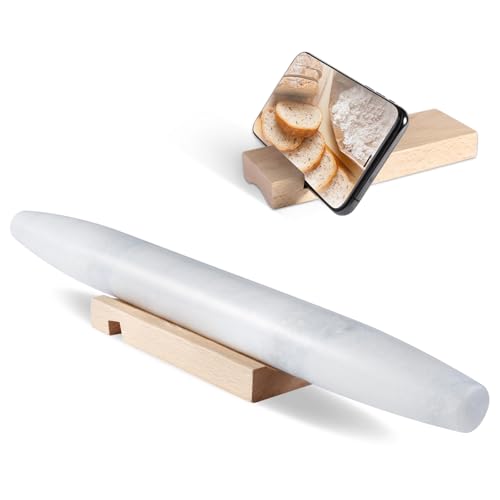
Koville African Marble French Rolling Pin, 16in
Koville
Budget
Koville African Marble French Rolling Pin, 16-inch
Koville
Budget
Extra Heavy Duty Aluminum Rolling Pin, 15-Inch
New Star Foodservice
Mid-Range
Rolling Pin with adjustable rings and pastry mat, wood stand
Aguegro
Mid-Range
SOUJOY Set of 12 Mini Rolling Pins, 8 Inch Wood Dough Roller with Red Handles
SOUJOY
Budget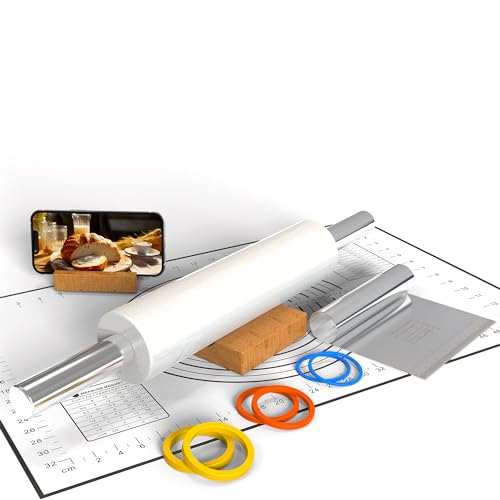
Marble Rolling Pin with 3 Thickness Rings & Wood Stand
Mepple
Mid-Range
Mackenzie-Childs Ceramic Rolling Pin with Courtly Check pattern
MACKENZIE-CHILDS
Mid-RangeRoundups
Frequently Asked Questions
How do I choose the right material for a rolling pin?
Common materials are wood (durable, traditional, and good for dry doughs), stainless steel (cool surface, easy to clean, ideal for pastry), marble (heavy, holds cool temperature for delicate doughs), and silicone-coated or nonstick options (easier release for sticky dough). Choose based on the dough types you make and your preferred weight and maintenance
What size and weight should I look for in a rolling pin?
For general home use, a 12–18 inch length is versatile; shorter pins (8–12 in) are easier for small hands or tight spaces, while longer pins provide more even rolling for large sheets. Heavier pins (marble or heavy wood) require less pressure but less control, while lighter pins (hollow wood or stainless) offer more maneuverability
Are there specific features that improve accuracy when rolling dough?
Look for thickness rings, adjustable bands, or calibrated guides to get consistent thickness, and straight, tapered, or French-style shapes depending on technique: tapered pins are better for shaping and control, while straight cylindrical pins provide uniform thickness
How should I clean and care for different types of rolling pins?
Wooden pins should be wiped clean with a damp cloth and dried immediately; avoid soaking or dishwasher use and occasionally oil with food-safe mineral oil. Stainless steel, marble, and silicone-coated pins can usually be washed with warm soapy water and dried; check for any removable parts or bearings that need separate care
Is a rolling pin with handles better than a straight (French) rolling pin?
Handle pins let you roll by pivoting the handles and can be easier for beginners, while straight French-style pins give more direct control and sensitivity to pressure for tasks like laminating pastry; choice is a matter of personal technique and comfort
What should I expect to pay for a quality rolling pin?
Home-use rolling pins commonly range from under $20 for basic models to $50–$100 for higher-end wood, stainless, or marble options; specialty or professional-grade pins can cost more. Consider material and features rather than price alone
Can I use a rolling pin for tasks other than dough rolling?
Yes; rolling pins can crush nuts or crackers (use a towel or bag), roll out fondant, or shape soft foods, but be mindful of sanitation and avoid using the same pin for raw meat or strongly flavored foods without thorough cleaning