Saute Pans
Sauté pans for home cooking: shallow, wide-bodied pans with flared sides and long handles used for searing, braising, and pan sauces. This category (about 185 products, average rating 4.53) spans budget through premium options (average price ~(price varies)) and includes brands like Our Place
Top Products

Farberware stainless steel fry pan with lid, 2.75-quart
Farberware
Mid-Range
Farberware 6 qt nonstick jumbo skillet with helper handle
Farberware
Budget
Farberware 6-Qt Nonstick Jumbo Cooker/Saute Pan
Farberware
Mid-Range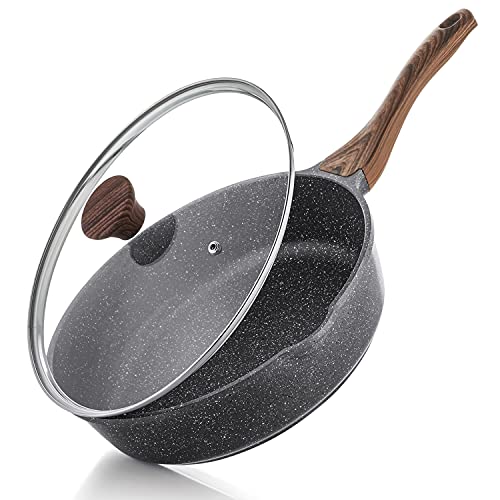
Nonstick Skillet 10-12 inch with lid, stay-cool handle
SENSARTE
Mid-Range
T-fal Refresh Ceramic Nonstick 5 Qt Frying Pan with Lid
T-Fal
Mid-Range
SENSARTE 10.5 Inch Nonstick Frying Pan with Lid
SENSARTE
Mid-Range
Farberware Classic Series Saute Pan with Lid, 6 Qt Jumbo Cooker
Farberware
Mid-Range
Vinchef Nonstick Skillet with Lid 9.5in/3Qt
Vinchef
Mid-Range
CAROTE 12.5 Inch Nonstick Deep Fry Pan with Lid
CAROTE
Mid-Range
Vinchef Nonstick Saute Pan with Lid, 12in/5.5Qt
Vinchef
Mid-Range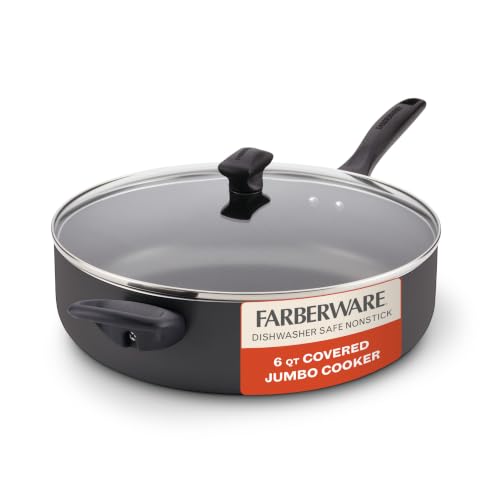
Farberware 6 Qt nonstick jumbo cooker with helper handle
Farberware
Mid-Range
CAROTE 12 Inch Nonstick Deep Frying Pan with Lid
CAROTE
Mid-Range
TIBORANG 8-in-1 Multipurpose Nonstick Pan with Lid (11in, 5QT)
TIBORANG
Budget
CAROTE 12-Inch Nonstick Deep Fry Pan with Lid, 5.5 Qt Jumbo Saute Pan
CAROTE
Mid-Range
SENSARTE 13.3 Inch Nonstick Frying Pan with Lid, 6 Qt Saute Pan
SENSARTE
Mid-Range
SENSARTE Ceramic Nonstick Frying Pan with Lid, 10.5 Inch
SENSARTE
Mid-Range
Cuisinart 12-Inch Open Skillet with Helper Handle
Cuisinart
Mid-Range
Ceramic nonstick frying pan with lid, 13.3 inch, 6 qt saute pan
SENSARTE
Mid-Range
SENSARTE Ceramic Nonstick Frying Pan with Lid, 12 Inch
SENSARTE
Mid-Range
Ceramic Nonstick Frying Pan Skillet with Lid, 13.3"
SENSARTE
Mid-Range
GreenPan Rio Ceramic Nonstick 5QT Saute Pan with Lid
GreenPan
Mid-Range
DELARLO 12-inch Tri-Ply Stainless Frying Pan with Lid
DELARLO
Mid-Range
Tri-Ply Stainless Steel Frying Pan, 10 inch, with lid
DELARLO
Mid-Range
DELARLO Tri-Ply Stainless Steel 10 Inch Deep Frying Pan with Lid
DELARLO
Mid-RangeRoundups
Frequently Asked Questions
How do I choose the right sauté pan size and capacity?
Choose based on typical batch sizes: 8–10 inch pans (about 1.5–3 qt) suit 1–2 people, 11–12 inch pans (3–5 qt) suit families or batch cooking; deeper sides and a wider flat bottom increase capacity and reduce splatter for sauces and braises
What materials should I look for and how do they affect cooking?
Common materials are stainless steel (durable, non-reactive, good searing), hard-anodized aluminum (fast, even heating and lighter), and copper-core or clad constructions (best heat responsiveness); nonstick coatings make low-fat cooking and cleanup easier but require gentler utensils and heat limits
Do I need a heavy bottom or multi-clad construction for even heat?
Yes — heavier bottoms or multi-clad (layered) construction distribute heat more evenly and reduce hot spots; look for pans with a full-clad base or thicker aluminum/copper core for consistent browning and simmering
Are sauté pans oven-safe and up to what temperature?
Many sauté pans are oven-safe, but oven temperature limits depend on material and handle construction; stainless and hard-anodized pans with metal handles commonly tolerate 400–500°F, while pans with plastic or silicone handles usually have lower limits—check manufacturer specifications for exact temperatures
How should I clean and maintain different types of sauté pans?
Hand-wash nonstick pans with mild detergent and soft sponges and avoid high heat; stainless and clad pans tolerate scrubbing, deglazing, and occasional oven cleaning; avoid metal utensils on nonstick surfaces and follow manufacturer care to preserve finish and performance
What features improve usability—lid, helper handle, pour lip, or measurement markings?
A tight-fitting lid helps with braising and simmering, a helper handle improves control for larger pans, a pour lip prevents drips while transferring liquids, and internal measurement markings aid portioning—prioritize features that match your cooking style
How should I balance budget versus long-term value when buying a sauté pan?
Lower-cost pans can be good for occasional use, but mid- to higher-priced clad or well-built nonstick pans often last longer and perform better; consider construction, warranty, and frequency of use—average category prices center around the mid-range for many shoppers