Serving Boards
Serving Boards in Kitchen & Dining covers wooden, slate, and bamboo platters designed for presenting cheeses, charcuterie, and appetizers. This category includes 36 indexed products, averages a 4.71 rating, and ranges roughly $33–$84, with brands like SMIRLY represented
Top Products
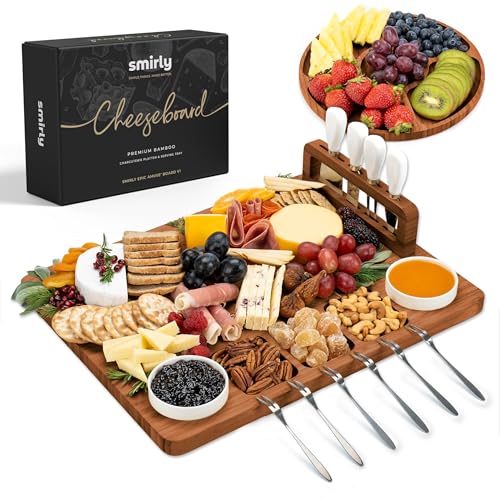
SMIRLY Charcuterie Board Set - Large Bamboo Serving Board
SMIRLY
Mid-Range
Charcuterie Board & Serving Tray – Bamboo Cheese Board Set
Bambusi
Budget
SMIRLY Charcuterie Boards Set with Accessories
SMIRLY
Mid-Range
Charcuterie board gift set with bamboo board and knife
Bambusi
Mid-Range
Personalized Charcuterie Board Gift Set - Engraved Bamboo Board & Meat Platter
Bambusi
Mid-Range
Smirly Large Acacia Charcuterie Board Set
SMIRLY
Mid-Range
Acacia wood cutting board with handle
Home Beets
Budget
Acacia wooden serving board with handle
BIRDROCK HOME
Budget
Acacia wood cutting board with handle - large 17x13
Home Beets
Mid-Range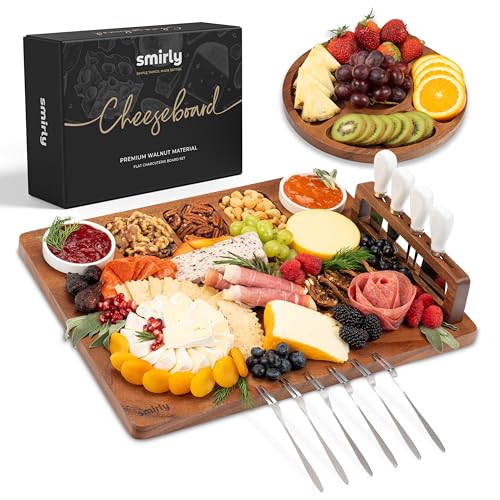
Charcuterie boards set with walnut tray and accessories
SMIRLY
Mid-Range
Acacia wooden serving board with handle
BIRDROCK HOME
Mid-Range
PICNIC TIME Artisan 24" Acacia Charcuterie Board with Raw Wood Edge
PICNIC TIME
Mid-Range
30" Large Acacia Charcuterie Board with Handles
Tidita
Mid-Range
Grad Wooden Charcuterie Boards 4PCS with Photo Frame
MRPAPA
Budget
Charcuterie Board with Lid - 2-in-1 Travel Portable Serving Tray
Trayful
Budget
Housewarming 19-Pc Gift Set - Bamboo Board & Accessories (Brown, Nature)
RimCereal
Budget
Housewarming Gifts 19-Piece Serving Set for New Homes
RimCereal
Mid-Range
Grad fillable charcuterie boards 4pcs white serving tray 12 inch
MRPAPA
Budget
Loftern 16-Inch Bamboo Pizza Peel with Engraved Size Guides
Loftern
Mid-Range
Baby letter boxes for decorations (12-inch, fillable)
VLN DESIGNS
Budget
Charcuterie Board Set - 10 piece gift-ready wooden serving set
Grazerie
Mid-Range
Charcuterie Board Set with Bamboo Cheese Platter and Accessories
Cavrro
Mid-Range
Charcuterie Board Set with Accessories
Grazerie
Mid-Range
2 Pcs Slate Cheese Boards for Meat & Charcuterie
WLWNWFT
BudgetRoundups
Frequently Asked Questions
How do I choose the right material for a serving board?
Choose based on use: hardwoods like maple, walnut, and bamboo resist knife marks and are food-safe for charcuterie; softwoods may scar more easily. Glass and slate suit cold serving and are easy to clean but can be slippery; marble stays cool for cheeses but is heavy and can chip
What size and shape should I pick for serving boards?
Select size by typical group size and food type: small boards (up to ~12 inches) for individual or appetizer portions, medium (12–18 inches) for small gatherings, and large boards (18 inches+) for parties or large spreads; rectangular and oval shapes maximize layout space, while round boards work well for compact platters
How much should I expect to pay for a quality serving board?
Prices vary by material, size, and brand; budget options are commonly under $50, mid-range boards often fall between $50 and $150, and premium or large handcrafted boards can exceed that. Average price in this category is around the mid-(price varies)s
What are the best cleaning and care practices to extend a serving board's life?
Hand-wash wooden boards with mild soap and warm water, dry upright, and periodically treat with food-grade mineral oil or board conditioner; avoid soaking or putting wooden boards in the dishwasher. For stone, glass, or slate, follow manufacturer guidance—many are dishwasher-safe but may need special cleaners to maintain surface appearance
Are serving boards safe for cutting, and will they damage my knives?
Wood and bamboo are generally knife-friendly and help preserve edge life; very hard surfaces like glass, stone, or ceramic can dull or chip knife edges. Use appropriate boards for frequent cutting and reserve hard surfaces for presentation when possible
Do serving boards require a food-safe finish and how can I tell?
Boards intended for food contact should use food-safe finishes such as mineral oil, beeswax blends, or USDA-approved food-safe oils; product descriptions or care labels typically indicate if a board is pre-treated and which finish is used
What features should I look for if I want multi-use serving and cutting functionality?
Look for reversible boards (presentation side and cutting side), groove or juice channels for meats and fruits, integrated handles or hanging holes for storage, and a thickness that resists warping while remaining stable during cutting