Single Auger Masticating Juicers
Single-auger masticating juicers are slow-press juicers designed for high-yield, nutrient-preserving extraction from fruits, vegetables, and leafy greens. This kitchen & dining category includes 102 indexed products with an average rating of 4.41 and price tiers from budget to premium (avg $174); notable brands include ECOSELF
Top Products

AMZCHEF Cold Press Juicer with 3.2" wide chute
AMZCHEF
Mid-Range
Slow Cold Press Juicer Machine by AAOBOSI
AAOBOSI
Mid-Range
ACOQOOS Juicer Machines, 300W Masticating with 5.3" Feed Chute
ACOQOOS
Mid-Range
Cold Press Juicer with 5.4" Wide Feed Chute – Slow Masticating, Quiet, Easy to Clean
AAOBOSI
Premium
ACOQOOS Juicer with wide 5.3in chute, 1.8L capacity
ACOQOOS
Premium
Brecious Slow Masticating Juicer (Black) with 2 speeds
BRECIOUS
Mid-Range
Slow Masticating Juicer with 2 speeds and quiet motor
BRECIOUS
Mid-Range
Brecious Slow Masticating Juicer, 2 speeds, quiet motor
BRECIOUS
Mid-Range
AMZCHEF Cold Press Juicer with 5.4in feed chute
AMZCHEF
Premium
AMZCHEF Cold Press Juicer, Slow Masticating Juicer with 4.6" Feed Chute
AMZCHEF
Premium
Whuto Cold Press Juicer with 4.35" feed chute
Whuto
Premium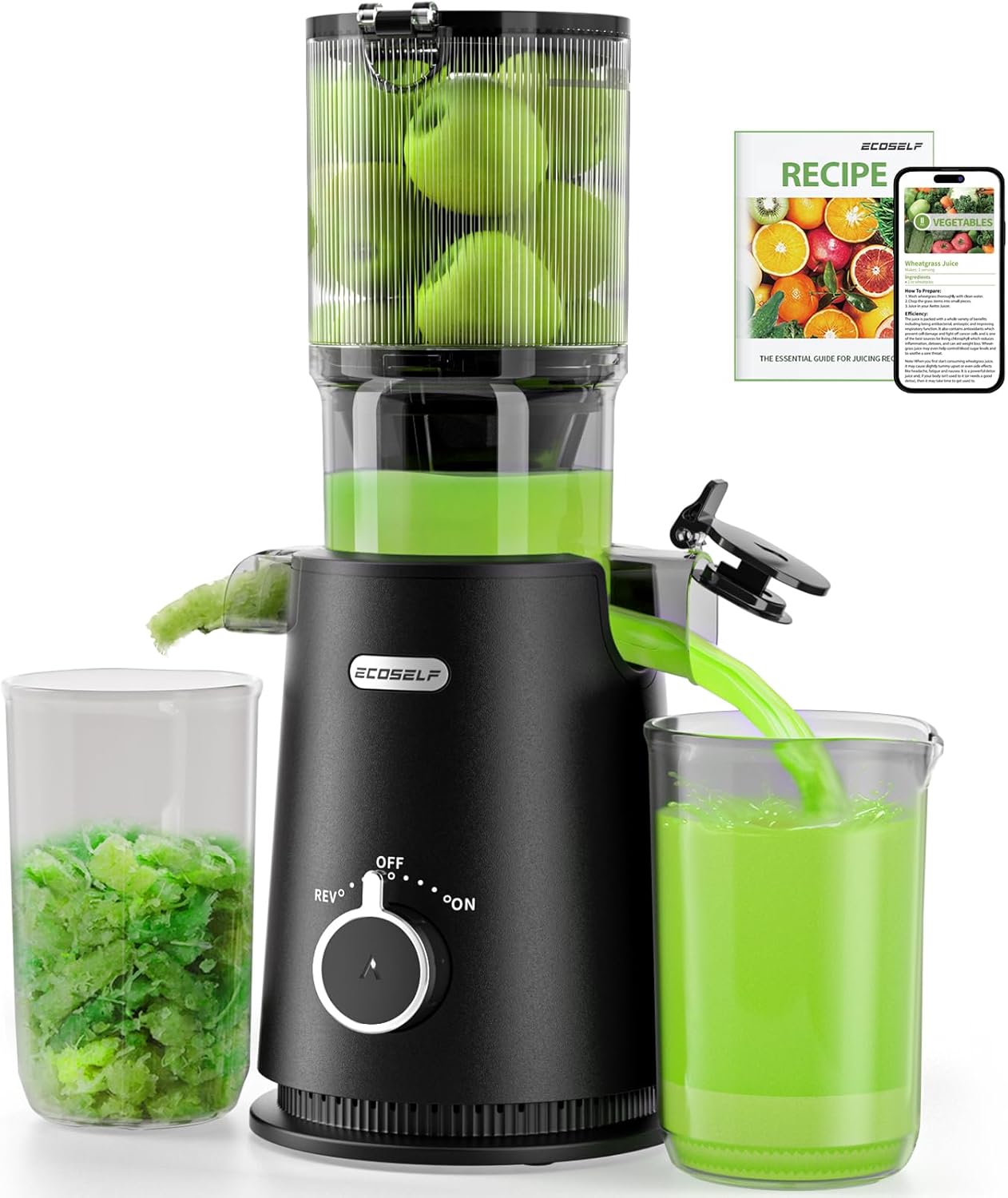
Cold Press Juicer with wide mouth hopper, slow masticating centrifuge
ECOSELF
Premium
Cold Press Juicer with Large Feed Chute
ECOSELF
Premium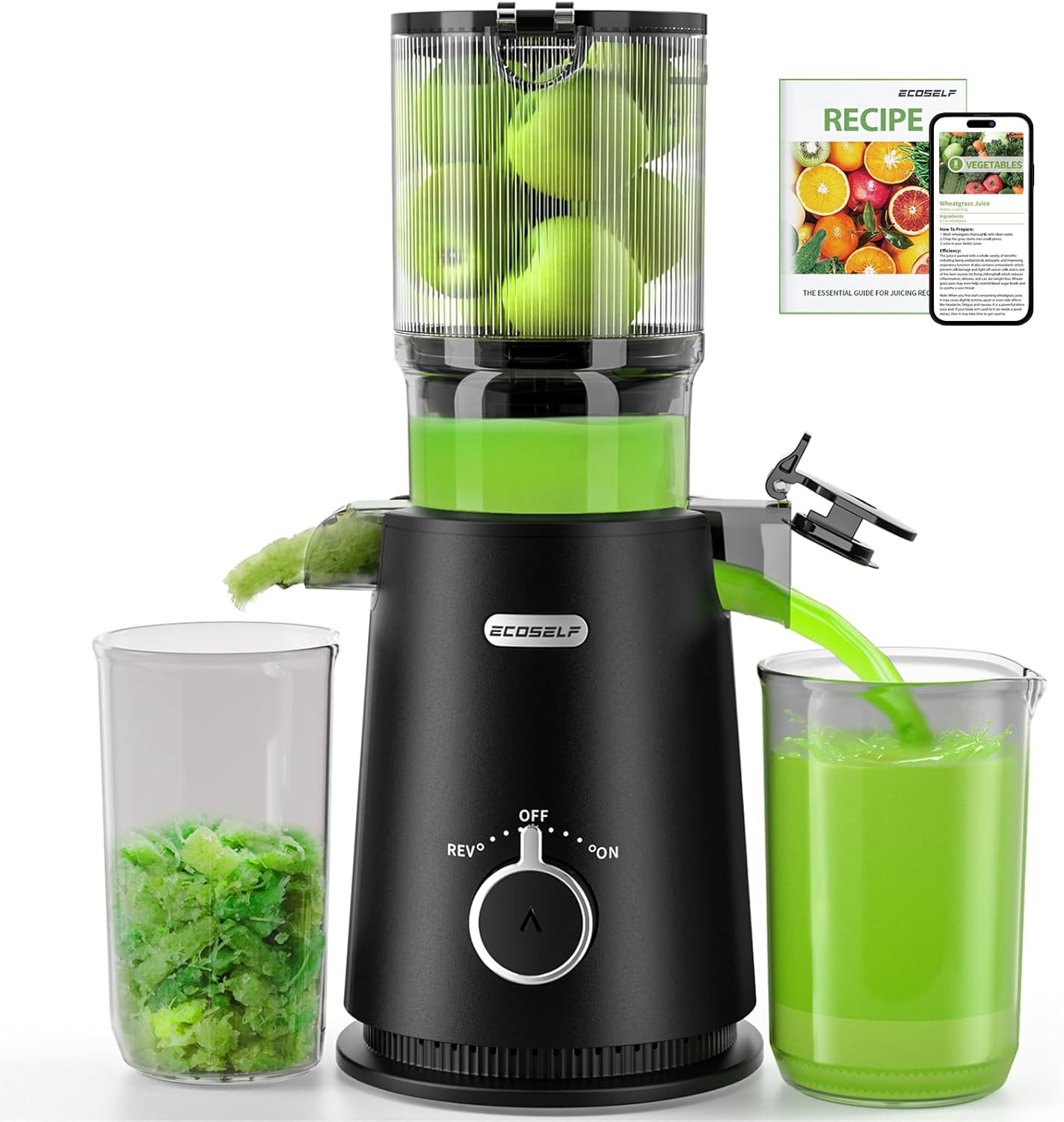
Cold press juicer with wide mouth & large feed chute
ECOSELF
Premium
Aeitto Classic Horizontal Cold Press Juicer
Aeitto
Premium
Aeitto Slow Masticating Juicer with Wide Dual Feed Chute
Aeitto
Premium
SiFENE Cold Press Juicer Machine, Compact Single Serve Slow Juicer
SIFENE
Mid-Range
AMZCHEF Cold Press Juicer with Wide feed chute
AMZCHEF
Mid-Range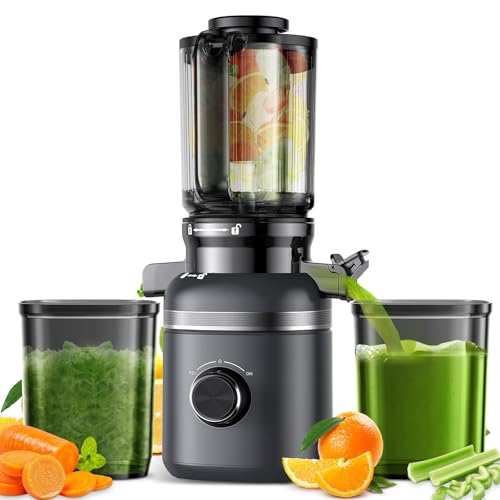
GlowWise Cold Press Masticating Juicer
GlowWise
Premium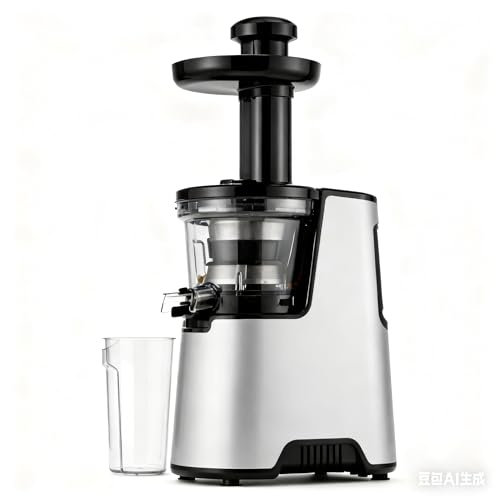
Cold Press Juicer with 5.8" feed chute, 400W, masticating
EanOruus
Premium
Cold Press Juicer with 5.4" wide feed chute
LQZ
Premium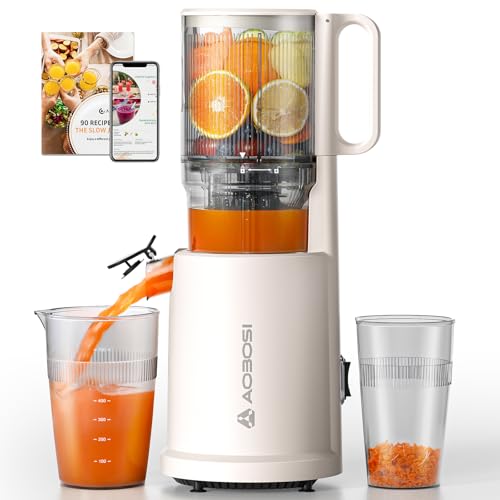
Slow cold press juicer machine with extra large feed chute
AAOBOSI
Premium
Slow Masticating Cold Press Juicer
Aorda
Mid-Range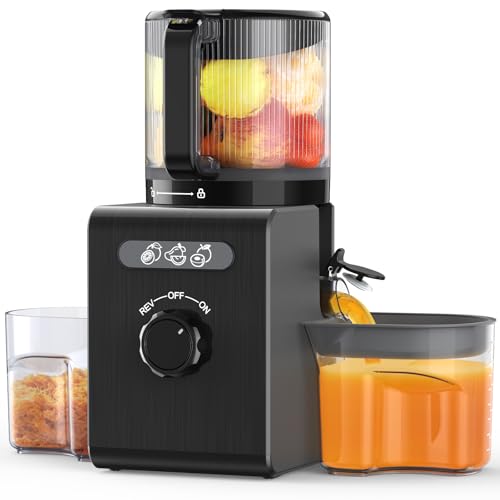
SmallHoo Cold Press Juicer with 6.5in auto-feed chute
SMALLHOO
PremiumRoundups
- Best Single Auger Masticating Juicers Under $50 (2026)
- Best Single Auger Masticating Juicers for Celery Juice (2026)
- Best Single Auger Masticating Juicers for Whole-Fruit Juicing (2026)
- Best Single Auger Masticating Juicers Under $200 (2026)
- Best Single Auger Masticating Juicers Under $100 (2026)
- Best Single Auger Masticating Juicers (2026 Guide)
Frequently Asked Questions
What is a single auger masticating juicer and how does it differ from a centrifugal juicer?
A single auger masticating juicer uses a slow-turning screw to crush and press produce, extracting juice by cold-pressing; centrifugal juicers use a high-speed blade to spin produce against a mesh. Masticating models typically yield more juice from leafy greens and produce less foam and heat, while centrifugal units are faster and usually cheaper
What should I look for when choosing a single auger masticating juicer?
Prioritize auger material and build quality, motor power and RPM (lower RPMs preserve enzymes), ease of assembly and cleaning, chute size for prep time, and included accessories like screens or pulp-ejection options. Also check warranty length and customer reviews for durability and noise levels
Are single auger masticating juicers good for leafy greens, wheatgrass, and soft fruits?
Yes; masticating juicers excel at extracting juice from leafy greens, wheatgrass, and soft fruits because the slow auger efficiently breaks down fibrous material and yields higher juice extraction with drier pulp compared with most centrifugal machines
How much do single auger masticating juicers typically cost?
Prices vary by brand and features; entry-level models can be found in lower price bands while mid-range and higher-end units cost more, with category averages often in the low-to-mid hundreds of dollars. Consider stronger motors and better build quality as drivers of higher prices
How difficult are they to clean and maintain?
Many single auger juicers have a small number of removable parts that can be rinsed or soaked; cleaning time depends on design and pulp buildup. Look for models with dishwasher-safe components or simple disassembly, and perform routine cleaning after each use to prevent residue buildup
What capacity and pulp management options should I consider for daily use or entertaining?
Consider hopper/chute size, continuous-feed capability, and whether the unit has an external pulp ejection port or a container; larger chutes and continuous ejection are better for frequent use or larger batches, while smaller, countertop-friendly models suit occasional juicing
Are there noise and motor durability differences to be aware of?
Masticating juicers generally run quieter than centrifugal models due to lower RPMs, but noise varies by motor design and housing. Check motor power ratings, duty-cycle recommendations, and warranty terms to gauge expected durability for regular or heavy use