Square & Rectangular Cake Pans
Square and rectangular cake pans for home baking and professional use, including nonstick and aluminized steel options for sheet, layer, and multi-tier cakes. The category spans budget through mid-range prices (avg $63) with 55 products and top brands like Caraway and Fat Daddio's represented
Top Products

Rachael Ray Cucina Nonstick Baking Pan with Lid, 9x13
Rachael Ray
Budget
Fat Daddio's 10x4 square cake pan
Fat Daddio's
Budget
Fat Daddio's Anodized Aluminum Square Cake Pan, 12 x 3 in
Fat Daddio's
Budget
Herogo baking pan with lid, 9 x 12 in, stainless steel nonstick deep pan
Herogo
Budget
Caraway nonstick small rectangle baking pan, sage
Caraway
Budget
Caraway nonstick small rectangle baking pan
Caraway
Budget
Caraway Nonstick Small Rectangle Baking Pan
Caraway
Budget
Caraway 9x6.5 In Nonstick Rectangular Baking Pan
Caraway
Budget
CasaWare Rose Gold Granite Rectangular Cake Pan with Lid
casaWare
Budget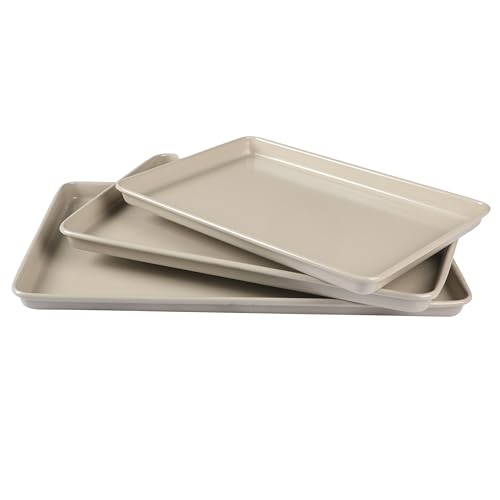
Martha Stewart 3-Piece Cookie Sheet Set (13/15/17) in Taupe
Martha Stewart
Budget
Caraway 9 x 6.5 in Small Rectangle Baking Pan
Caraway
Budget
Disposable 10x10x3 inch square aluminum bake pans (pack of 25)
PLASTICPRO
Budget
Martha Stewart Gallen 3-Piece Cookie Sheet Set (13", 15", 17")
Martha Stewart
Budget
Caraway 9" square non-stick pan
Caraway
Mid-Range
Caraway 9 x 6.5 in Nonstick Ceramic Baking Pan, White
Caraway
Mid-Range
LIANYU 8 Pack 8x8 Inch Stainless Steel Square Baking Pans
LIANYU
Mid-Range
Caraway Square Pan - Non-Stick Ceramic Coating, 9"
Caraway
Mid-Range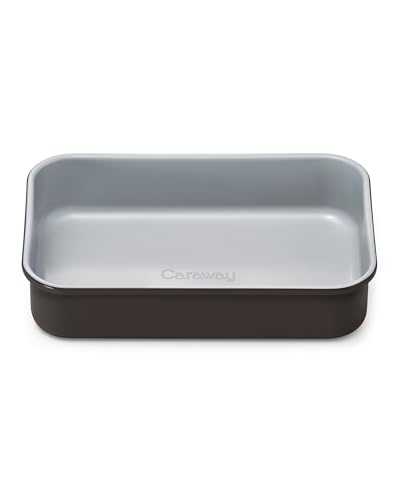
Caraway Nonstick 9 x 6.5 Small Rectangle Baking Pan
Caraway
Mid-Range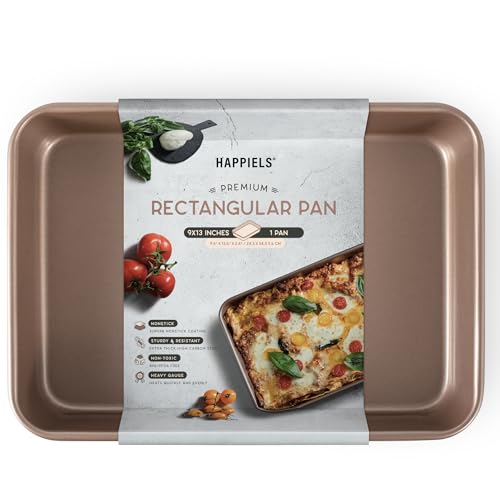
9x13 nonstick baking pan - rectangular brownie pan
HAPPIELS
Mid-Range
Caraway Square Pan - Non-Stick Ceramic, 9-inch
Caraway
Mid-Range
Caraway Square Pan - Non-Stick Ceramic Coating, 9-inch
Caraway
Mid-Range
Anodized Aluminum 3-Tiered Odd Sheet Cake Pan Set, 3 Inch Deep
Fat Daddio's
Mid-Range
Lindy's Stainless Steel Covered Cake Pan with Lid, 9 x 13 in
Lindy's
Mid-Range
Caraway Nonstick 9x6.5 Small Rectangular Baking Pan Duo
Caraway
Mid-RangeRoundups
- Best Square & Rectangular Cake Pans for Casseroles (2026)
- Best Square & Rectangular Cake Pans for Lasagna (2026)
- Best Square & Rectangular Cake Pans for Roasting Vegetables (2026)
- Best Square & Rectangular Cake Pans for Baking Casseroles (2026)
- Best Square & Rectangular Cake Pans Under $200 (2026)
- Best Square & Rectangular Cake Pans Under $100 (2026)
- Best Square & Rectangular Cake Pans Under $50 (2026)
- Best Square & Rectangular Cake Pans (2026 Guide)
Frequently Asked Questions
What size and shape should I choose for square or rectangular cake pans?
Choose based on the recipe yield and serving count: common square sizes are 8–10 inches for layer cakes and brownies, while rectangular (sheet) pans like 9x13 inches or half-sheet pans serve larger batches. Consider pan depth (1–3 inches) for batter volume and whether you need straight sides for cutting or sloped sides for easier release
Which materials are best for even baking and durability?
Aluminum and aluminized steel conduct heat well and provide even baking; light-colored nonstick coatings reduce overbrowning, while dark or glass pans brown faster. Heavy-gauge metals resist warping; ceramic and glass hold heat longer but may require temperature adjustments and longer bake times
Do nonstick coatings or removable-base designs affect performance or care?
Nonstick coatings make release and cleaning easier but can wear over time and often require silicone or wooden utensils to avoid scratching. Removable-base or springform-style square pans simplify removal of delicate cakes but may be less rigid; check seam and latch quality to prevent leaks with thin batters
How should I clean and store square and rectangular cake pans to extend their life?
Hand-wash pans with warm soapy water unless labeled dishwasher-safe, avoid abrasive scrubbers on nonstick surfaces, and dry thoroughly to prevent rust on bare metal. Stack with protective layers (paper towels or pan protectors) to prevent scratches and store in a cool, dry place
What should I look for when buying on a budget versus investing in higher-end pans?
Budget pans under $50 can perform well for occasional baking but may be thinner and warp more easily; higher-priced pans tend to use thicker metals, more durable nonstick coatings, or ceramic finishes for long-term consistency. Match investment to how often you bake and the importance of uniform results
Are there common adjustments needed when switching pan sizes or materials in a recipe?
Yes: when changing pan size, adjust bake time and monitor doneness (larger surface area usually bakes faster); when switching materials, reduce bake time for dark pans and increase it slightly for glass or ceramic. Use visual cues and a toothpick or thermometer to confirm doneness
How do I determine if a pan is oven- and temperature-safe?
Check manufacturer specifications for maximum oven temperature and whether handles or coatings limit use; bare metal pans typically tolerate high baking temperatures, while some nonstick or coated pans list lower maximums (commonly 450°F or less). If specs are unavailable, avoid exposing coated pans to broiling or temperatures above 500°F