Water Coolers
This category covers countertop and freestanding water coolers and dispensers for home kitchens and dining areas, including cold, hot-and-cold, and bottleless plumbed models. Sixteen products are indexed with an average rating of 4.28 and prices ranging roughly $125–$376, featuring brands such as Manastin among others
Top Products
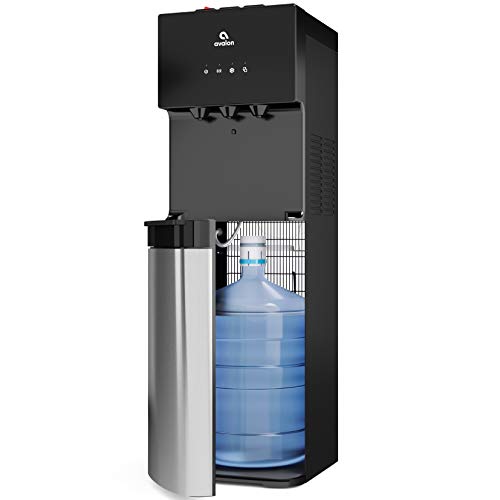
Avalon Bottom Loading Water Cooler with BioGuard
Avalon
Premium
Bottom Loading Water Cooler Dispenser for 5 Gallon Bottles, Stainless Steel, 3 Temp Settings
Manastin
Premium
Euhomy Top Loading Hot & Cold Water Dispenser
EUHOMY
Premium
Bottom Loading Water Cooler Dispenser, 3 Temp Settings
Manastin
Premium
Igloo top-loading water cooler for hot & cold
Igloo
Premium
Brio Bottom Loading Water Cooler Dispenser with 3 temps
Brio
Premium
Igloo hot & cold top-loading water cooler, black & stainless
Igloo
Premium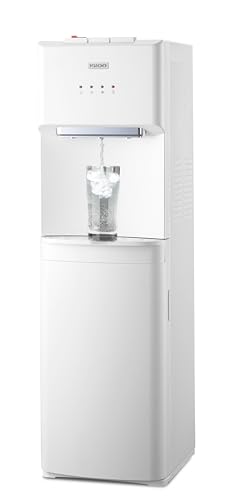
Igloo bottom-loading water dispenser, hot/cold/room temp
Igloo
Premium
Igloo bottom-loading water cooler dispenser with hot, cold & room temp
Igloo
Premium
Igloo bottom-loading water dispenser, hot/cold/room temp, black
IGLOO
Premium
Bottom Loading Water Cooler Dispenser for 3/5 Gallon Bottles
Manastin
Premium
Manastin Bottom Loading Water Cooler Dispenser, 3 Temp (Hot, Cold, Room) - Glossy Black
Manastin
Premium
Manastin Bottom-Loading Water Dispenser (3-5 gal) 3 Temp
Manastin
Premium
EUHOMY 3-Temperature Bottom Load Water Cooler Dispenser, 5 Gal
EUHOMY
Premium
Water Dispenser with Ice Maker - Top Loading Hot/Cold Cooler (5 gal)
Electactic
Premium
Bottom-loading 3-5 gal Water Cooler Dispenser, 3 temp
Manastin
PremiumRoundups
Frequently Asked Questions
How do I choose the right type of water cooler for my kitchen?
Decide between countertop, freestanding, and point-of-use models based on available space and plumbing: countertop and freestanding use bottled or gravity feed and require minimal plumbing, while point-of-use connects to a water line for continuous supply. Also consider cooling capacity (bottles per day or liters per hour), temperature settings, and whether you need hot water or a hot-and-cold dispenser
What features should I look for related to water quality and filtration?
Look for models with built-in replaceable filters certified for chlorine, taste, and odor reduction, and check whether the unit supports additional filtration media (e.g., carbon filters, reverse osmosis prefilters). For bottled units, verify bottle sanitation features like drip-free spouts or sealed-bottle adapters
How much should I expect to spend on a kitchen water cooler?
Kitchen water coolers typically range from budget countertop models under $100 to higher-end freestanding or plumbed units in the several hundreds; the category average is around $200. Plan additional budget for replacement filters and, if using bottled systems, recurring bottle costs
How do I maintain and clean a water cooler?
Follow the manufacturer’s schedule for sanitizing the reservoir and replacing filters; common practice is cleaning every 3–6 months and changing filters per their rated lifespan. For bottled units, clean the drip tray and bottle connection point regularly to prevent mold and bacterial buildup
Are water coolers energy-efficient and what affects running costs?
Energy use varies by model and features such as continuous hot-water tanks, compressor vs. thermoelectric cooling, and standby modes; units with insulated tanks and energy-saving modes use less power. Running costs include electricity and periodic filter or bottle replacements, with plumbed units often having lower ongoing per-liter costs than bottled options
What size or capacity should I get for my household or office?
Estimate daily consumption (typical single household 2–4 people might use 1–3 gallons/day) and select a cooler with a reservoir or cooling capacity that meets that demand; larger households or busy offices benefit from higher chilled-water throughput or larger bottle capacity. For point-of-use systems, focus on liters-per-hour chilling rate rather than bottle size
What safety features should I look for, especially with hot water dispensing?
Check for child safety locks on hot taps, thermostatic temperature control to prevent scalding, and automatic shutoff features. Ensure electrical safety certifications and that any hot-water tank has appropriate insulation and over-temperature protection