Wine Making Barrels
Wine Making Barrels in Kitchen & Dining covers small oak and hardwood barrels used for fermenting and aging homemade wines and spirits, with mid-range pricing (about $55–$200; avg ~(price varies)). Popular makers include Thousand Oaks Barrel and related brand variants; average rating across 11 products is 4.24
Top Products
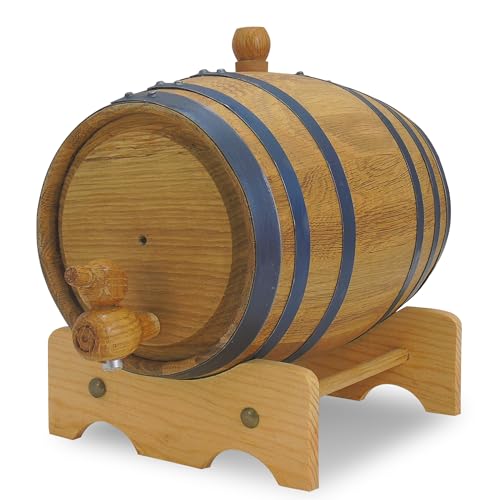
Red Head Barrels Premium Oak Aging Barrels, 1 L
Red Head Barrels
Mid-Range
Personalized 2L Oak Aging Barrel with Stand & Spigot
THOUSAND OAKS BARREL
Mid-Range
Personalized 3L Oak Aging Barrel with Stand and Spigot
Thousand Oaks Barrel Co.
Mid-Range
3 Liter Oak Aging Barrel with Stand and Spigot
Thousand Oaks Barrel
Mid-Range
2L Oak Aging Barrel with Stand, Bung & Spigot
THOUSAND OAKS BARREL
Mid-Range
1 L Oak Aging Barrel with Stand, Bung & Spigot
THOUSAND OAKS BARREL
Mid-Range
Personalized 1 Gallon Oak Aging Barrel with Wood Stand
Thousand Oaks Barrel Co.
Premium
1 Gallon Oak Aging Barrel with Stand and Spigot
Thousand Oaks Barrel
Premium
Personalized 10 L Oak Aging Barrel with Stand
Thousand Oaks Barrel Co.
Premium
10 L Oak Aging Barrel with Stand and Spigot
THOUSAND OAKS BARREL
Premium
5 gallon oak aging barrel with stand, bung and spigot
THOUSAND OAKS BARREL
PremiumRoundups
Frequently Asked Questions
What size barrel should I choose for home wine making?
Choose based on batch volume and aging goals: 1–5 liter barrels suit tasting and small batches, 10–30 liter for hobby batches, and 50–225 liter barrels match standard home vintner or cellar-scale production. Smaller barrels impart oak character faster due to higher surface-area-to-volume ratio
What are the common wood types and how do they affect wine flavor?
American oak typically gives sweeter, vanilla and coconut notes and stronger tannins; French oak tends to produce subtler, spice and toast characteristics; other woods (e.g., chestnut) are less common and impart different tannic and aromatic profiles. Toast level (light, medium, heavy) also significantly alters flavor and mouthfeel
How do I decide between new and used barrels?
New barrels add more oak flavor, tannin and aromatic compounds, while used barrels offer more subtle oak influence and can be a lower-cost option for aging without overpowering fruit. Consider how much oak character you want and budget constraints when choosing
What should I check for when inspecting a barrel before purchase?
Inspect for tight staves and hoops, no visible cracks or large gaps, a clean interior free of mold or off-odors, and hardware (bung and spigot) that seals properly. Ensure the barrel holds water briefly to test for leaks if possible
How do I care for and store a wine making barrel?
Keep barrels filled with wine or water to prevent drying and leaks, store upright in a cool, humid environment away from direct sunlight, sanitize between uses with appropriate sulfite solutions or hot water, and check hoops and staves regularly for tightness and cleanliness
What are typical price ranges and factors that affect barrel cost?
Barrel prices vary by size, wood type, and whether they are new or used; small tasting barrels can be under $100, hobby 10–30 liter barrels commonly range higher, and full-size barrels (100+ liters) are generally more expensive. Factors affecting cost include oak origin, toast level, cooperage quality, and added hardware
Can I use a wine barrel for other liquids or purposes?
Yes — barrels are often used to age spirits, cider, beer, or for decorative and food service purposes, but residual flavors and sanitation needs differ; thoroughly clean and, if necessary, recondition or re-toast the barrel depending on the new application