Counterfeit Bill Detectors
Counterfeit bill detectors for office and retail use, including UV, magnetic, and multi-feature desktop and portable units. The category spans budget through premium models (17 products indexed) with an average rating of 4.41 and average price about (price varies); top brands include Dri Mark
Top Products

Dri Mark counterfeit bill detector marker pen (30 pack)
Dri Mark
Budget
Dri Mark Dual Test - Counterfeit Detector Pen with UV Cap
Dri Mark
Mid-Range
K410 Counterfeit Bill Detector with LED UV Light
KHIPPUS
Mid-Range
K440 Ultraviolet Counterfeit Bill Detector with Magnetic Ink Sensor
KHIPPUS
Mid-Range
Dri Mark counterfeit bill detector with 3 tests
Dri Mark
Mid-Range
Dri Mark Flash Test 2 Pack Counterfeit Detector
Dri Mark
Mid-Range
Aneken UV counterfeit money detector with biometrics-free watermark cues
Aneken
Mid-Range
Dri Mark counterfeit bill detector marker pen (500 pack)
Dri Mark
Premium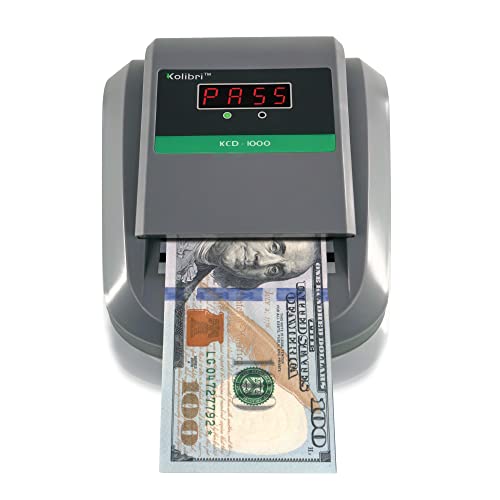
Kolibri KCD-1000 4-Way Currency Detector
Kolibri
Mid-Range
Dri Mark counterfeit bill detector marker pen
Dri Mark
Premium
K630 Counterfeit Bill Detector for US Dollars
KHIPPUS
Mid-Range
Cassida InstaCheck small footprint counterfeit detector
Cassida
Premium
AccuBANKER D450 5-Point Counterfeit Bill Detector
Accubanker USA
Premium
Aneken AL-139 Counterfeit Bill Detector with 2.8" Digital Screen
Aneken
Mid-Range
Cassida Quattro currency detector with multi-sensor
Cassida
Premium
KHIPPUS K605 Counterfeit Bill Detector
KHIPPUS
Mid-Range
AccuBANKER D450 5-Point Counterfeit Detector (Pack of 3)
Accubanker USA
PremiumRoundups
- Best Counterfeit Bill Detectors for Small Business Cash Handling (2026)
- Best Counterfeit Bill Detectors for Retail Cash Handling (2026)
- Best Counterfeit Bill Detectors Under $200 (2026)
- Best Counterfeit Bill Detectors Under $100 (2026)
- Best Counterfeit Bill Detectors Under $50 (2026)
- Best Counterfeit Bill Detectors (2026 Guide)
Frequently Asked Questions
How do I choose the right counterfeit bill detector for an office?
Choose based on the volume of cash you handle, detection technologies needed (UV, magnetic, infrared, watermark, and MG/MT detection), form factor (handheld, countertop, or portable), and integration needs like batch counting or counterfeit alarms
What detection technologies should I look for and what do they detect?
UV detects security threads and inks, magnetic sensors detect magnetic inks and security features, infrared checks paper and print patterns, watermark detection verifies embedded images, and MG/MT sensors analyze magnetic and magnetic thread properties; models combining multiple methods offer broader coverage
How much should I expect to spend on a reliable detector for small-business use?
Prices vary by features: basic UV/magnetic handhelds and simple countertop units are generally in lower price tiers (often under a few hundred dollars), while multisensor machines and high-speed counters with counterfeit detection fall into higher ranges; the category average price is mid-three figures
Are compact or handheld detectors as reliable as countertop models?
Handheld and compact detectors can reliably spot many common counterfeit indicators when used correctly, but full-size countertop or multi-sensor machines typically offer faster processing, more detection methods, and are better for higher volumes
What maintenance and calibration do counterfeit bill detectors require?
Regular cleaning of sensors and lamps, replacing or servicing UV/LED bulbs as recommended, keeping devices dust-free, and periodic verification with known test notes will maintain accuracy; follow manufacturer instructions for calibration intervals
Can these detectors handle different currencies and denominations?
Many detectors are designed for multiple currencies and detect generic security features, but effectiveness can vary by currency and model; check product specifications for supported currencies or the ability to detect features common across banknotes
How can I verify a detector is working correctly after purchase?
Test the device using a variety of genuine notes and counterfeit test samples if available, use verification cards or reference notes provided by manufacturers, and compare results across different detection modes (UV, magnetic, IR) to ensure consistent responses