Aquarium Filters
Aquarium Filters includes internal, hang-on-back, canister, and sponge filters for freshwater and saltwater tanks, with models for different tank sizes and flow needs. The category covers 123 indexed products averaging a 4.25 rating and price range roughly $33–$499 (avg ~(price varies)), with brands like TARARIUM and Aqueon represented
Top Products

Tetra Whisper Internal Filter 20-40 Gallons for Aquariums
Tetra
Mid-Range
Marineland Penguin Bio-Wheel Power Filter, Multi-Stage Filtration
MarineLand
Mid-Range
Internal Green Water Killer Aquarium Filter Tank U-V Pump
COODIA
Budget
Aqueon QuietFlow LED PRO Aquarium Power Filter 20
Aqueon
Mid-Range
Cascade 600 Submersible Internal Filter for Aquariums
Penn-Plax
Budget
COOSPIDER Submersible Fish Tank Filter 132gph 10-40 gal
COOSPIDER
Mid-Range
MyfatBOSS 30PCS #3 Aquarium Filter Cartridges for EZ-Change #3
MyfatBOSS
Mid-Range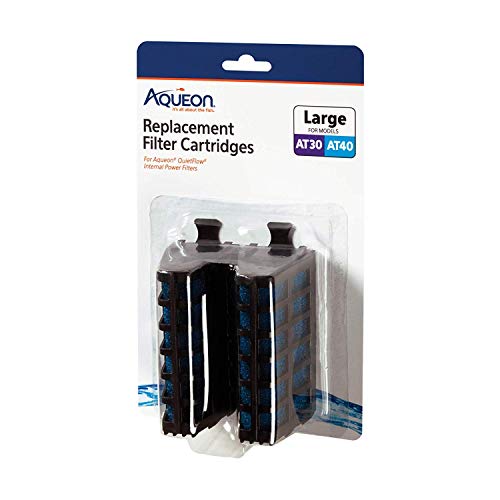
Aqueon 6 Count Replacement Internal Filter Cartridges (Large) for QuietFlow AT30/AT40
Aqueon
Mid-Range
Aqueon QuietFlow 50 LED PRO Filter for up to 50 gal aquariums
Aqueon
Mid-Range
Cascade 100 Power Hang-On Filter for 20G tanks
Penn-Plax
Budget
Atlantis Aqua Submersible Aquarium Filter for Larger Tanks
Atlantis Aqua
Mid-Range
Aquatic Life 3-Stage RO Buddie for Aquarium 50 GPD
Aquatic Life
Mid-Range
158 GPH Small Aquarium Filter with UV Sterilizer
coospider-repta
Budget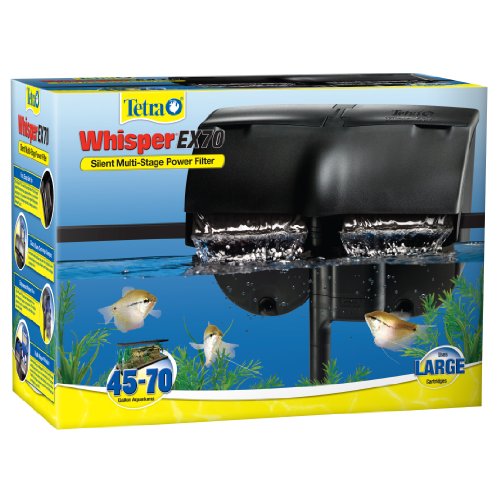
Tetra Whisper EX 70 Filter for 45-70 gal aquariums
Tetra
Mid-Range
Turtle Tank Filter Aquarium Filter 20-75 Gal 290GPH Internal 3-Stage
TARARIUM
Mid-Range
JIHAQUA Aquarium Bio Ceramic Rings 18 lbs Filter Media
JIHAQUA
Mid-Range
Aquarium Canister Filter for 75-200 gal with UV
COOSPIDER
Mid-Range
Aquarium Filter for 10-45 Gallon Tank with UV Light
COOSPIDER
Mid-Range
Aqueon EcoRenew Filter Cartridge, Medium 9 Pack
Aqueon
Budget
Pond Pump 660GPH Filtration for Aquarium
TARARIUM
Mid-Range
Core 400S replacement filter (2-pack) for Levoit Core 400S
Cabiclean
Mid-Range
COOSPIDER Aquarium Filter 200GPH U-V Light System
COOSPIDER
Mid-Range
Fluval 50 Power Filter for 20-50 gal tanks
Fluval
Mid-Range
Internal Aquarium Filter 660GPH Submersible Pump for Large Tanks
Aulofee
Mid-RangeRoundups
Frequently Asked Questions
How do I choose the right type and size of aquarium filter for my tank?
Match filter flow rate to tank volume (look for turnover of 4–10 times per hour), choose a filter type suited to your setup (hang-on-back for small-to-medium tanks, canister for larger tanks or heavy bio-loads, sponge for breeding/reef-safe needs), and check manufacturer specs for tank size compatibility and flow control
What are the main filtration types and what does each remove?
Mechanical filtration traps debris and particulates, biological filtration cultivates beneficial bacteria that break down ammonia and nitrite, and chemical filtration (activated carbon, resin) removes dissolved organics, odors, and some toxins; many filters combine two or three of these methods
How much should I expect to spend on an aquarium filter?
Prices vary by type and capacity: budget options are commonly available under $50, mid-range canisters and HOB units often range from about $50–$150, and high-capacity or specialized units cost more; average prices across similar assortments tend to be in the mid-range
How often should filter media be cleaned or replaced?
Rinse mechanical media (sponges, floss) in tank water during partial water changes every 2–4 weeks to avoid killing beneficial bacteria; replace chemical media (activated carbon, resins) typically every 3–6 weeks or as recommended, and replace biological media only when damaged, not routinely
Are noisy filters normal and how can I reduce noise?
Some operating noise is normal, but rattling, gurgling, or whining can indicate air trapped in the system, improper installation, worn impellers, or vibration; reduce noise by securing loose parts, ensuring proper water levels, priming canisters/HOBs, cleaning the impeller, and placing the unit on vibration-dampening pads
Can a single filter handle both freshwater and saltwater aquariums?
Many filter types (canister, HOB, sponge) can be used in both freshwater and saltwater systems, but media selection and corrosion-resistant materials matter for saltwater; choose components rated for marine use and use media appropriate to marine chemistry