Aquarium Gravel
Aquarium gravel includes decorative and functional substrates for freshwater and saltwater tanks, available in natural, colored, and planted-tank grades. The category spans budget to mid-range options (average price ~(price varies)) across brands like Ultum Nature Systems and others, with an average rating of 4.51 from 44 indexed products
Top Products

Seachem Flourite Black Clay Gravel - Planted Aquarium Substrate
Seachem
Budget
Fluval Plant & Shrimp Substratum for Freshwater Tanks
Fluval
Mid-Range
Pea Gravel Pebbles for Plants and Landscaping
FANTIAN
Mid-Range
Natural River Rocks for Plants & Aquariums, 20lb
YISZM
Mid-Range
20lbs Fish Tank Sand, 1/16 inch Aquarium Gravel
FANTIAN
Mid-Range
20lbs natural fish tank gravel, 1/4 inch pea gravel mix
FANTIAN
Mid-Range
Natural River Rocks Aquarium Gravel 20lb
YISZM
Mid-Range
Controsoil freshwater aqua soil substrate for planted tanks
Ultum Nature Systems
Budget
20lb Aquarium Gravel 4-8mm pea gravel for fish tank
SHIZWU
Mid-Range
Jet Black Aquarium Gravel - 25 lbs, non-toxic, colorfast substrate
Pure Water Pebbles
Mid-Range
River stones and pebbles for aquarium and garden decor
Riavserq
Budget
Natural River Rocks 20lb 3-4in Pebbles for Garden and Aquarium
YISZM
Mid-Range
River stones and pebbles for gardening, aquariums, and decor
Riavserq
Mid-Range
20lbs river rocks 1-2" pebbles for garden & aquarium
YISZM
Mid-Range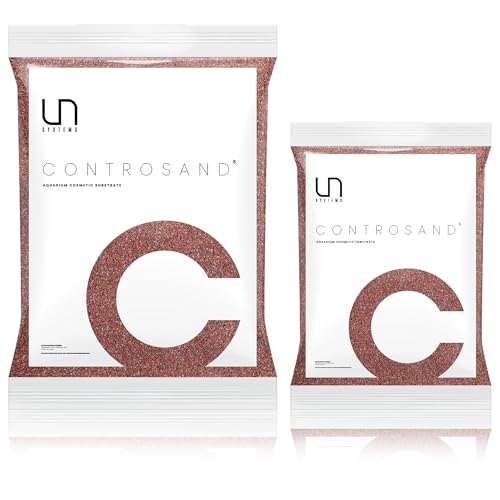
Ultum Nature Systems Controsand Morocco Gravel (3L) – Small Aquarium Pebbles
Ultum Nature Systems
Budget
2-3 inch river rock pebbles for garden and aquarium
YISZM
Mid-Range
Controsoil Planted Aquarium Substrate – 10L, black
Ultum Nature Systems
Mid-Range
18lb Jade Bean Pebbles for succulents, terrariums & decor
Anothera
Mid-Range
Ultum Nature Systems Controsoil Freshwater Substrate
Ultum Nature Systems
Budget
Avalution Aquarium Gravel for Plants - 18lb decorative river rocks
Avalution
Mid-Range
45lb natural river stones for plants, succulents, aquarium
CJGQ
Mid-Range
CJGQ Aquarium Gravel for Plants – Natural River Rocks Pebbles
CJGQ
Mid-Range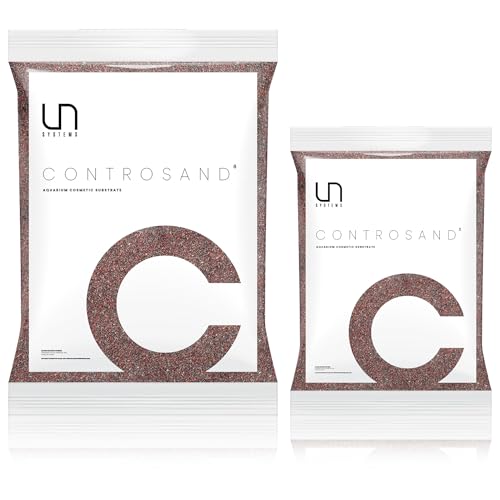
Ultum Nature Systems Controsand Pacifica Gravel (3L) – Small Aquarium Pebbles
Ultum Nature Systems
Budget
White decorative rocks for plants and aquariums
CJGQ
Mid-RangeRoundups
Frequently Asked Questions
How do I choose the right type and grain size of aquarium gravel?
Choose based on tank inhabitants and plants: finer gravel (1–3 mm) suits small fish and planted tanks because roots can anchor; medium to coarse gravel (3–8 mm) works for larger fish and better water flow. Avoid sharp-edged gravel for bottom-dwelling species and consider color for aesthetic and light reflection rather than fish health
What should I consider regarding substrate material and chemistry?
Common materials include natural river rock, silica-based gravel, and specialized mineralized substrates; inert silica gravel is pH-neutral while certain crushed coral, aragonite, or mineral-rich substrates can raise and buffer pH and hardness. Match substrate chemistry to the needs of your fish and plants and test water parameters after adding new substrate
How much gravel do I need for my aquarium?
For most tanks aim for a depth of 1–2 inches (2.5–5 cm) for fish-only setups and 2–3 inches (5–8 cm) for planted tanks to allow root growth; calculate volume by tank footprint (length × width × desired depth) and convert to liters or kilograms using product density if provided
How do I prepare new aquarium gravel before adding it to the tank?
Rinse new gravel thoroughly in a bucket or with running water until the runoff is mostly clear to remove dust and fines; do not use soap or bleach. For mineral-rich substrates that affect water chemistry, rinse according to manufacturer instructions or cycle the tank and monitor parameters before adding livestock
How do I clean and maintain gravel without disturbing beneficial bacteria?
Use a siphon gravel vacuum during partial water changes to remove debris from the top layer while leaving some detritus and bacteria intact; avoid full deep cleaning or boiling substrate, which will destroy nitrifying colonies. Spot-cleaning and regular partial water changes preserve biological filtration
Can I mix different substrate types or colors in the same tank?
Yes, mixing can create layered nutrient zones for plants (e.g., nutrient-rich base covered by inert gravel) or aesthetic contrasts, but ensure the top layer is compatible with your livestock and that fine particles won’t migrate upward to cloud the water. Secure lighter substrates under heavier ones to prevent floating
What budget considerations should I have when buying aquarium gravel?
Prices vary by material, grain size, and brand; expect budget options under $50 and specialty or nutrient-rich substrates at higher prices. Balance cost with longevity and desired properties (inert vs. buffering) and buy enough to achieve the recommended depth to avoid buying more later